Το ChatGPT είπε:
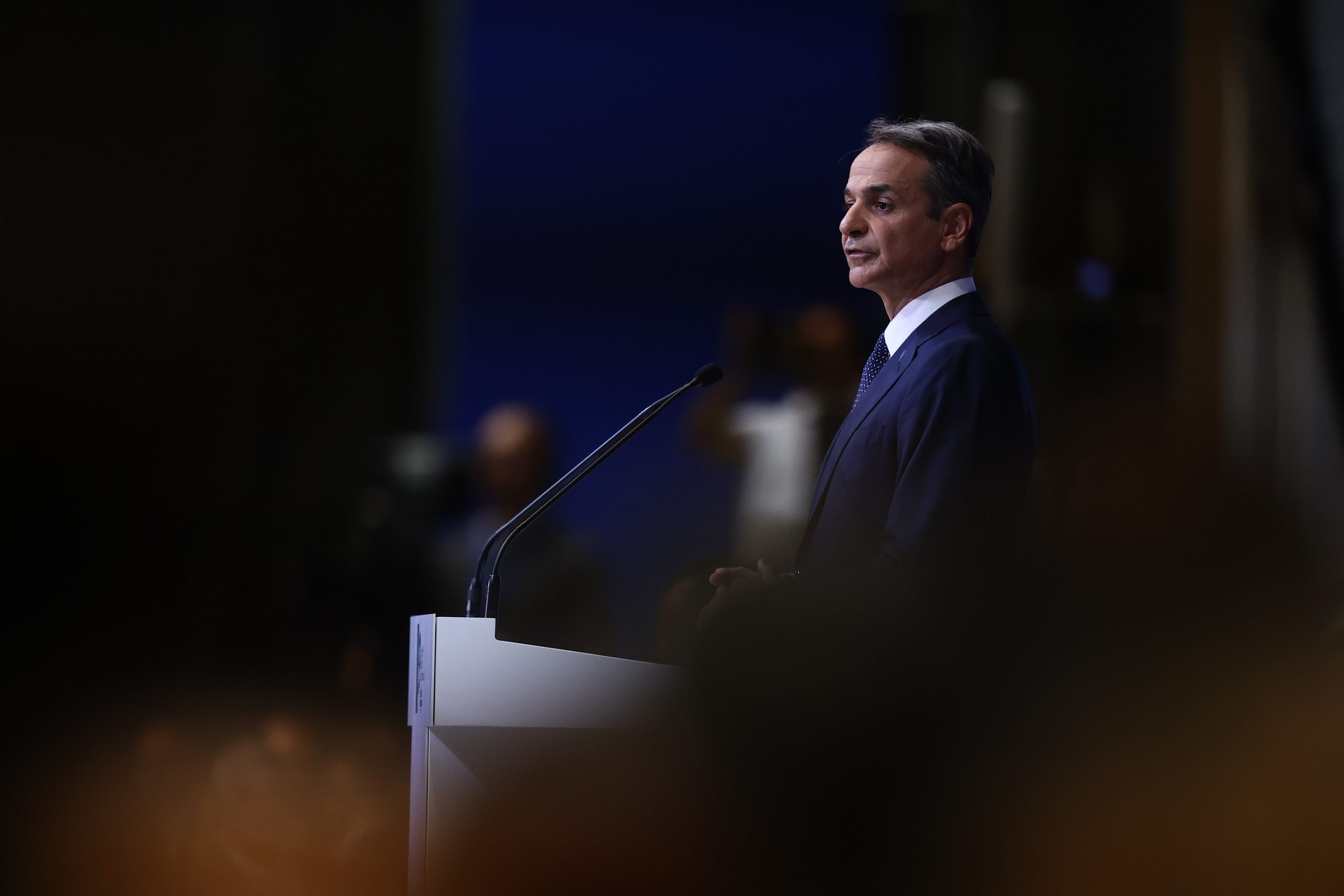
The changes to income tax were the most significant of the measures announced by Prime Minister Kyriakos Mitsotakis on Saturday from the podium of the 89th Thessaloniki International Fair [1], [2], [3], [4].
The government’s goal is to increase disposable income and strengthen households’ purchasing power, while also attempting to address the demographic challenge.
The measures, totaling €1.6 billion, are expected to benefit around 4 million taxpayers and include, among others:
- Reduction of tax rates by 2 percentage points for incomes between €10,000 and €40,000, with further reductions for families with children.
- Introduction of an intermediate tax rate of 39% for incomes from €40,000 to €60,000, down from today’s 44%.
- New rental income taxation: 25% for incomes between €12,000 and €24,000 and 15% for incomes below €12,000.
- 50% reduction of ENFIA in 2026 and full abolition in 2027 in villages with up to 1,500 residents.
- 30% VAT reduction in border islands with fewer than 20,000 residents.
- Zero tax for young people up to 25 years old with incomes up to €20,000, and reduced tax rates until the age of 30.
- Reduction of the “personal difference” for pensioners, with full abolition by 2027.
- Pay increases for uniformed officers and diplomats under the new salary scale.
- Reduction of imputed living expenses for residents of small settlements and special reliefs for new mothers.
According to the government’s announcements, the “winners” are considered to be families with children, young people up to 30, wage earners and pensioners with middle incomes, and high-income taxpayers. The “losers” are low-wage workers, low-income pensioners, and the self-employed.


 What is fyi.news?