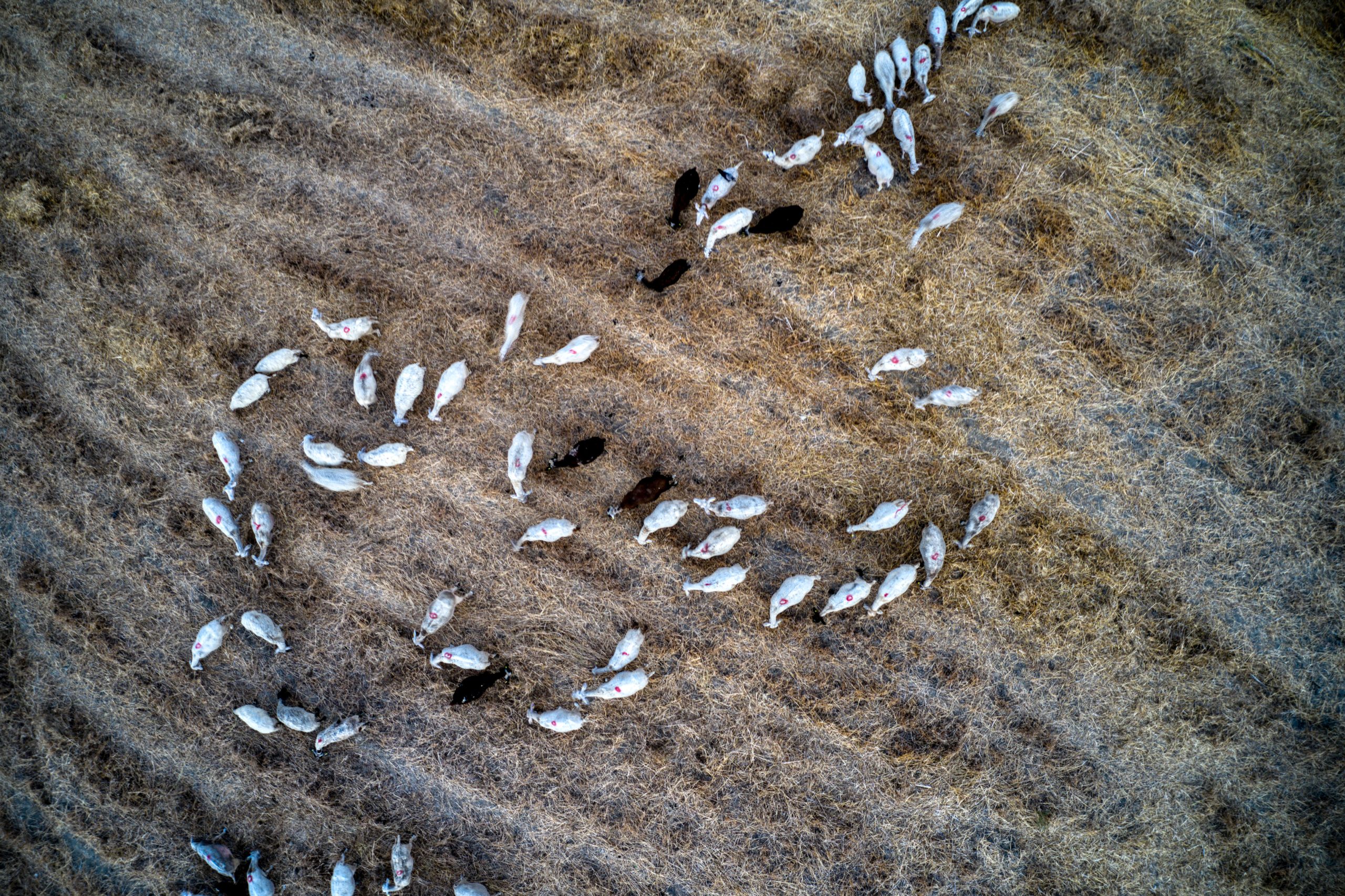
Cyprus is on heightened alert due to cases of foot-and-mouth disease, a highly contagious illness that affects animals such as cattle, sheep, goats and pigs. The first confirmed case was detected on February 20 at a cattle farm in Livadia (Larnaca). A three-kilometre protection zone was immediately established, the movement of animals and animal products without a permit was banned, and the culling of approximately 300 animals was decided, along with the confiscation of milk and meat. The culling has continued and is expected to reach 13,000 animals.
Authorities stated that the epicentre is Oroklini, at two large sheep and goat farms, and that the virus may have been circulating for around two weeks before it was confirmed. Since the day before yesterday, a nationwide ban has been imposed on the movement of animals and animal feed without approval. In Aradippou, the mayor said that 25–30 livestock units were affected, which is why nearly all access points to livestock zones were closed, effectively leaving a single controlled entry.
Farmers warn of reduced halloumi production but stress that there is no risk to humans.
Since yesterday, a coordination mechanism involving multiple services has been set up and a police investigation has begun into how the virus was transmitted, with the main scenario pointing to the spread through contaminated animal feed (there is also the possibility that it originated from the occupied areas). Senior Veterinary Services officer Sotiria Georgiadi said that Cyprus lost its “disease-free” status on February 21 and that three European Commission experts are arriving today, along with an additional 500,000 vaccine doses.
At the same time, livestock farmers warn that if a large share of the animal population is lost, halloumi production and exports will be seriously affected. However, they emphasize that there is no danger to humans and that products such as pasteurized milk and halloumi are safe.
Sources: Philenews [1], [2], [3], [4], [5], CyprusMail [1], [2], [3], Gov.cy


 What is fyi.news?