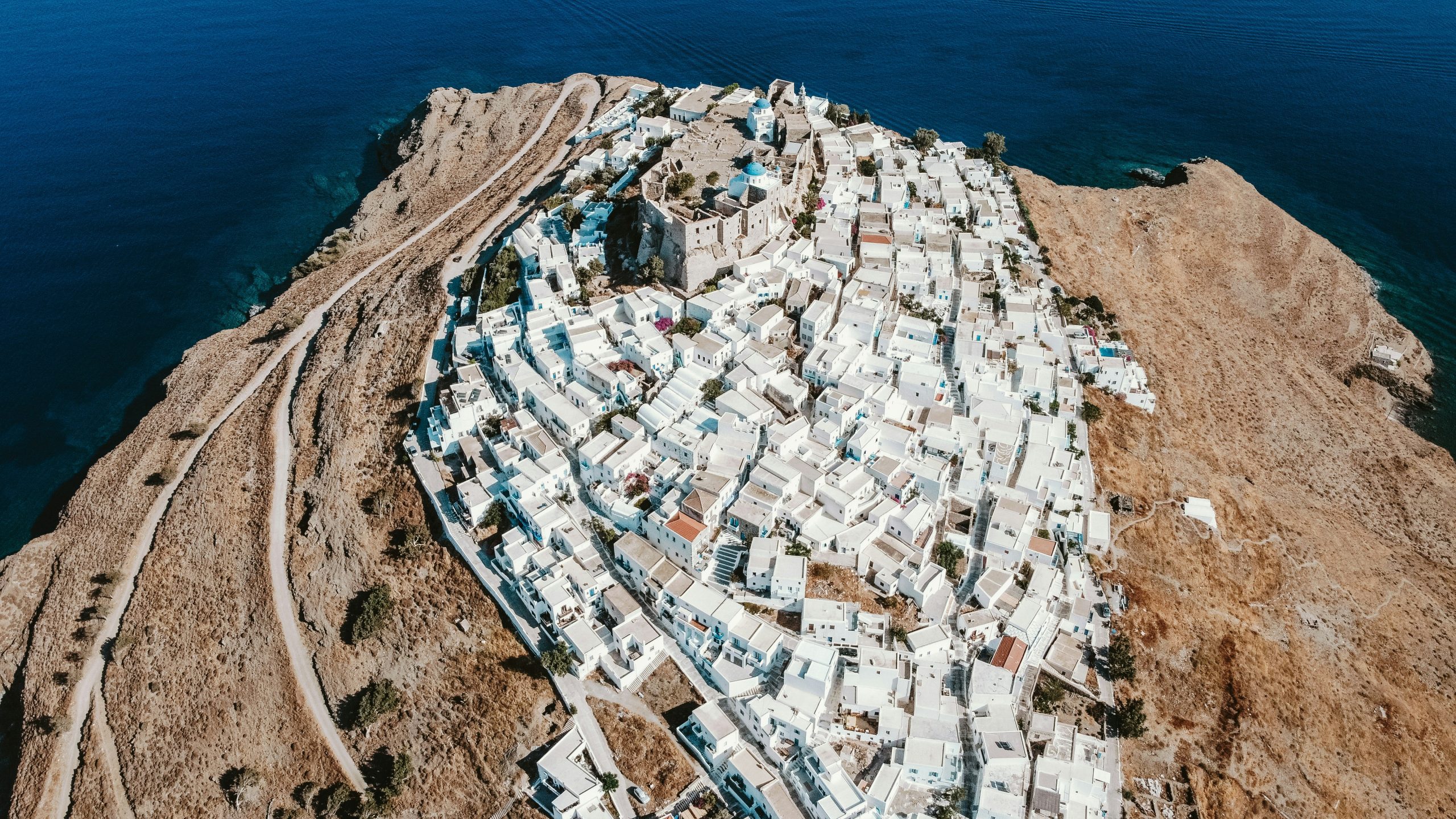
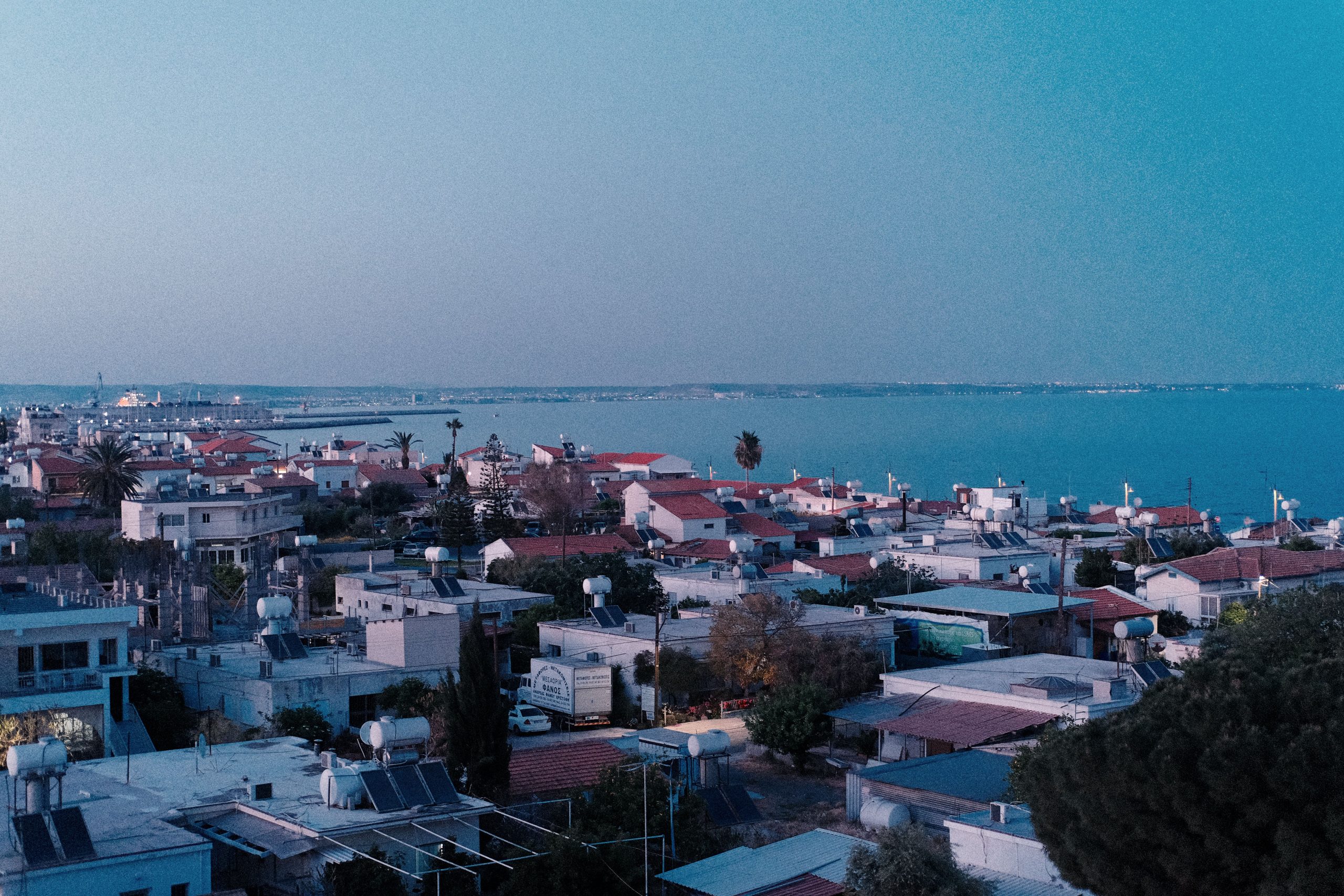
Astypalaia has been declared in a state of emergency for three months due to water scarcity, while the five-month state of emergency in Patmos is being extended for a further three months for the same reason, according to a relevant decision by the ministry.
This situation forms part of a broader pattern of “water imbalance” on the Aegean islands, where water appears either as a threat or as a shortage. During the winter months, intense but short-lived rainfall leads to sudden flooding, as water, due to the terrain and short distances, quickly flows into the sea. In contrast, during the summer, limited rainfall, high temperatures, and increased demand create conditions of severe water scarcity.
Structural weaknesses in infrastructure also play a decisive role: losses in water supply networks reach up to 60% in some cases, while the tourist season multiplies the population by as much as 15–20 times, placing disproportionate pressure on available reserves, according to a report by “To Vima.”
A state of emergency is a special administrative decision taken when a problem requires the immediate implementation of measures.
Within this context, a research team from the Democritus University of Thrace, in collaboration with other institutions, is attempting to implement a new management model on seven Aegean islands (Thasos, Samothraki, Sifnos, Serifos, Agathonisi, Amorgos, and Kasos).
The approach is based on linking flood-control interventions with water storage: projects such as rainwater squares (concrete surfaces adapted to slopes that collect rainwater and channel it into underground tanks) and small dams aim to retain winter runoff and direct it into reservoirs for use during the summer months. At the same time, tools are being developed to estimate future water demand under different climate and population scenarios, with the goal of achieving a more stable “water balance.”
A representative example is the case of Fournoi, where relatively simple constructions (10 rainwater squares and five small dams) could ensure sufficient water for the summer period while simultaneously reducing flood risk.
Source: Τo Vima [1], [2]


 What is fyi.news?