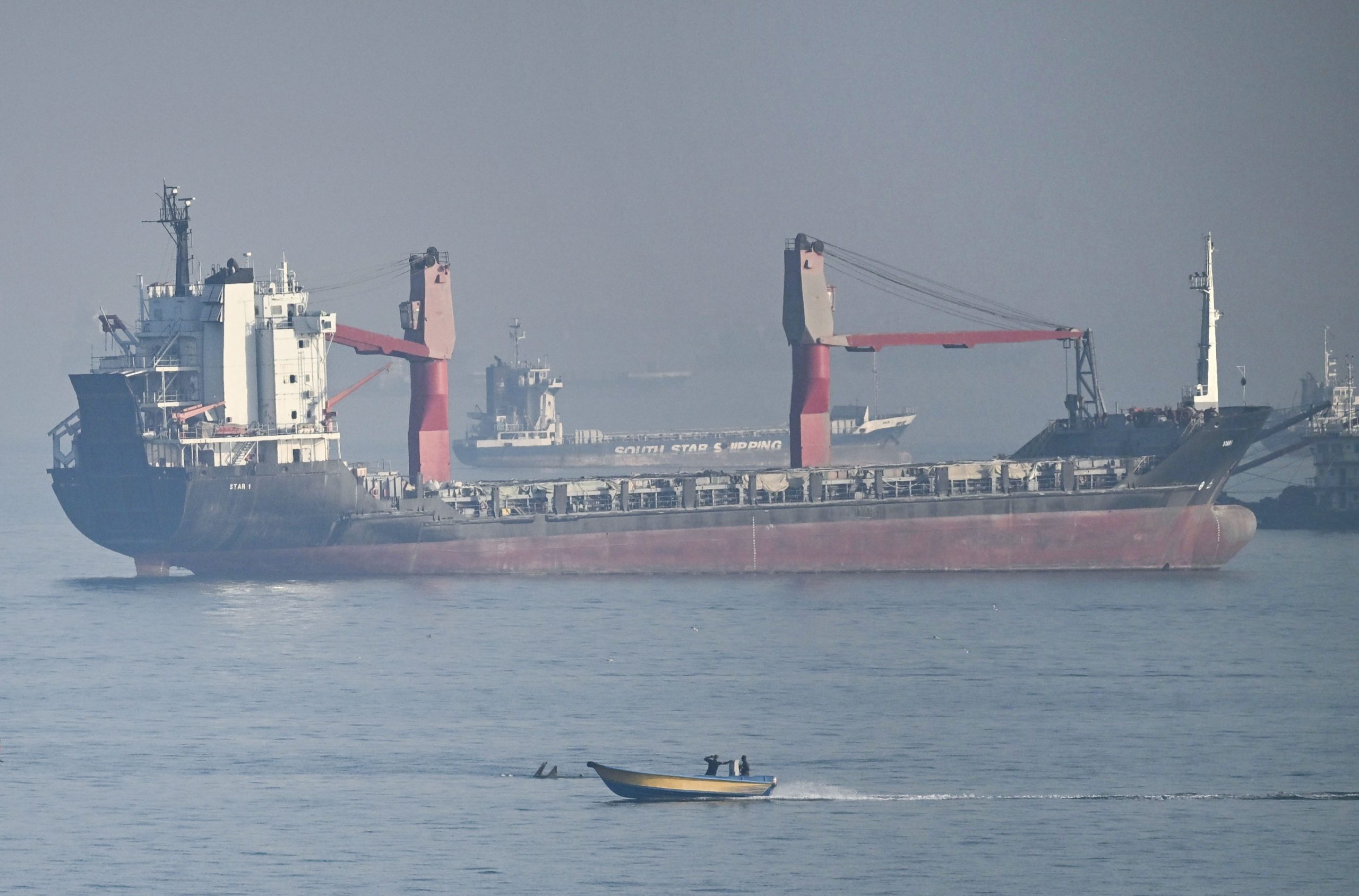
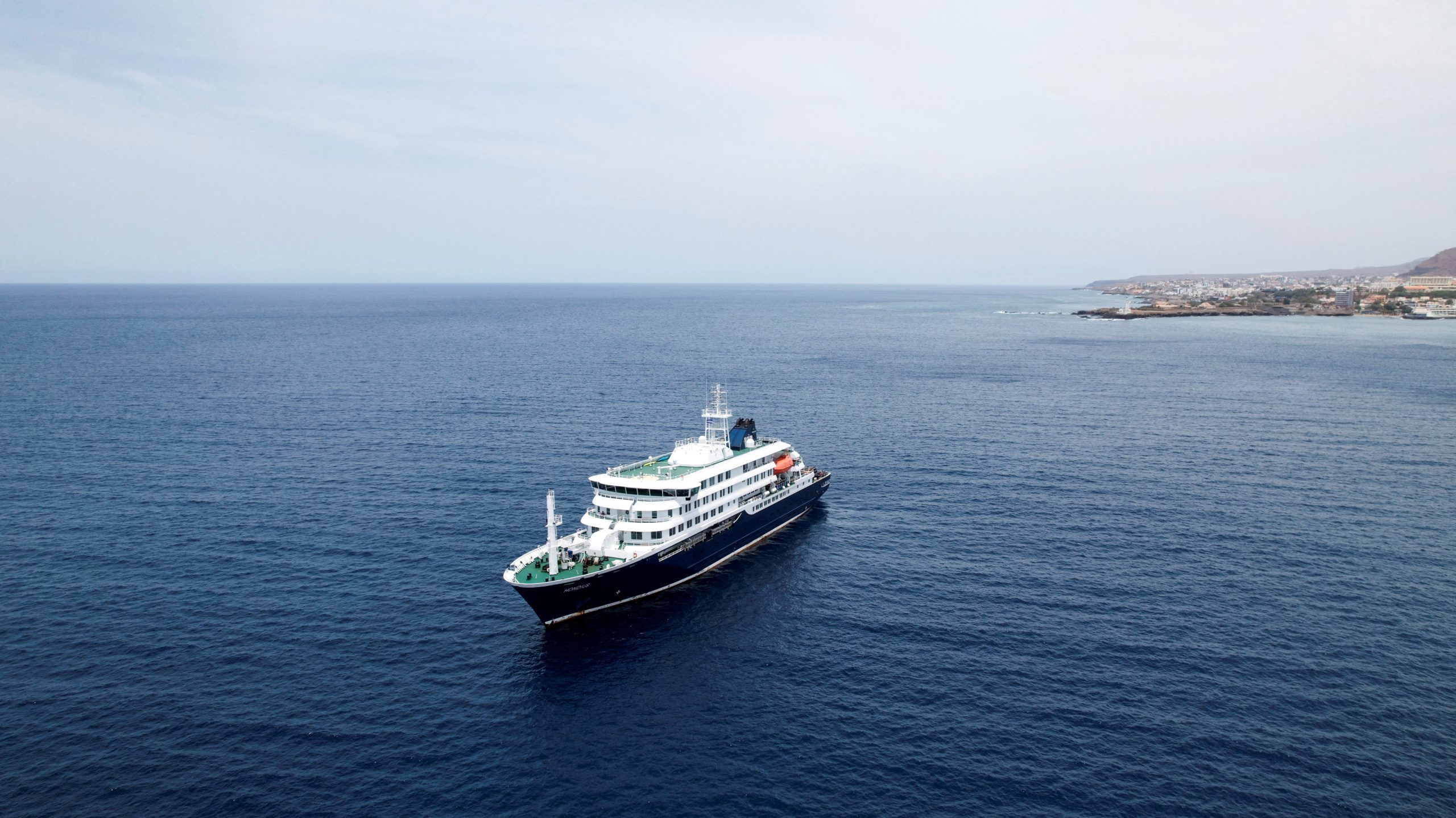
The United States and Iran exchanged fire in the Strait of Hormuz yesterday, with the two sides accusing each other over which one started the attacks.
The US stated that Iran launched missiles, drones and small vessels against three warships and Iran that the US targeted two ships and carried out air attacks on coastal areas.
The increase in tension comes despite the fact that the American president had stated in recent days that the war with Iran would “end quickly.” However, despite the fact that the ceasefire was put at risk, Donald Trump stressed that it is still in force, while he awaits Tehran’s response to his proposal for peace.
According to BBC, European oil companies (e.g. BP), banks (JPMorgan Chase) and others, have greatly increased their profits during the war.
In yet another indication of the fragile nature of the ceasefire, early on Friday morning the Ministry of Defence of the United Arab Emirates announced that its air defence systems were “actively confronting” an attack with missiles and drones from Iran.
The American outlet Axios reported that the White House believes that it is approaching a 14-point memorandum of understanding with Iran, which could constitute a framework for more detailed negotiations regarding Iran’s nuclear programme and the return of navigation to normality.
In a post on Truth Social on 6 May, Donald Trump wrote that if Iran does not agree to a deal, “the bombings will begin and they will be, unfortunately, much more extensive and intense than before.”
Sources: BBC [1], [2]


 What is fyi.news?