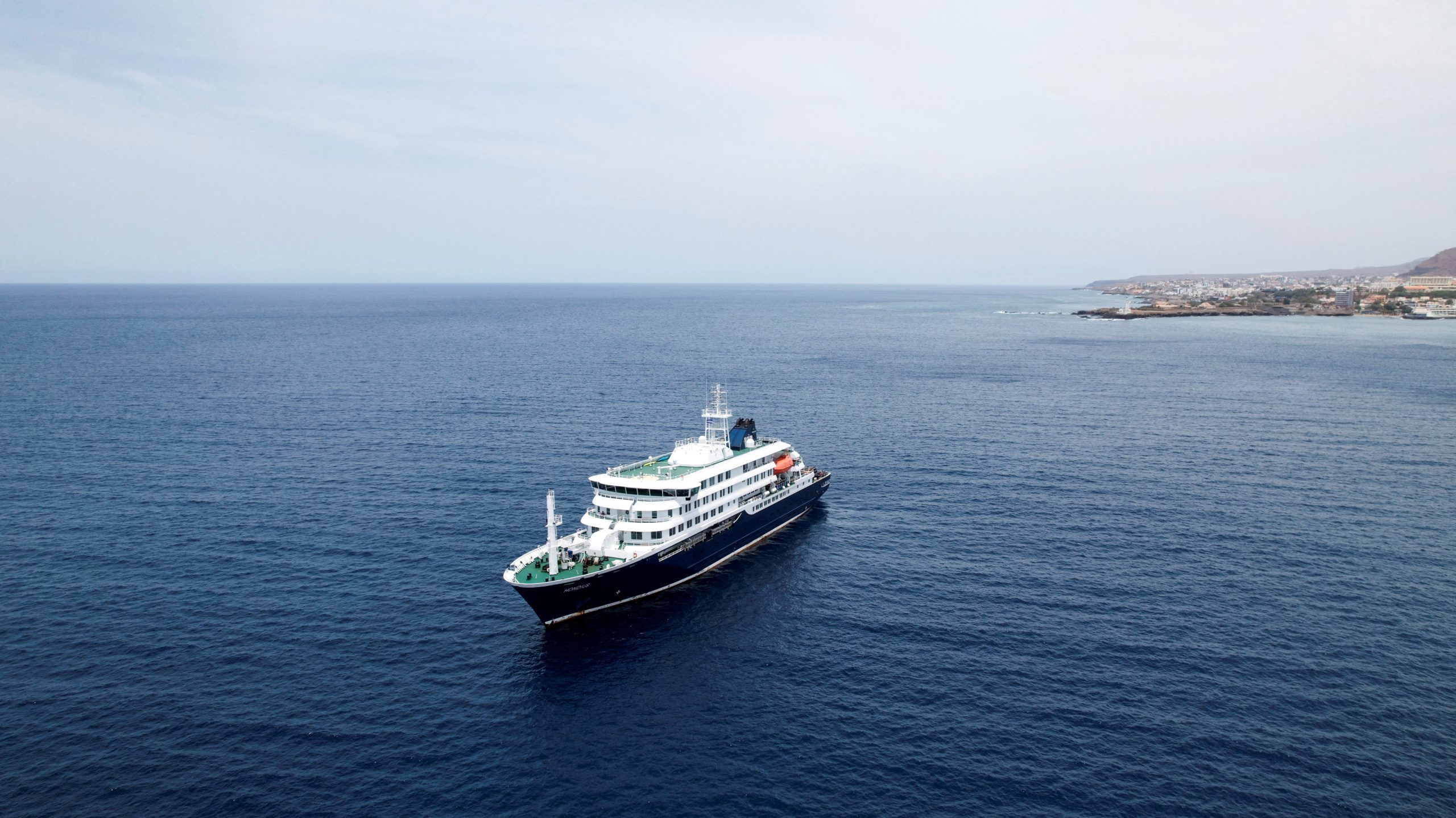
The World Health Organization sought to reassure public concerns surrounding the hantavirus outbreak linked to the cruise ship MV Hondius, emphasizing that the situation does not represent the beginning of a new pandemic. According to the data available so far, a total of eight cases have been recorded (five confirmed and three suspected), along with three deaths associated with the incident.
The WHO stressed that hantavirus spreads very differently from viruses such as the flu or COVID-19. The specific strain involved, the Andes hantavirus, is the only known hantavirus strain capable of human-to-human transmission; however, such transmission is considered rare and requires close, prolonged personal contact. The first patients are believed to have contracted the virus from rodents in South America before limited transmission occurred between humans.
The initial patients were likely infected by rodents in South America, after which the virus spread between people, something considered rare for hantavirus.
Despite the reassuring statements, health authorities in several countries have launched extensive contact-tracing procedures, as passengers and crew members disembarked at different points during the voyage and returned to their home countries. Individuals in the United Kingdom, Singapore, France, Denmark, Germany, and the United States are being monitored or placed in isolation, while diagnostic testing is being carried out on those who came into contact with possible cases.
Experts warn that the virus’s incubation period may last up to six or even eight weeks, meaning additional cases could emerge in the coming weeks. However, so far there is no evidence that the virus has mutated into a more highly transmissible form.
Πηγές: BBC, The New York Times


 What is fyi.news?