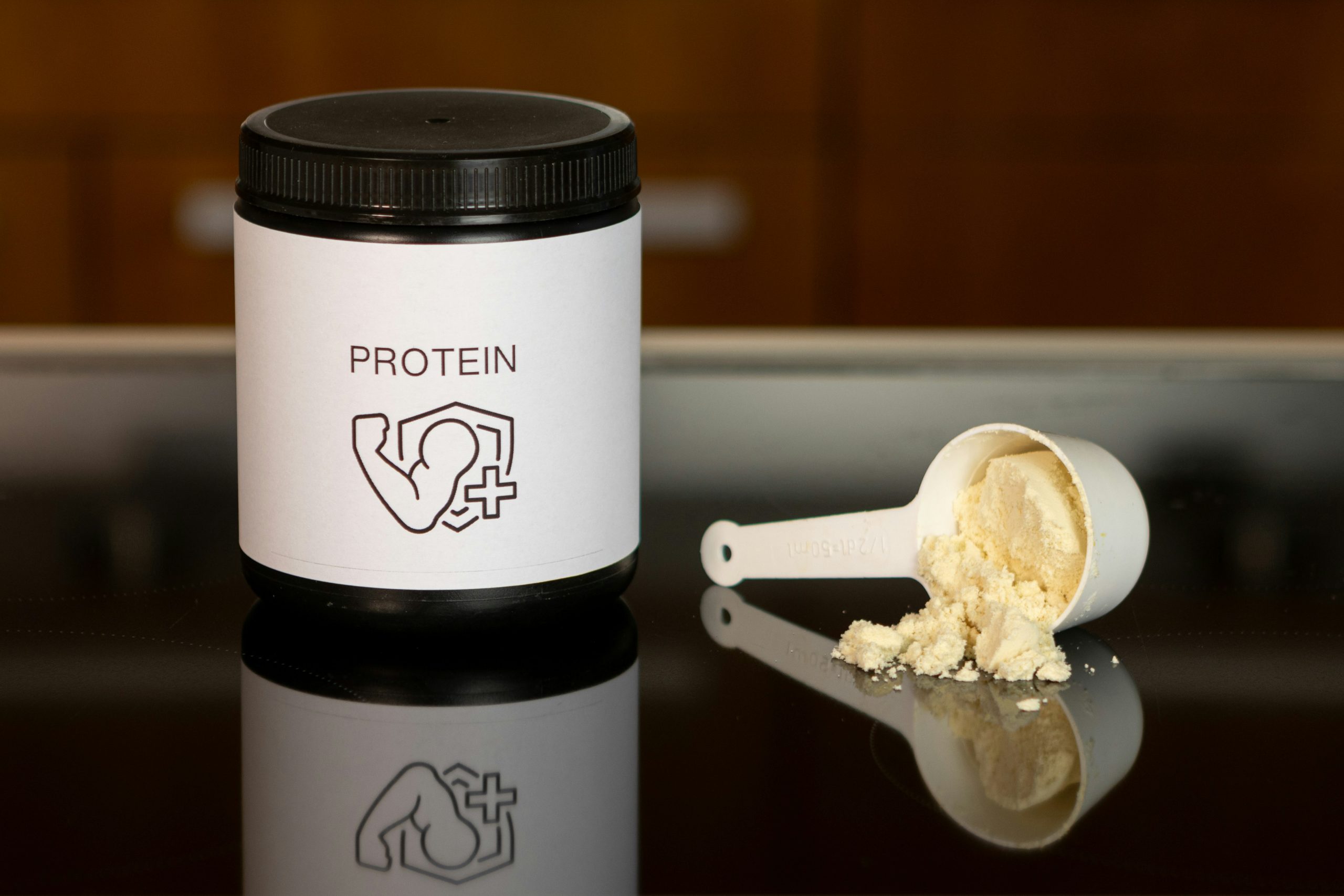
Growing demand for high-protein products is putting pressure on the global whey protein market, leading to shortages and significant price increases for one of the food and supplement industry’s most important raw materials.
Whey protein has become a focal point of the high-protein food trend, as it is widely used in bars, beverages, cereals, snacks, and other products targeted at consumers seeking to increase their protein intake. However, supply remains constrained because whey protein is a by-product of cheese production and cannot be produced independently or rapidly scaled up to meet rising demand.
The shortages are forcing manufacturers to reformulate products and seek alternative protein sources, such as soy and pea protein.
According to industry sources, some suppliers have already exhausted their available inventories for the remainder of the year, while prices for certain types of whey protein have increased by more than 40% in just a few months.
Many companies are revising their formulations and exploring alternative protein ingredients, including soy protein, pea protein, and milk protein concentrate. However, substitution is not always straightforward, as it can affect the taste, texture, and functional properties of finished products.
Analysts expect market pressures to gradually reach consumers as well, with higher raw material costs likely to be reflected in retail prices across the United States over the next 12 to 18 months.
Source: Bloomberg


 What is fyi.news?