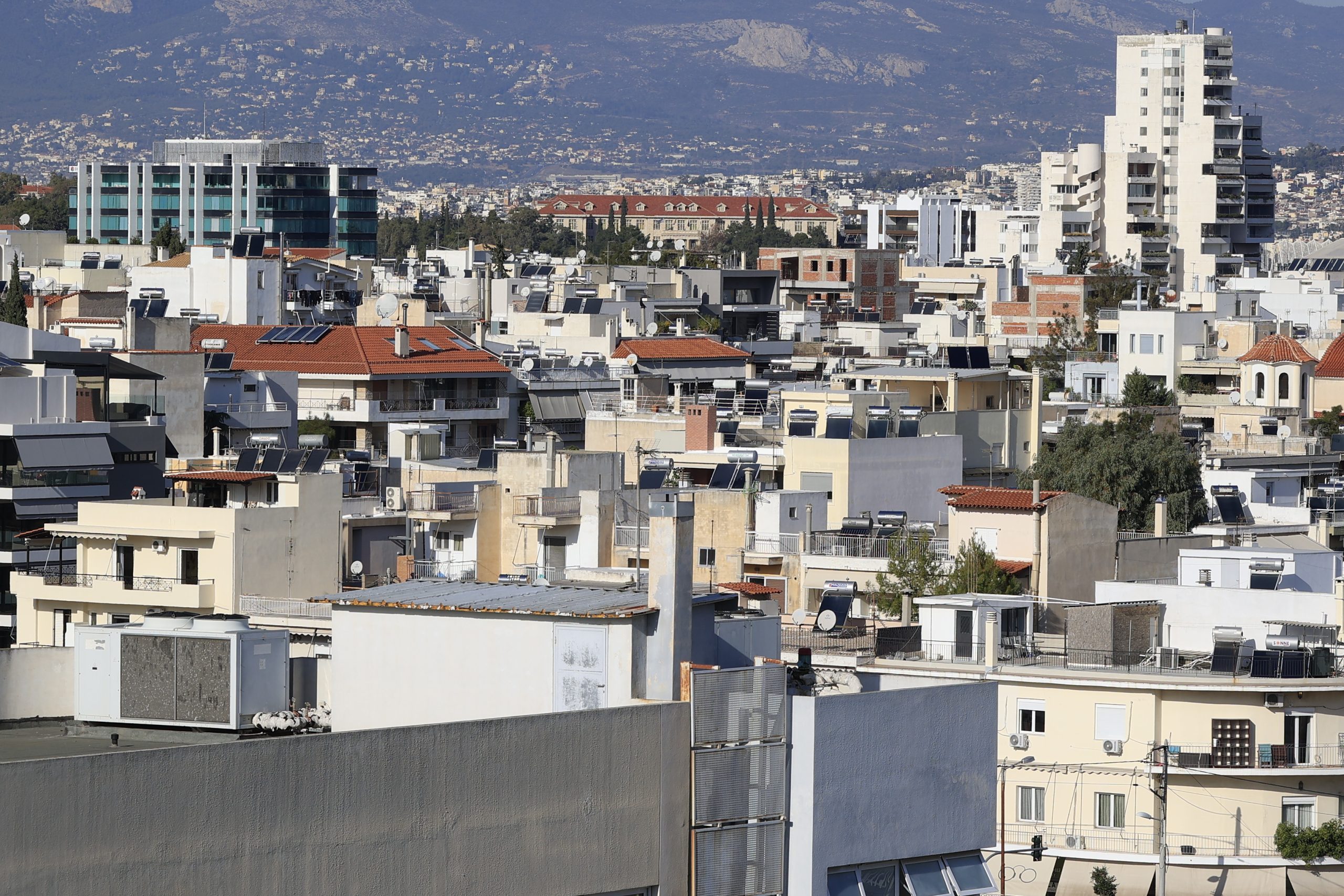
Greeks prefer to invest their wealth in real estate, with around €7 out of every €10 held in property.
In some cases, real estate accounts for more than 80% of a household’s wealth, according to the latest OECD data for 2023. Property is followed by bank deposits, stocks and mutual funds.
According to Kathimerini, citing an IOBE study, Greek households’ investments in stocks and investment funds amount to just 18.9% of GDP, compared with an EU average of 35.4%.
At the same time, the savings rate remains negative, at -2.5% of disposable income in 2024, compared with +15.2% in the eurozone.
One reason is the lasting impact of the 1999 stock market bubble, while another is the lack of incentives. In countries such as France, Sweden and Italy, a different investment culture has developed over decades through tax incentives, tax-free gains and special investment accounts that reward long-term saving. As a result, a significant share of household wealth is invested in stocks, mutual funds and businesses.
In Greece, bank deposits have recovered from their historic low of €109.4 billion in 2019, increasing by €47 billion, or 43%, but remain below their 2009 level of €188.2 billion.
At the same time, the savings rate remains negative, at -2.5% of disposable income in 2024, compared with +15.2% in the eurozone.
Source: Kathimerini


 What is fyi.news?