What is fyi.news?
- What has hit us again?
- What is mpox?
- What are the symptoms of mpox?
- What’s the deal in Greece?
- Who can and should get the vaccine?
- How dangerous is it?
- Will we face another pandemic?




 (fyiteam)
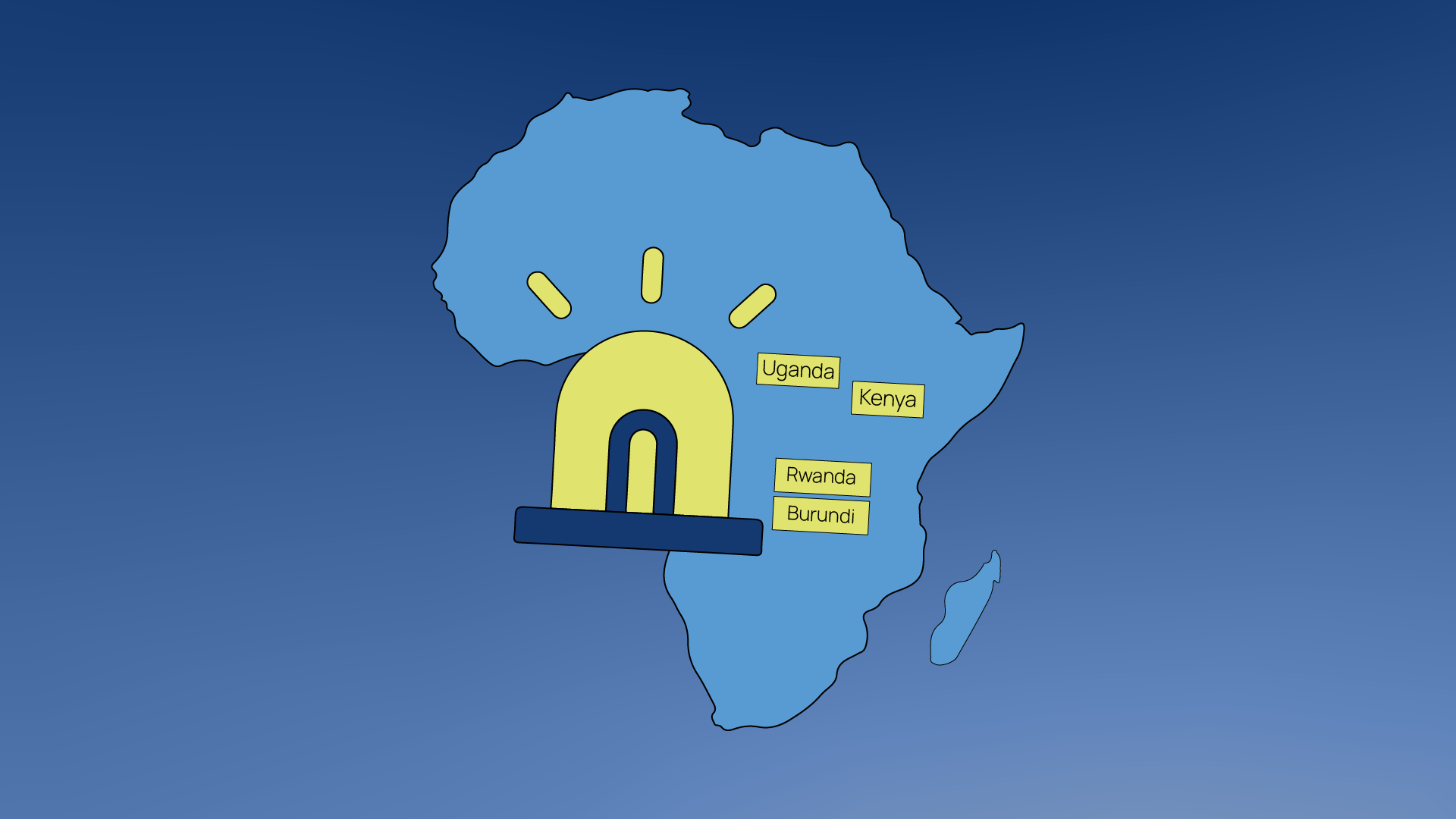
On August 14, the World Health Organization (WHO) declared a global health emergency, its highest alert level, due to the outbreak of mpox in the Democratic Republic of the Congo (DRC). The outbreak has also spread to neighboring countries, including Burundi, Kenya, Rwanda, and Uganda.
This year, over 500 people have died in the DRC and cases have been identified in 13 African countries, with 96% of the cases occurring in the DRC.
Last week, Sweden confirmed the first case outside Africa, and cases have also been reported in Pakistan, the Philippines, and Thailand.
In 2022, the WHO had previously declared mpox a global health emergency, with around 200 deaths across 116 countries.
 (fyiteam)
Mpox (formerly known as Monkeypox) is a rare viral infection caused by the mpox virus. The mpox virus is genetically similar to the smallpox virus but is less contagious and causes milder symptoms.
Transmission from person to person occurs through contact with the skin lesions or bodily fluids of an infected person or contaminated objects, as well as through respiratory droplets after prolonged close contact at short distances.
The name Monkeypox was retired because:
 (fyiteam)
Symptoms include fever, headache, muscle aches, swollen lymph nodes, chills, and fatigue. A rash usually appears on the hands, feet, chest, mouth, or genitals 1-5 days after the onset of symptoms.
Although there is no specific treatment, most patients recover fully within a few weeks.
 (fyiteam)
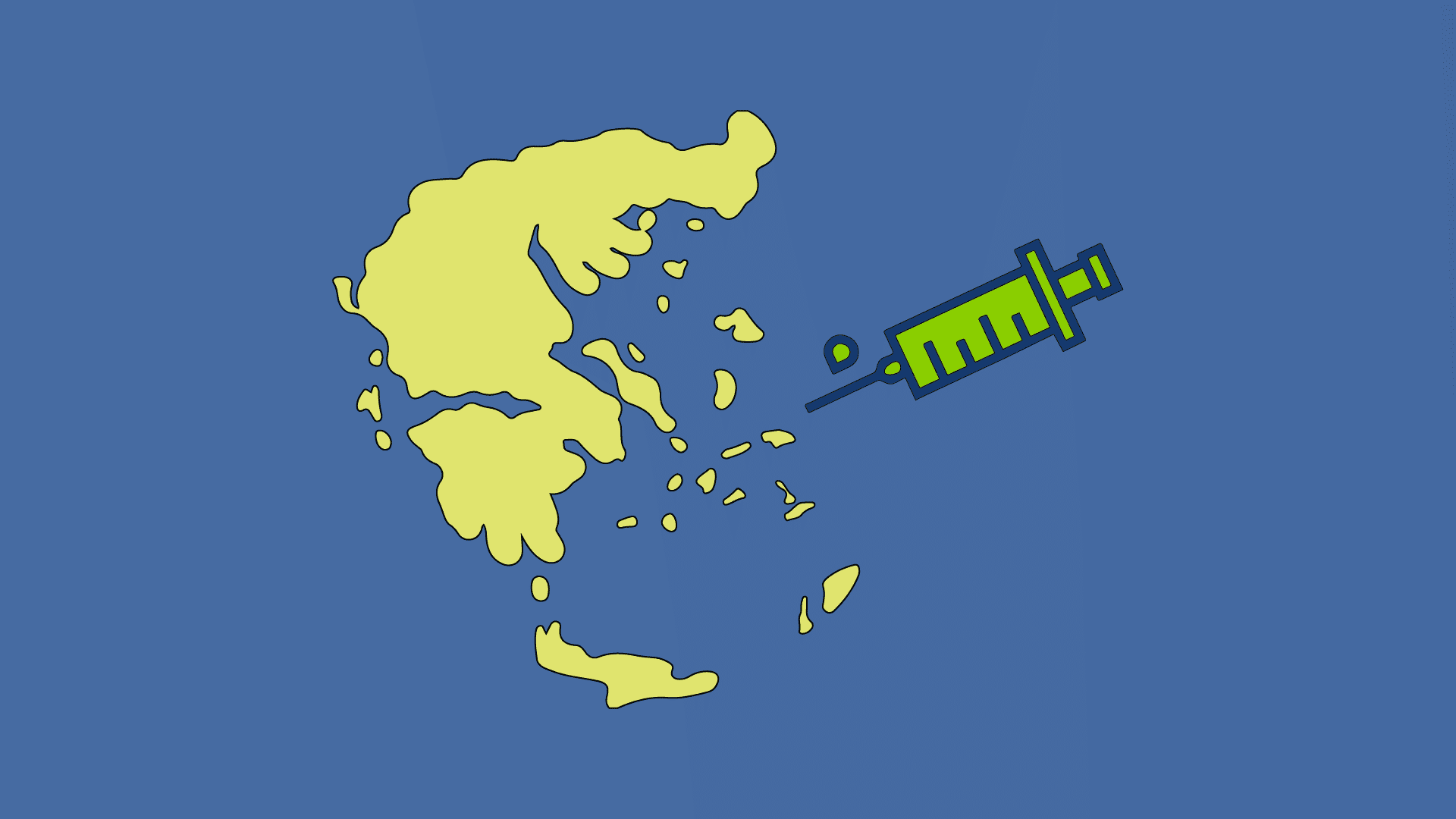
Although no cases of mpox have been reported in Greece, authorities warn that, similarly to Sweden, imported cases may occur.
Vaccination against mpox began on July 22, 2024, at the “Attikon” and “Andreas Syggros” hospitals.
Five additional vaccination centers will be set up in Thessaloniki, Alexandroupolis, Crete, Patras, and Athens.
 (fyiteam)
According to the Hellenic National Public Health Organization (EODY), the vaccine is recommended for individuals aged 18 and older who are at high risk and fall into the following high-risk categories:
• Men who have sexual contact with men, men who have sexual contact with both men and women, and transgender individuals.
• All individuals in these groups are considered at increased risk if they have had 5 or more casual sexual partners or have been infected with at least one sexually transmitted disease in the past 3 months.
• Healthcare professionals working in high-risk exposure environments (e.g., laboratories, specialized units).
• Individuals with close physical contact with a confirmed case within 4 to 14 days after exposure, provided they have not developed symptoms.
• Individuals who have frequent and close contact with the above categories.
• Vaccination is particularly crucial for immunocompromised individuals in the categories above.
Individuals vaccinated in 2022 are likely to retain some degree of protection.
 (fyiteam)
The current variant (Clade I) has a mortality rate of 1% to 10%. Recent data from the DRC estimate the mortality rate at about 4%.
Additionally, a new subvariant (Clade Ib) has appeared. Although its mortality rate is similar to Clade I (around 4%), it spreads more quickly.
The Clade II variant from 2022 had a mortality rate of 0.2%.
 (fyiteam)
According to the World Health Organization (WHO), it is unlikely that we will face another pandemic similar to COVID-19, as the virus does not spread as easily and authorities “know how to control it.”
The issue is expected to be primarily confined to the Democratic Republic of the Congo (DRC) and neighboring countries, which are struggling with vaccine availability.
The U.S. and the EU have reserves, with manufacturers indicating they can meet demand.
In the DRC, with a population of over 109 million, only 65,000 vaccines will be available immediately. The distribution of most vaccines is not expected to begin before October, and the cost ($100 per dose) is high for many African countries.