(fyiteam)

Has everything become high-protein?

Add your Headline Text Here
@fyinews team

28/11/2025

Copy link
fyi:
  • Everywhere you look
  • Why do we need protein in the first place?
  • Okay, yes — for the gains
  • When did high-protein supplements begin?
  • When did protein products start looking like they do today?
  • How healthy are these products, really?
  • Why do we think they’re healthy?
  • How much protein do we actually need?
  • Who truly benefits from these products?
  • Sources

Everywhere you look

Even if you have nothing to do with fitness or nutrition, it’s hard to ignore the protein craze.

One by one, products — from rice cakes to pasta and chocolate — are reappearing on supermarket shelves in “high-protein” versions.

In fact, the global market for high-protein foods is estimated at $56.7 billion in 2025 and is projected to exceed $117.4 billion by 2034.

So what’s driving this?

Why do we need protein in the first place?

Protein is essential for growth and repair in the body.

When we consume protein-rich foods (dairy, meat, eggs, fish, legumes), they are broken down into amino acids.

These are absorbed in the small intestine. The liver determines which amino acids the body needs, and any excess is eliminated.

Okay, yes - for the gains

For most people, protein has long been associated with muscle growth.

Strength training causes muscle protein breakdown. In order for muscles to grow, that protein must be rebuilt. Leucine -a specific amino acid- plays a key role in this process.

Some experts argue that if we do not consume protein after training, muscle breakdown may exceed muscle synthesis. That protein is often consumed in supplement form (such as protein powder).

When did high-protein supplements begin?

Protein supplements were not always sold in the form we know today.

The first “high-protein” supplement was created in 1865 by German scientist Justus von Liebig. It was a liquid meat extract made from processed cattle remains and marketed as a nutritional substitute.

Protein’s explicit link to muscle mass emerged in the late 1890s, when a protein-rich milk powder called Plasmon was marketed in the UK and Germany, with packaging featuring Greek gods and muscular bodies.

When did protein products start looking like they do today?

In the 1950s, Bob Hoffman -then coach of the US Olympic weightlifting team- introduced “Hi-Protein” shakes.

For decades, protein products remained closely associated with weightlifting and bodybuilding.

In the 21st century, however, that began to change. Protein became linked not only to muscle gain but also to weight loss. Until then, the dominant message had been: dieting means avoiding fat.

How healthy are these products, really?

Less than we might assume.

Most fall into the category of ultra-processed foods — products containing five or more ingredients not typically found in a home kitchen (such as colorings, flavor enhancers and preservatives), similar to crisps or soft drinks.

According to recent research published in The Lancet, ultra-processed foods are associated with an increased risk of at least 12 health conditions, including type 2 diabetes, cardiovascular disease and depression.

Why do we think they’re healthy?

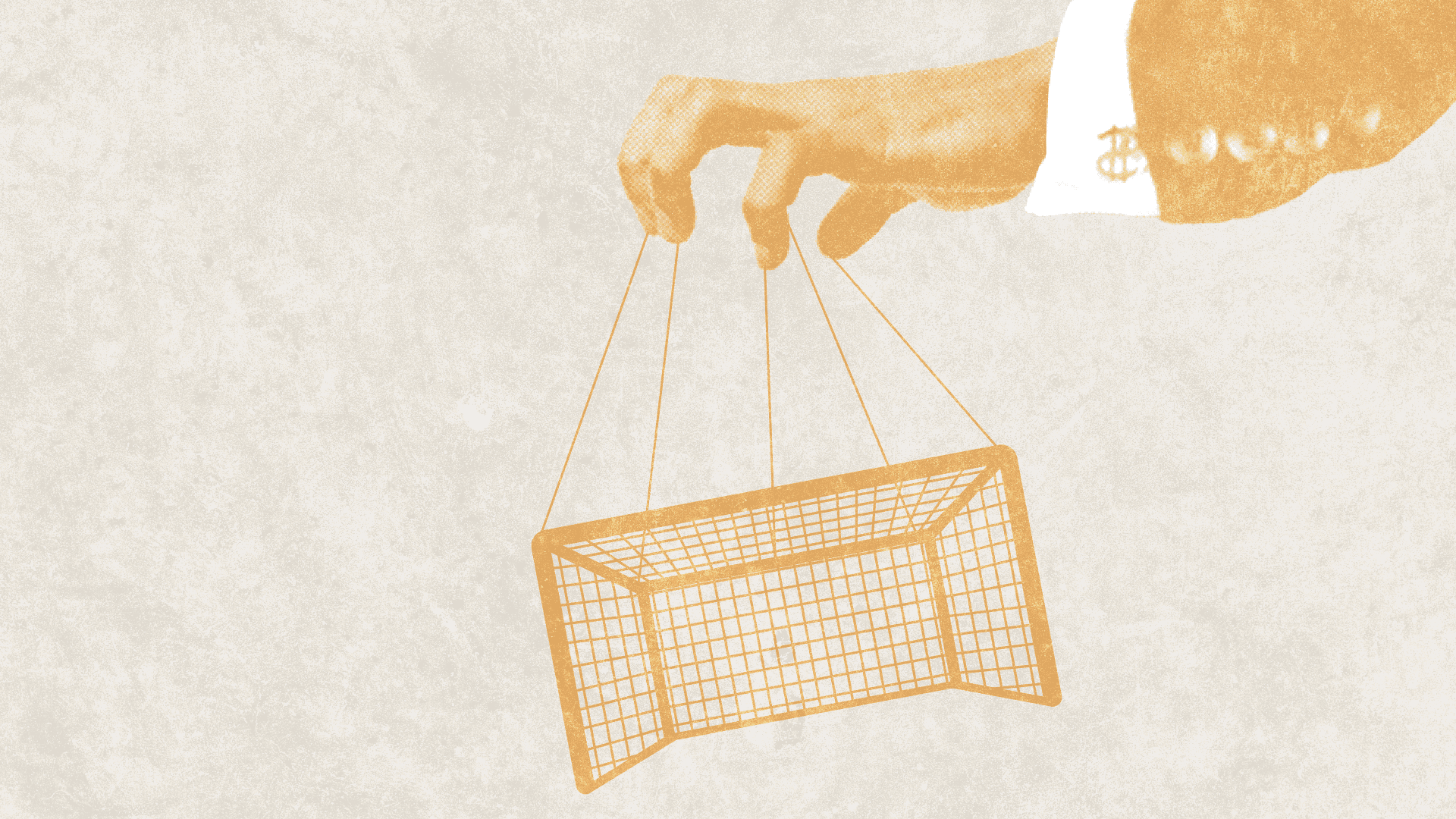
Marketing creates what psychologists call a “halo effect”  -a cognitive bias in which one positive characteristic leads us to assume that all aspects of a product are positive.

As a result, consumers often equate “high protein” with “high nutritional value.”

In reality, a simple traditional strained yogurt (without any “high-protein” label) can provide 15–20 grams of protein.

How much protein do we actually need?

Nutritionists emphasize that most people in high-income countries already consume sufficient protein.

Requirements vary depending on age, physical activity and health status (for example, increased needs during recovery).

An average adult requires about 1 gram of protein per kilogram of body weight per day, around 1.2 g/kg if physically active. Even those aiming to build muscle do not appear to benefit from consuming more than roughly 1.5 g/kg.

Who truly benefits from these products?

Ideally, protein should come from a balanced diet.

However, high-protein products may be useful when they replace other ultra-processed foods, particularly for individuals with increased protein needs, such as:

  • People following a vegan diet
  • Older adults
  • Women going through menopause
  • Individuals aiming to increase muscle mass or lose weight.

Sources

BBC [1], [2], [3]

Towards FnB

The Conversation

The Guardian

The New York Times

Men’s Health

AD(1024x768)