What is fyi.news?
- The speculum is changing
- But what exactly is a speculum?
- The history of the speculum
- What’s different about the new Lilium model?
- When will doctors start using it?
- A tool that saves lives
- Sources


 (fyiteam/ Braun DE / TU Delft)
Whether you’ve ever had a gynecological exam or not, you know they’re rarely pleasant. About 30–35% of women report feeling shame, fear, or even pain.
For this reason, two engineers at Delft University believe part of the problem lies in the tool itself: the speculum.
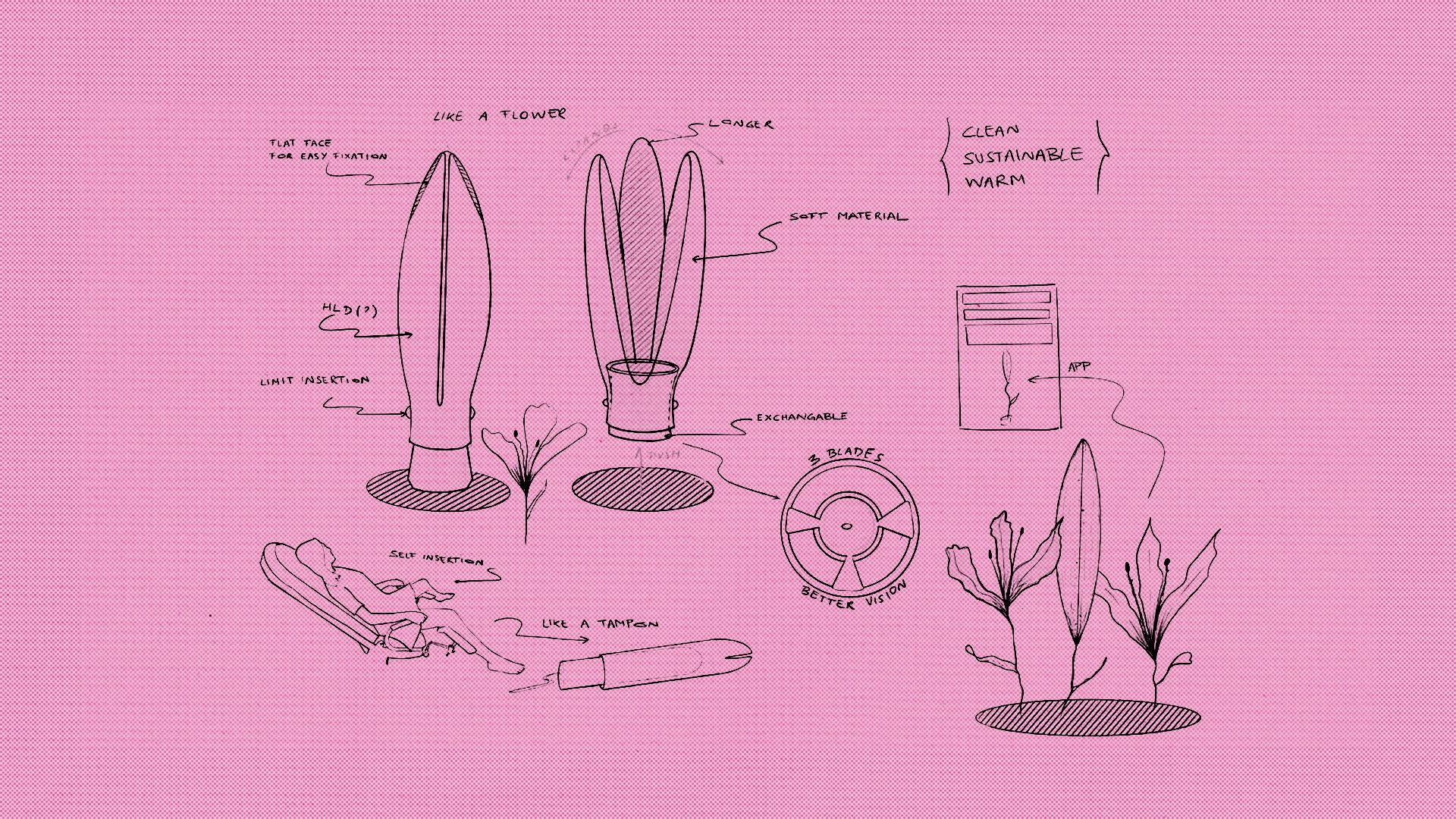
Tamara Hoveling and Ariadna Izcara Gua designed a new model, Lilium, centered on patients rather than doctors. Just recently, it raised the funds needed to move into clinical trials.
 (fyiteam/ Braun DE / TU Delft)
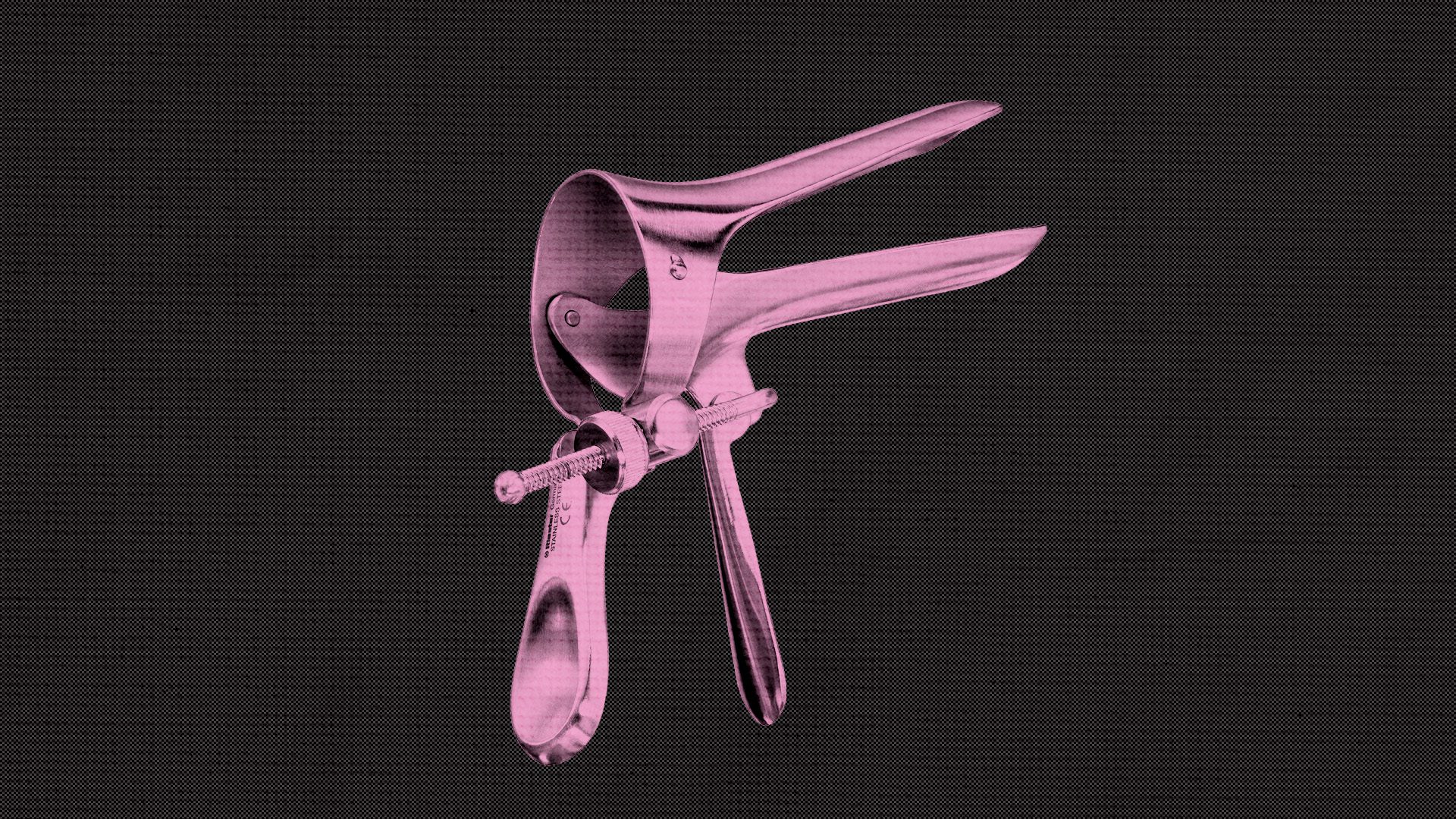
A speculum is a medical instrument used during gynecological exams to inspect the inside of the vagina and to collect samples from the cervix (e.g., Pap tests).
It’s typically made of metal—or plastic for single-use versions—and consists of:
 (fyiteams/wikicommons)
Vaginal and anal speculums were already used in the Roman Empire, with findings discovered in Pompeii.
The modern speculum, however, was developed about 180 years ago by the American doctor J. Marion Sims, who, between 1845 and 1849, tested it on at least 12 enslaved women, performing dozens of procedures without anesthesia.
 (fyiteam/ Braun DE / TU Delft)
material research to optimize the prototype.
The researchers still need to:
To reach this next stage, they needed €100,000, which they raised in just two days via crowdfunding—demonstrating strong public support.
 (fyiteam/ Braun DE / TU Delft)
Cervical cancer is the fourth most common cancer among women, according to the WHO. Early detection requires HPV testing and/or Pap tests, both of which need a speculum.
Beyond increasing awareness and access, ensuring exams are less painful, frightening, or embarrassing is expected to encourage more women to get screened regularly.