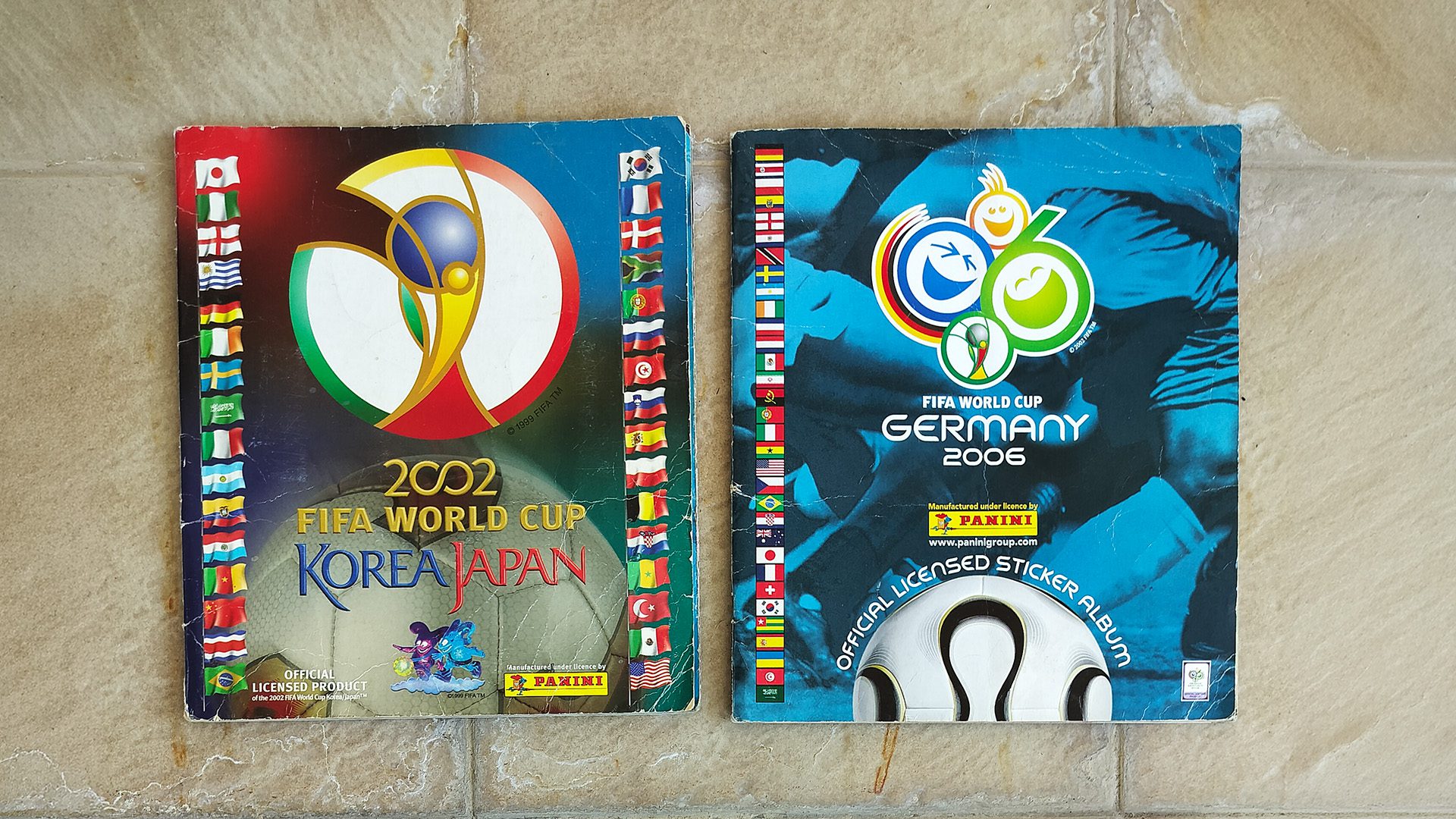
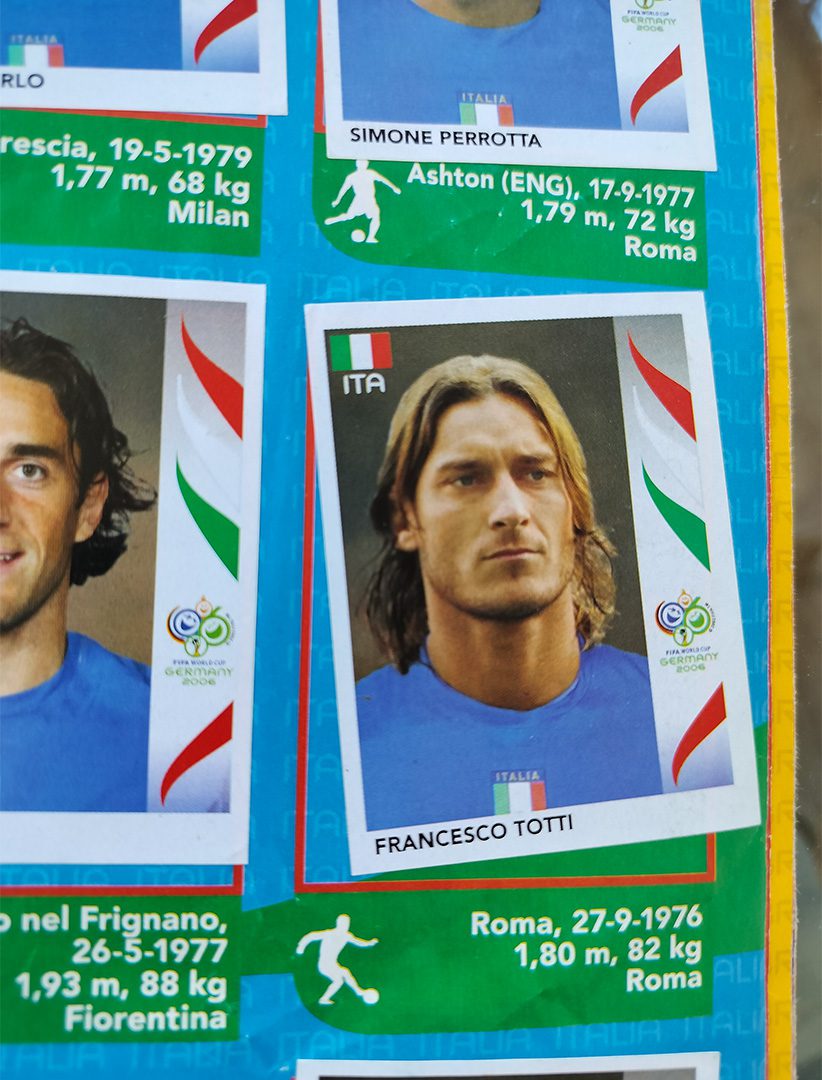
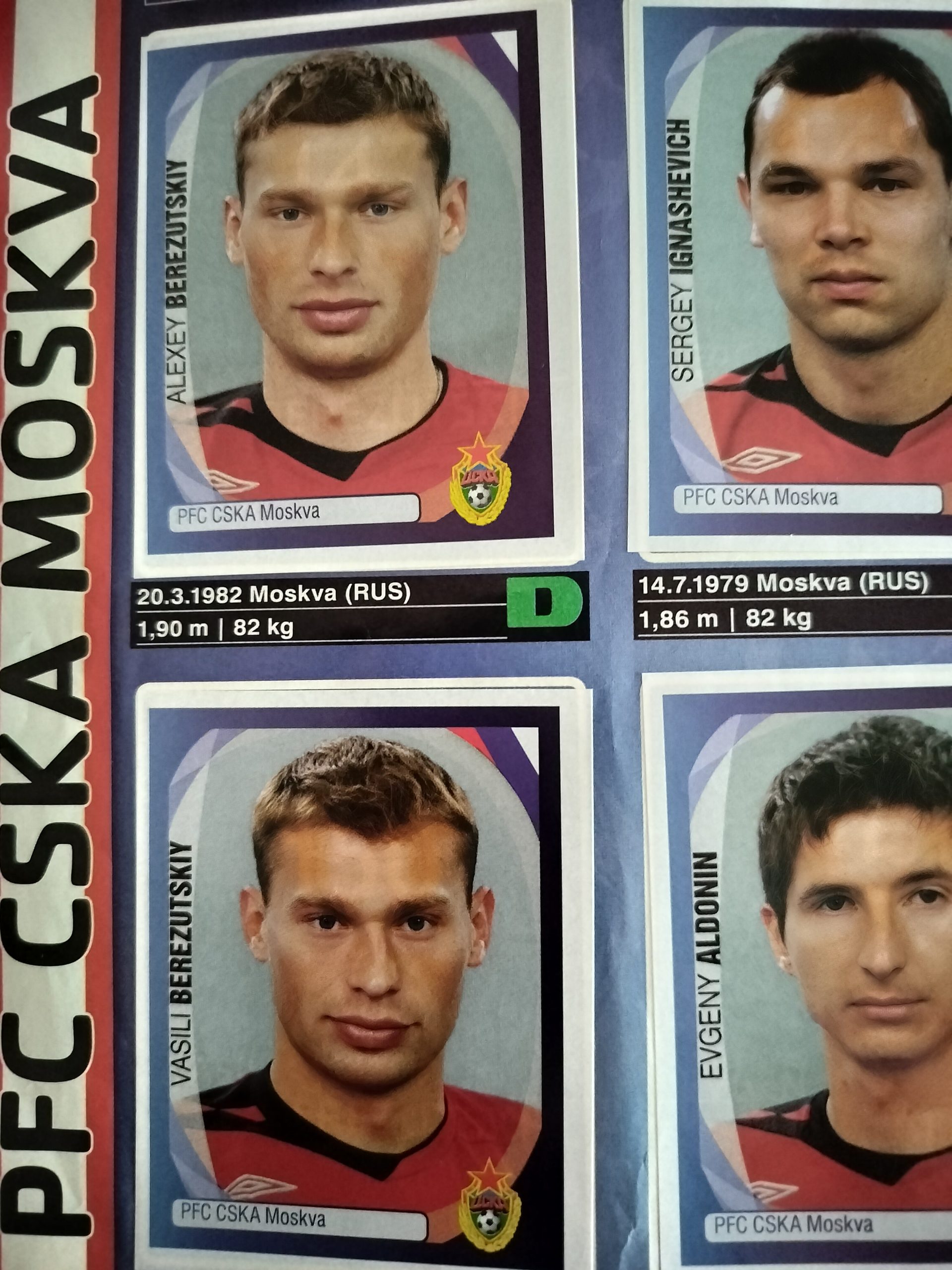
When I was a kid, Panini’s World Cup sticker albums felt more important than the tournament itself. Reading a recent Associated Press story on the subject, I realized that not only was I far from alone in feeling that way, but that this sentiment has only grown stronger over time. “For many children, completing the album is an achievement even more important than seeing their national team win the World Cup,” AP wrote.
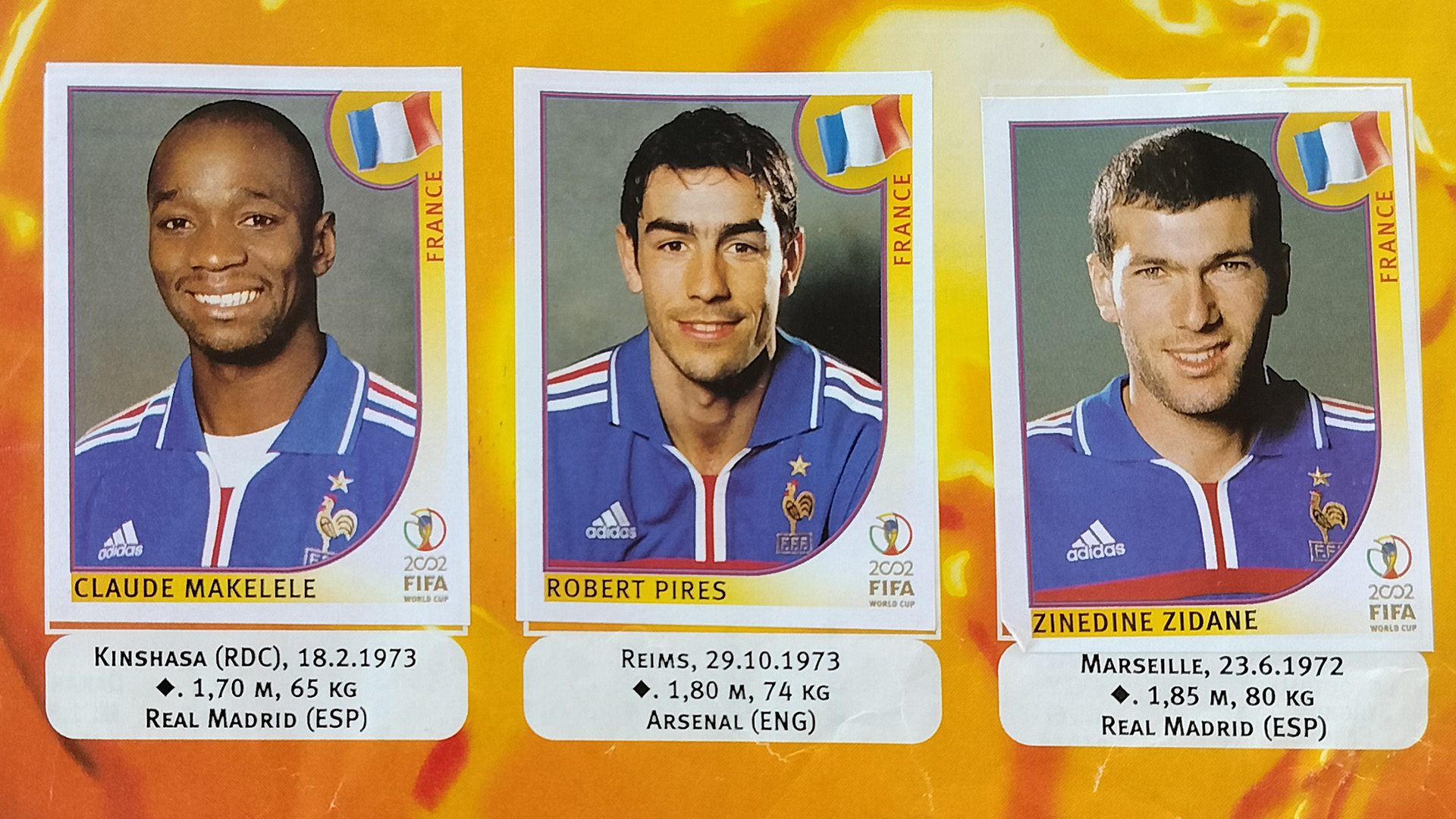
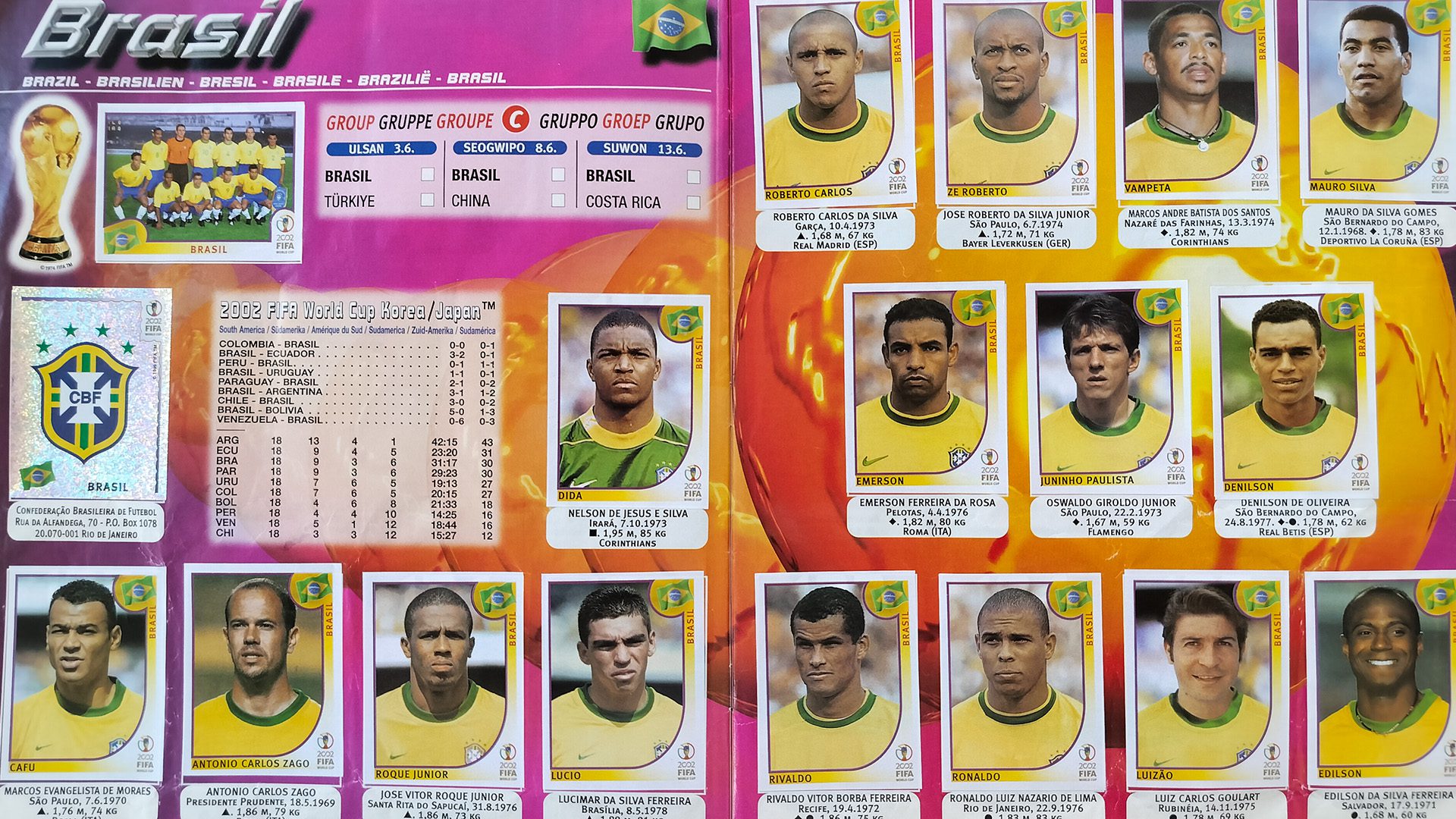
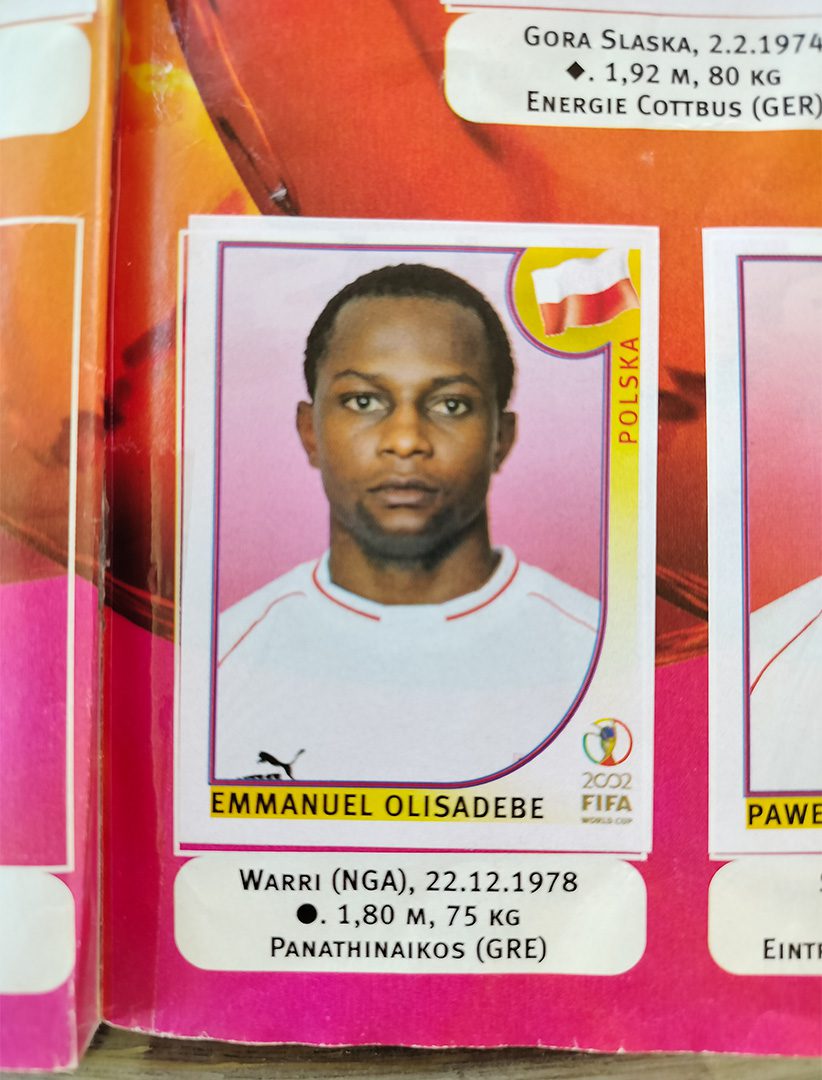
But let me take a step back for anyone unfamiliar with what I’m talking about. For most major sporting events, whether men’s or women’s competitions, Panini releases collectible sticker albums sold at kiosks and newsstands. Sticker packs are sold separately. Of course, you never know what each pack contains. Every team gets a two-page spread featuring its squad, with empty spaces waiting to be filled by stickers bearing each player’s name and photograph. As you buy more packs, the album gradually fills up with player portraits, federation crests, and team photos.
Panini was founded in 1961 in Modena, Italy, by the Panini brothers, and its first official World Cup album was released for the 1970 tournament in Mexico. This year’s album, reflecting the expansion of the tournament to 48 teams, will contain 112 pages and 980 stickers—310 more than the album for the 2022 World Cup. In 1970, when only 16 teams competed, the collection consisted of roughly 271 stickers.
For 2026, the company expects revenue of around $1.4 billion, driven largely by the World Cup and its collectible product lines. In years without a World Cup, group revenue is estimated at roughly $600 million, generated mainly through comics, magazines, and collectibles.
In Greece, a pack containing seven stickers costs €1.30. A box of 50 packs—350 stickers in total—costs €65. A box of 100 packs costs €130. For this year’s World Cup album, assuming there were never any duplicates, you would need 140 packs, costing around €182. The real cost, of course, is much higher because duplicates are inevitable.


 What is fyi.news?