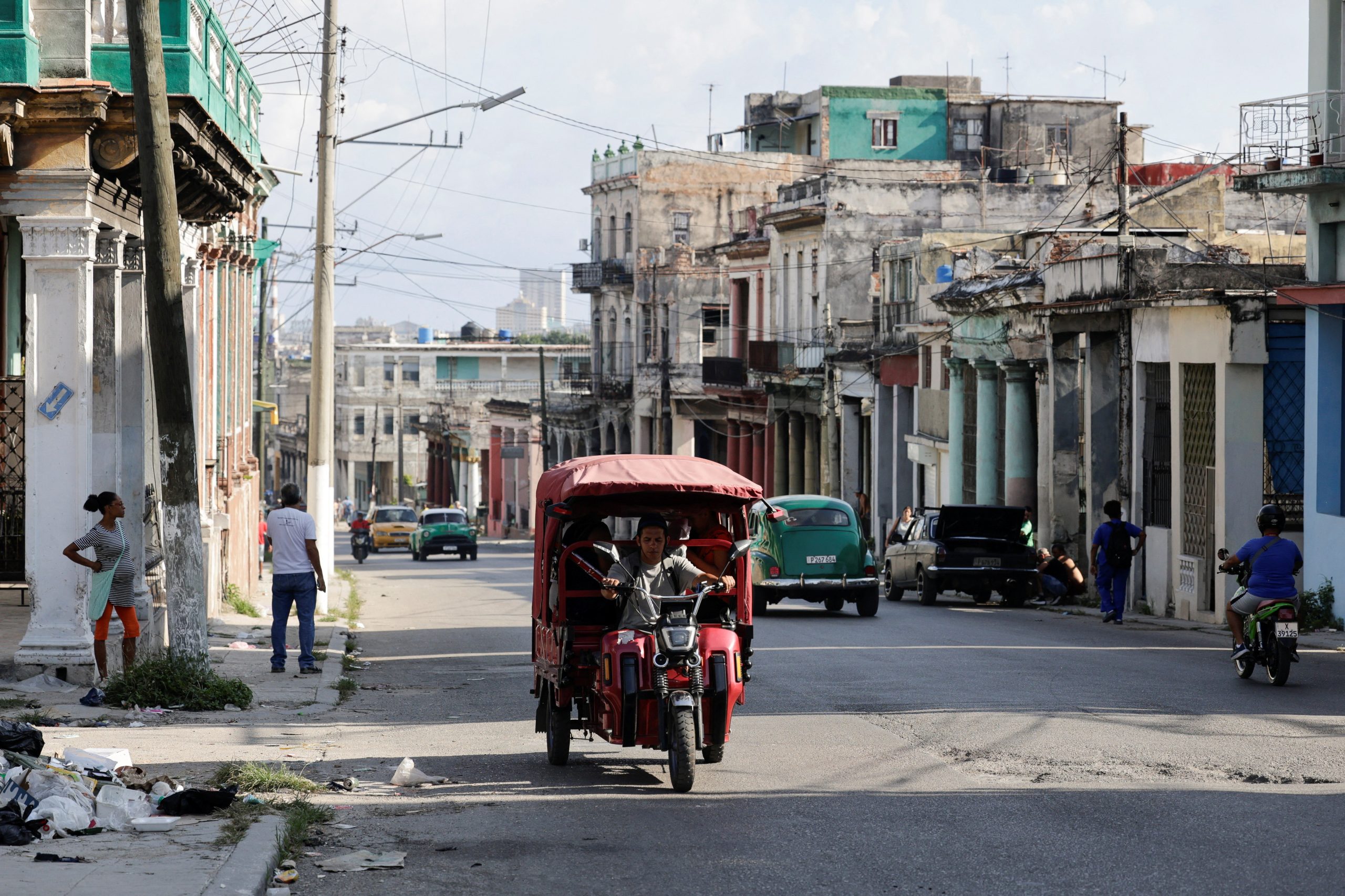
Cuba is facing its most severe energy crisis in decades, with Energy Minister Vicente de la O Levy stating that the country has now exhausted its diesel and fuel oil reserves used for electricity generation. In many parts of Havana and across the rest of the country, power outages now last between 20 and 22 hours per day, paralyzing essential parts of the economy and daily life.
The situation has triggered the largest protests in the capital since the crisis began in January, with hundreds of citizens taking to the streets, blocking roads, and chanting slogans such as “Turn on the lights.” According to eyewitness accounts reported by Reuters, many demonstrators stressed that they are not demanding regime change, but rather basic living conditions, as food spoils, elderly people suffer, and households are left without cooling or water during extreme heat.
Since January, when the United States halted oil shipments from Venezuela — Cuba’s main supplier — only Russia has sent significant fuel deliveries to the island.
The energy collapse is directly linked to the tightening of the U.S. oil embargo under the administration of Donald Trump. Since January, Washington has pressured Venezuela to stop fuel shipments to Cuba and threatened tariffs against any country continuing to supply the island. Since then, Russia has been the only country to carry out major fuel shipments to Cuba.
Meanwhile, John Ratcliffe, director of the Central Intelligence Agency, visited Havana carrying a proposal for $100 million in humanitarian aid. Washington insists that the aid must be distributed through “independent organizations” rather than the Cuban government — a condition that Havana views as political pressure amid an escalating humanitarian crisis.
Source: Reuters, BBC


 What is fyi.news?