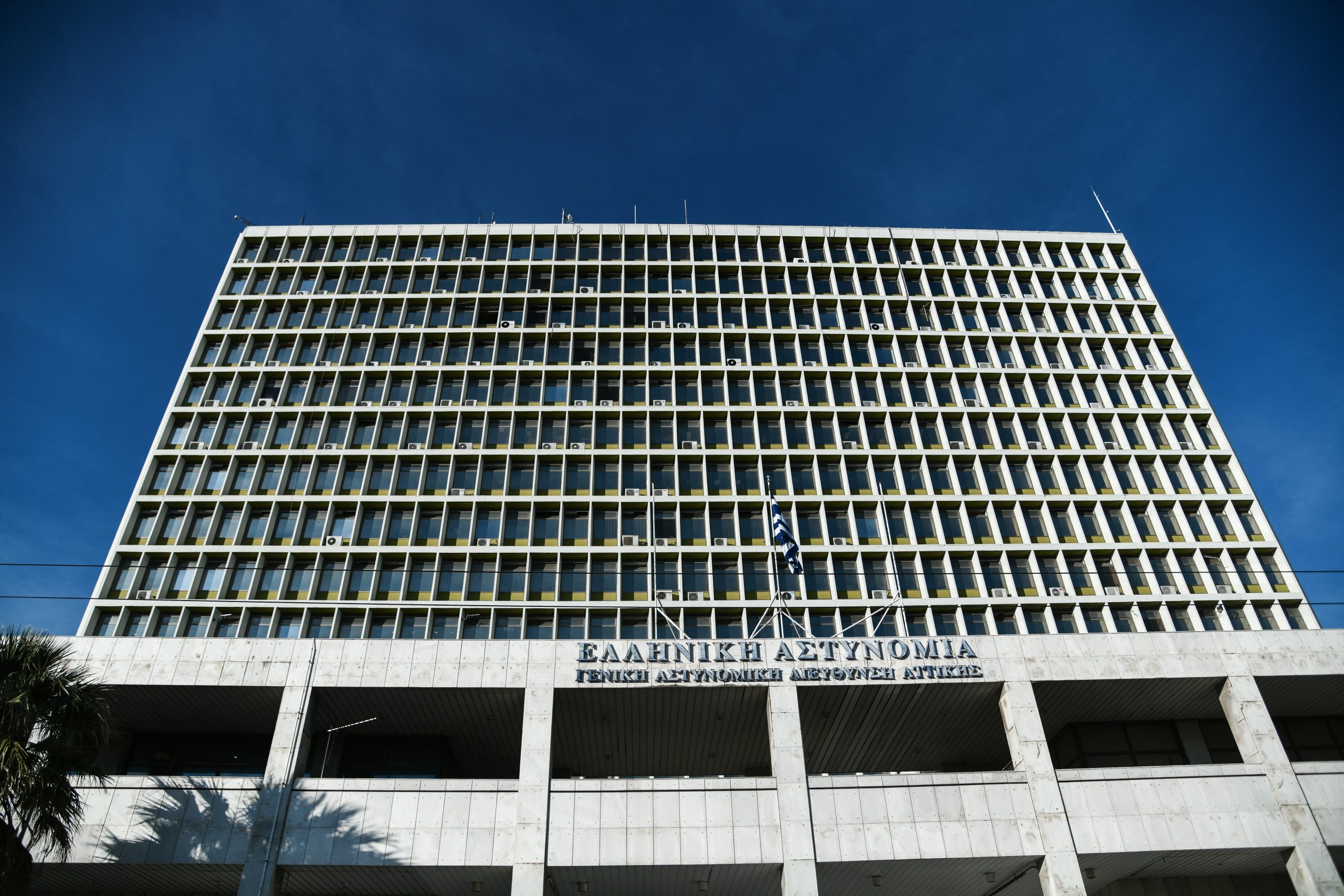
On Tuesday, the European Court of Human Rights unanimously found Greece in violation of Article 3 of the European Convention on Human Rights, ruling that the strip search of photojournalist Popi Melliou at Athens police headquarters amounted to degrading treatment. The court awarded her €10,000 in non-pecuniary damages and €875 in costs related to the domestic proceedings.
The incident took place on 27 February 2013. Melliou was taken to Athens police headquarters for an identity check after writing down the licence plate numbers of motorcycles belonging to officers from the DELTA police unit in Exarchia. She was neither arrested nor charged. After her identity was verified and she handed over the note, she was required to remove all her clothes, including her underwear, and undergo a visual search by a female police officer.
The case resulted in conflicting rulings by the Greek courts. In 2015, the Athens Criminal Court acquitted the officer who carried out the search but sentenced the head of the department and the duty officer to three-year suspended prison terms for a serious violation of Melliou’s dignity. The court found that a pat-down would have been sufficient and that the strip search was intended to intimidate and punish her.
In Greece, the officers were convicted at first instance, but the ruling was overturned on appeal on the grounds of “suspicions of preparations for a terrorist act.”
In 2018, the Court of Appeal overturned the ruling, finding that there were “serious suspicions of preparations for a terrorist act” and that the search had been necessary for security reasons. It acquitted the head of the department, while proceedings against the duty officer were discontinued because the statute of limitations had expired.
The ECHR, however, found that no link had been established between requiring Melliou to strip completely and the prevention of crime or disorder. It also noted that less intrusive measures, such as a pat-down, metal detector or body scanner, had not been considered. The lack of strict necessity was sufficient for the court to conclude that the treatment was degrading. It further noted that the absence of a lawyer heightened Melliou’s feelings of isolation, fear and inferiority.
Source: European Court of Human Rights (ECHR) , The Press Project


 What is fyi.news?