(fyiteam)

Hungary votes, all of Europe is watching

Add your Headline Text Here
@fyinews team

08/04/2026

Copy link
fyi:
  • Trailing by nearly 20 points
  • Who is Orbán
  • One of the most hardline voices in the EU
  • His relations with Russia
  • A reference point for the global far right
  • Who is Péter Magyar?
  • Magyar’s promises
  • How likely is he to win?
  • The election of the year for Europe
  • Sources

Trailing by nearly 20 points

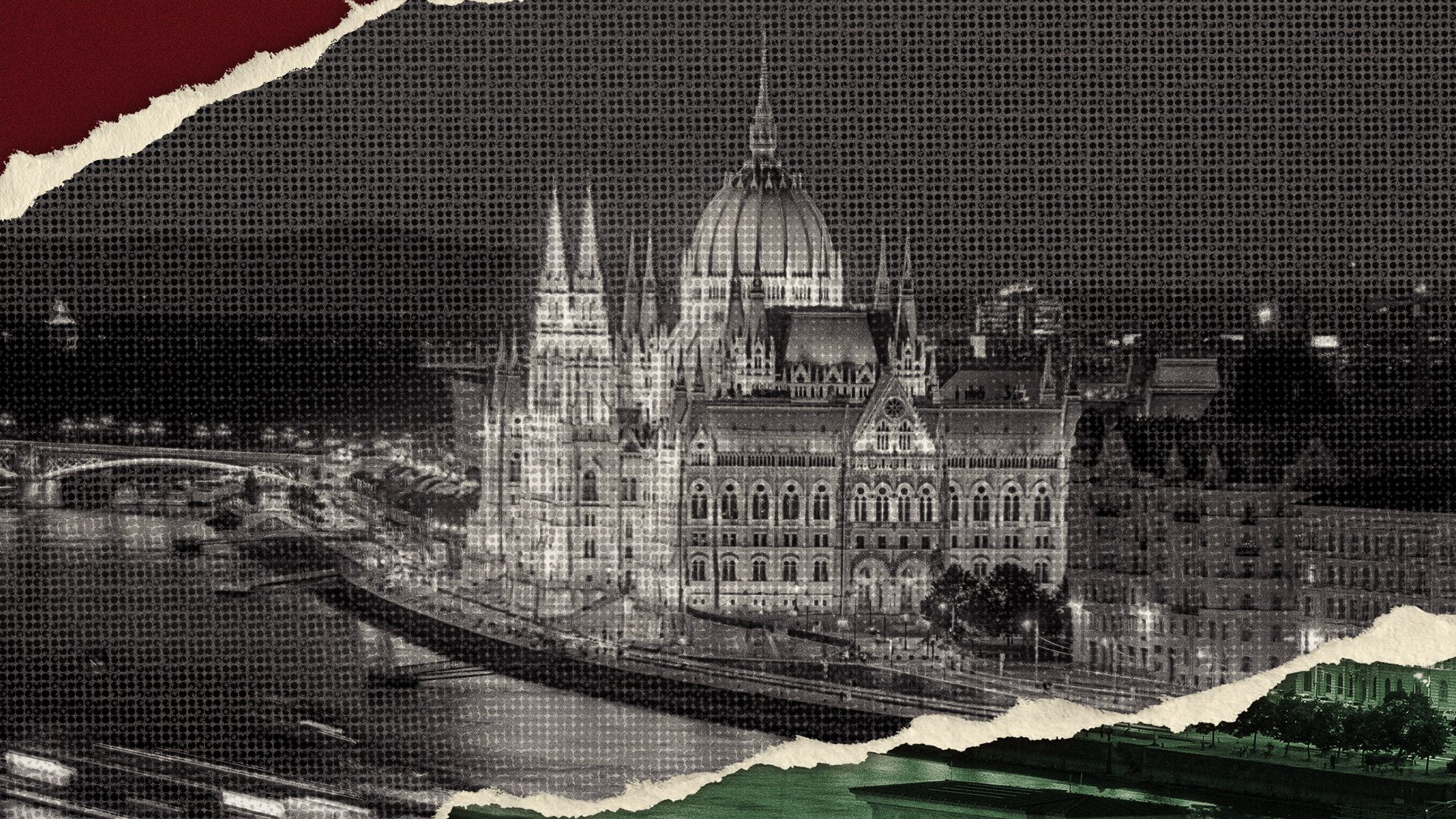
Hungarian Prime Minister* Viktor Orbán is facing the greatest challenge of his 16-year rule, as polls show the opposition leading by nearly 20 points ahead of the parliamentary elections on April 12.

Although the outcome remains uncertain due to a large share of undecided voters (26%), the center-right party “Tisza,” led by MEP Péter Magyar, has the support of 56% of decided voters, compared to 37% for Orbán’s “Fidesz.”

*Hungary is a parliamentary democracy, where executive power is exercised by the prime minister as head of government.

Who is Orbán

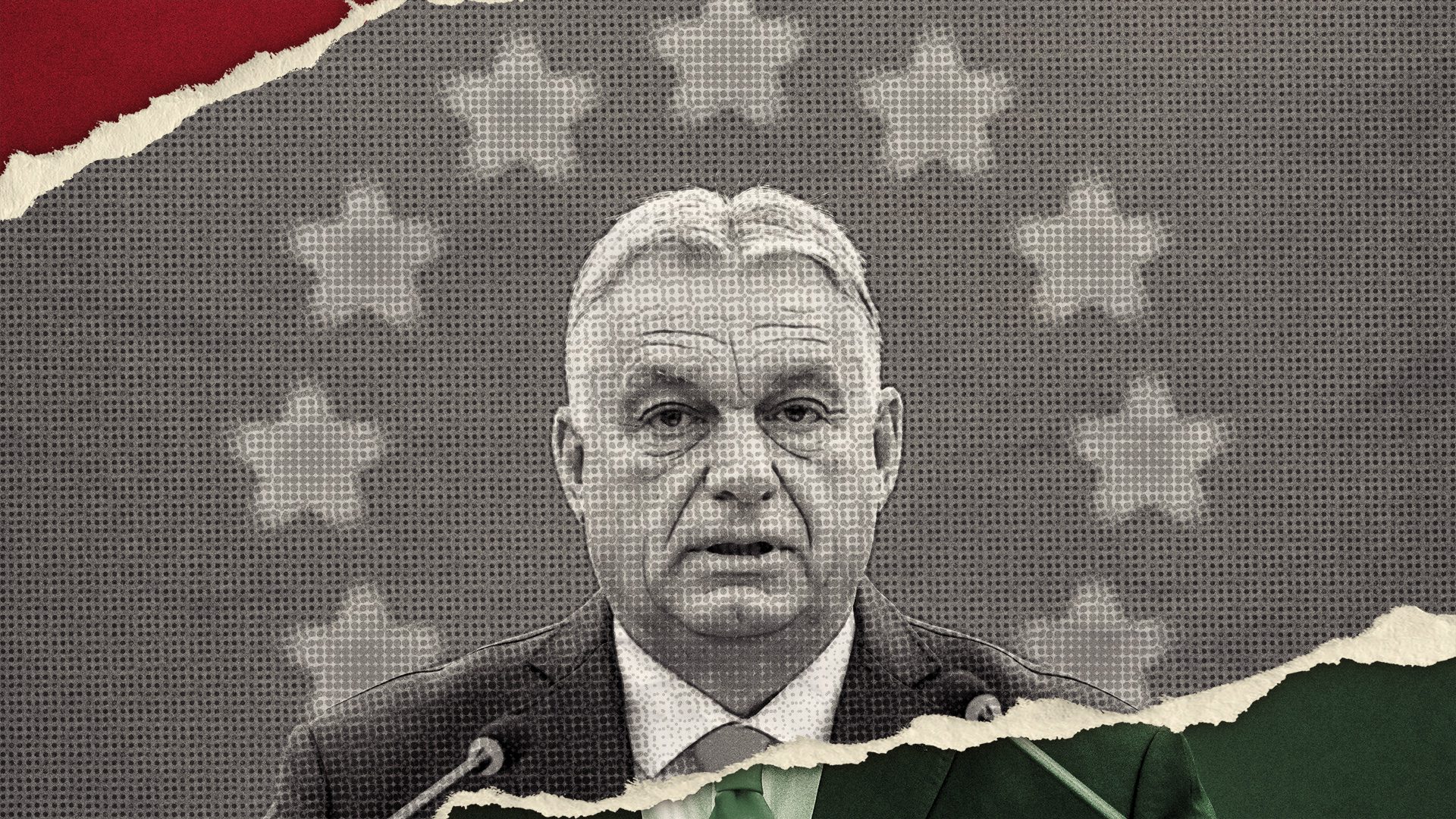
(Reuters/fyiteam)

The EU’s longest-serving leader, Orbán has, since 2010, reshaped Hungary into what he describes as an “illiberal democracy,” positioning himself as a defender of traditional Christian family values against Western liberalism and multiculturalism.

Across four consecutive terms, he has been accused of undermining the rule of law by placing loyalists in key judicial positions and turning much of the media landscape into a government-aligned system.

One of the most hardline voices in the EU

(Reuters/fyiteam)

Orbán is widely seen as one of the most hardline leaders in the EU and has repeatedly blocked funding worth several billion euros.

These funds were intended, among other things, for reforms in areas such as the judiciary, migration, LGBTQ+ rights, and, more recently, aid to Ukraine and sanctions against Russia.

His relations with Russia

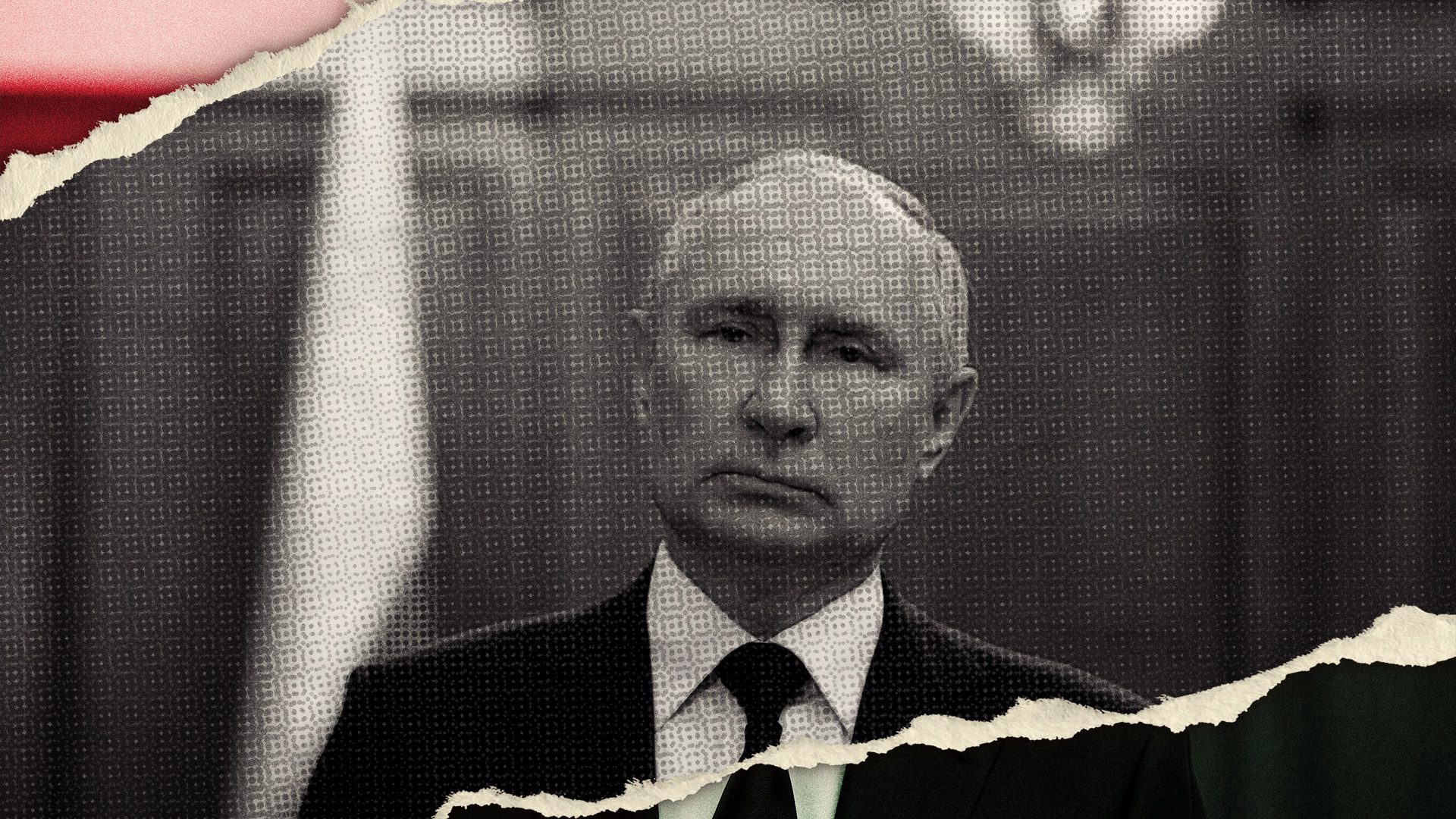
(Reuters/fyiteam)

He is considered the most pro-Russian leader in the EU, continuing to purchase Russian oil and natural gas and maintaining contact with Russian President Vladimir Putin even after the invasion of Ukraine.

Recent reports of alleged information-sharing between Hungary and Russia on EU-related matters have further strained relations with EU leadership.

A reference point for the global far right

(Reuters/fyiteam)

Orbán has become a reference point for far-right leaders in Europe, including Robert Fico in Slovakia and Andrej Babiš in the Czech Republic, while maintaining close ties with figures such as Marine Le Pen in France and Geert Wilders in the Netherlands.

Wilders has described him as a “lion,” while Italy’s Matteo Salvini has praised him as a “true hero.”

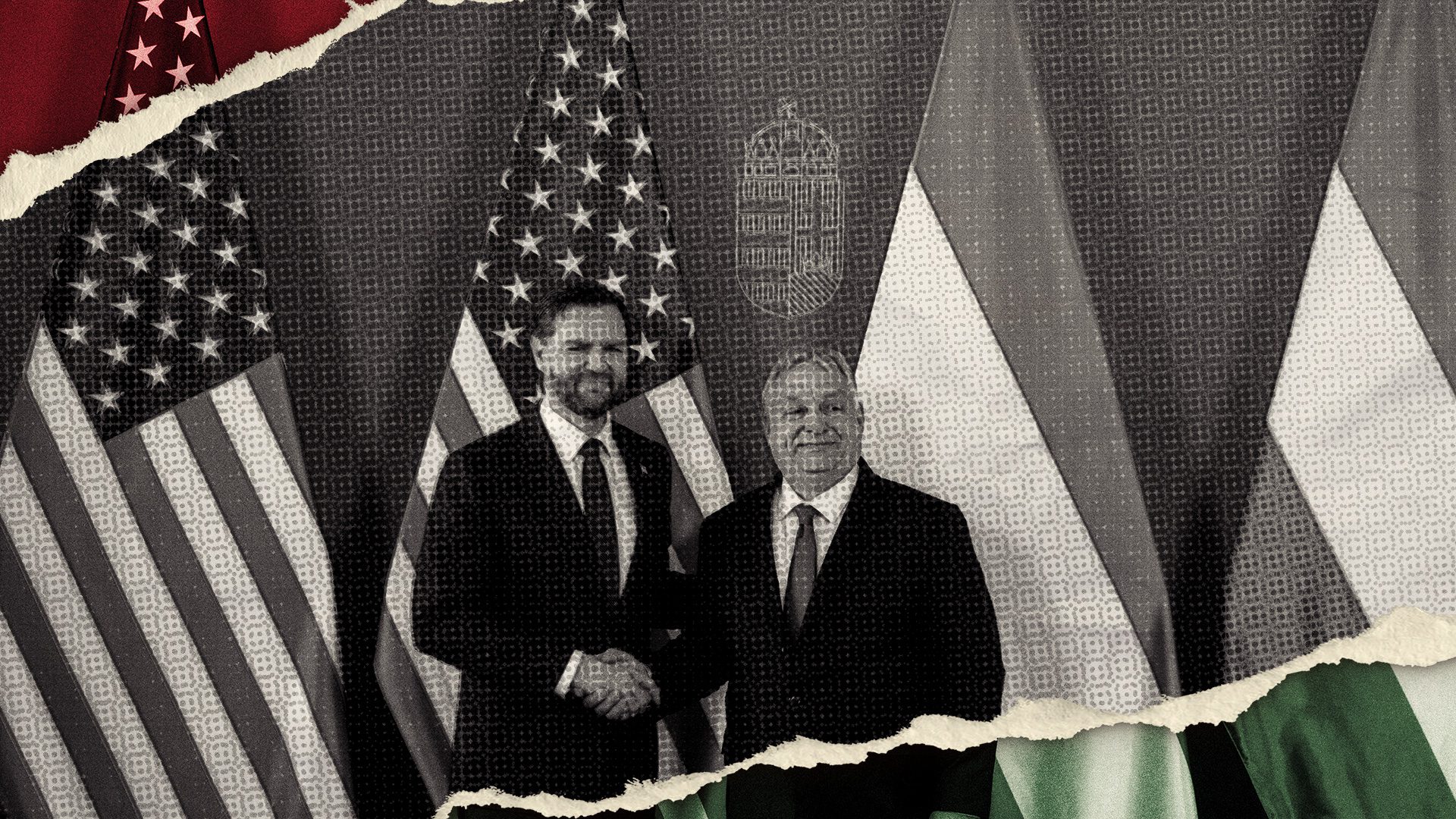
He has also received backing from Donald Trump (who sent Vice President J.D. Vance to Hungary in a show of support), as well as Giorgia Meloni and Germany’s Alice Weidel of the far-right AfD.

Who is Péter Magyar?

(Reuters/fyiteam)

The 45-year-old Péter Magyar is a former member of Fidesz and a one-time ally of Orbán.

He rose to prominence two years ago, gaining traction amid public outrage over a presidential pardon granted to a man convicted of child abuse.

He later broke with Fidesz, accusing it of corruption and propaganda, and founded the party “Tisza,” which won 30% of the vote in the 2024 European elections, placing second behind Fidesz.

Magyar’s promises

Magyar has pledged to return Hungary to a pro-European path, reduce its dependence on Russia, and restore trust in both the media—accused of fostering a “climate of fear” ahead of elections—and the judiciary.

He has also vowed to boost the economy, tackle corruption, stabilize public debt, and unlock frozen EU funds.

How likely is he to win?

During his 16 years in power, Orbán has introduced multiple changes to Hungary’s electoral laws, making a transfer of power more difficult—even in the event of an electoral defeat.

As a result, “Tisza,” despite leading in most polls (while pro-government pollsters place it second), may need a margin of around six points over “Fidesz” to secure a parliamentary majority.

The election of the year for Europe

The outcome will have consequences far beyond Hungary—a relatively small country that accounts for just 1.1% of the EU’s GDP and 2% of its population.

Under Orbán, Hungary has played a disproportionately influential role on the international stage.

A potential defeat for Orbán could shift the balance within the EU and weaken one of Russia’s key allies in Europe.

Sources

AD(1024x768)