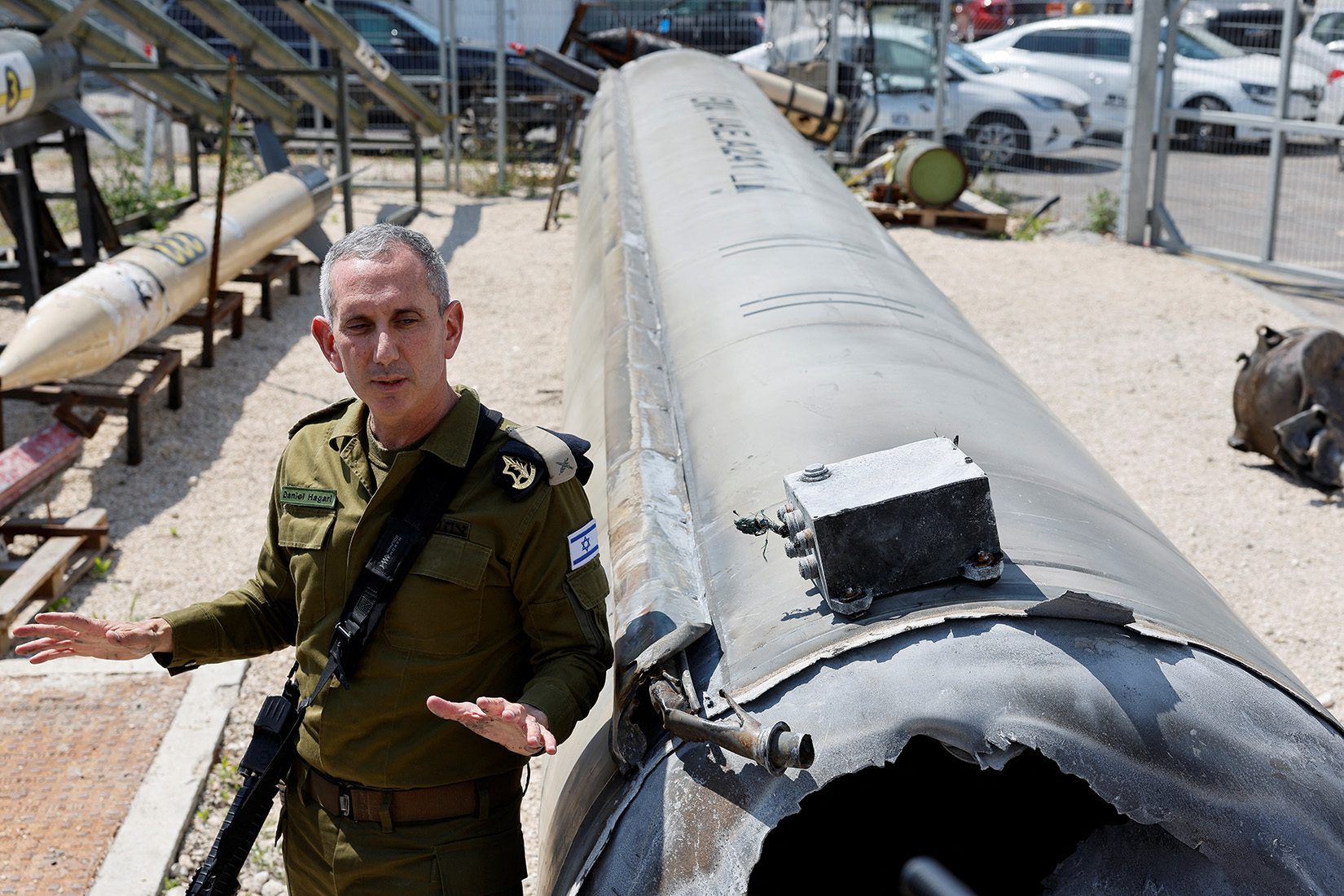
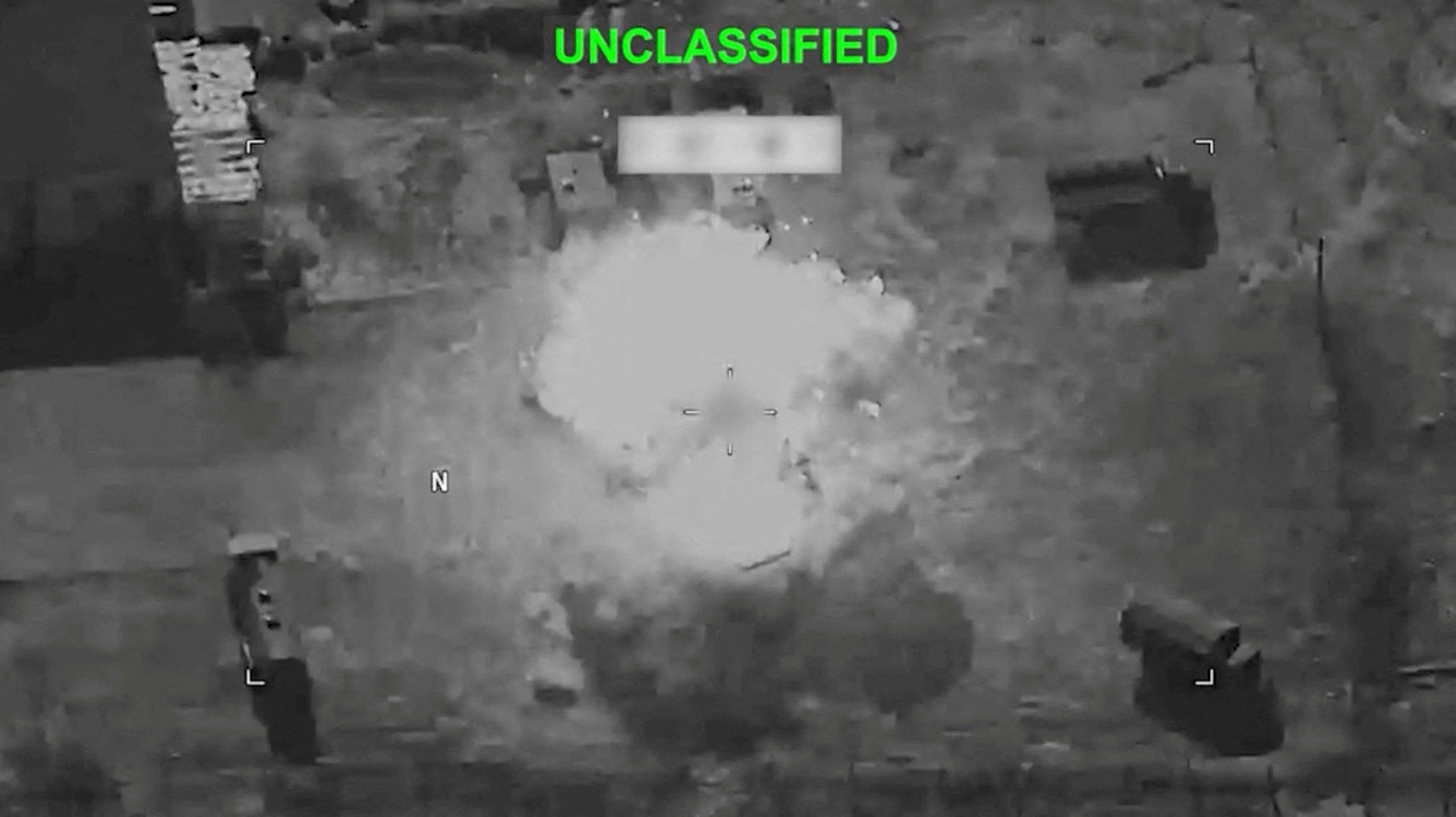
After three days of deliberation, Israel’s cabinet has not yet reached a decision regarding a response to the drone and missile attack.
The options being considered include striking an Iranian target in a third country (similar to Israel’s previous strike on the Iranian consulate in Syria, provoking Iranian retaliation), targeting a symbolic site within Iran, and conducting a cyberattack on Iranian infrastructure.
As Israel contemplates a potential military response, other nations advocate for de-escalation through diplomatic means with both parties involved.
Israel, having committed to a response, aims to diminish the probability of future attacks to uphold the backing of its allies, primarily the USA, and avoid escalation into a more significant conflict. However, all the options being weighed carry inherent risks.
Iran’s envoy to the UK has strongly asserted that Israel’s prime minister is actively trying to entangle the West in a far-reaching conflict throughout the Middle East, warning of potentially catastrophic repercussions for both the region and the global community.
Simultaneously, the US government is gearing up to implement fresh sanctions against Iran following its recent retaliation against Israel, as announced by the White House yesterday. The statement emphasized an expectation for allied nations to follow suit.


 What is fyi.news?