(fyiteam/Reuters)

Lebanon: Israel’s other war that never stopped

Add your Headline Text Here
@fyinews team

01/04/2026

Copy link
fyi:
  • When one war is not enough
  • The beginning of a new chapter
  • The ceasefire that was never upheld
  • The continuation of attacks
  • Evacuation zones and bombings
  • The “Gaza-fication” of Lebanon
  • The climate in Lebanon
  • Is history repeating itself?
  • Sources

When one war is not enough

As the war in Iran enters its second month, Israel has invaded Lebanon in order to drive out, as it says, Hezbollah, which is backed by Iran.

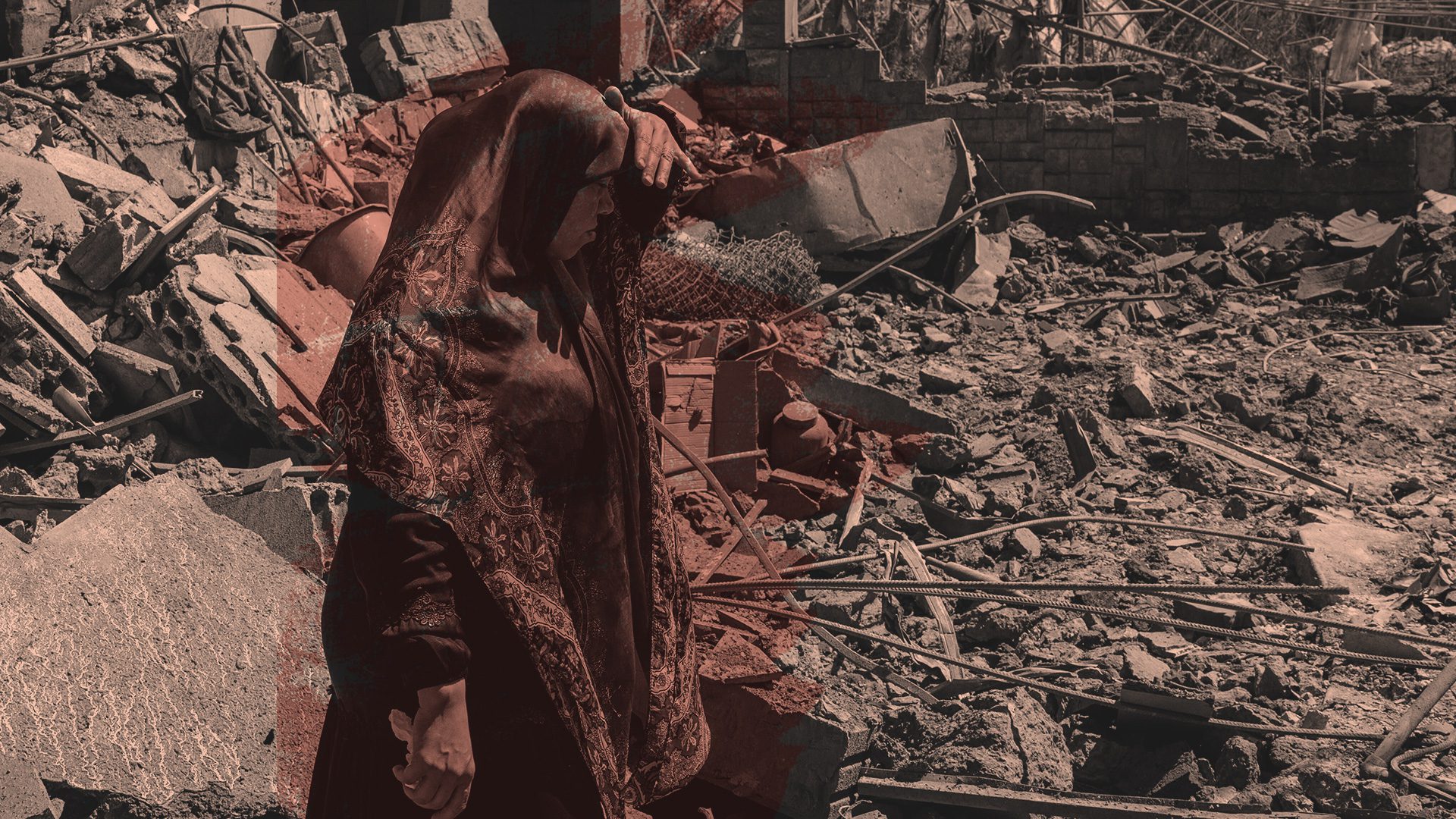
More than 1.2 million Lebanese (around one-fifth of the country’s total population) have been displaced, while yet another massive humanitarian disaster is unfolding in the Middle East.

The beginning of a new chapter

(fyiteam/Reuters)

The latest chapter of the Lebanese-Israeli conflict began with rocket launches against Israel, in retaliation for the assassination of Iran’s supreme leader, Ali Khamenei, on February 28.

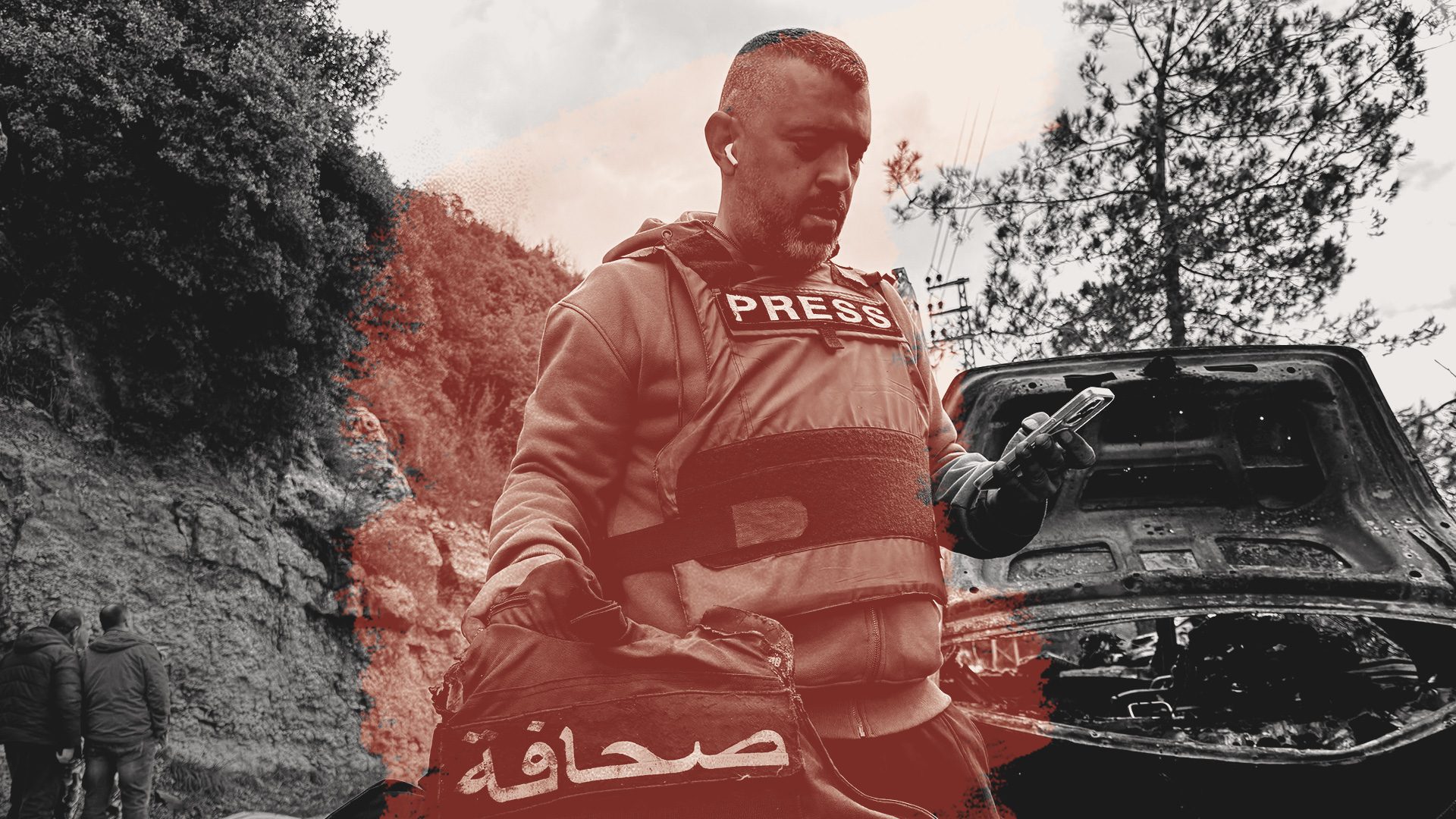
Since then, more than 1,200 people have been killed, including—just this past weekend—three journalists, ten rescue workers, and three UN peacekeepers.

The ceasefire that was never upheld

Israel has effectively been fighting Hezbollah since October 7, 2023, when the organization launched rockets against it as a sign of support for Hamas.

During this conflict, Hezbollah lost its long-time leader, Hassan Nasrallah, along with several of its members, amid simultaneous pager explosions across Lebanon.

In November 2024, the two sides reached a ceasefire agreement, which was upheld only by Hezbollah.

The continuation of attacks

Israel claimed that the reason for continuing the attacks was to prevent Hezbollah from regrouping.

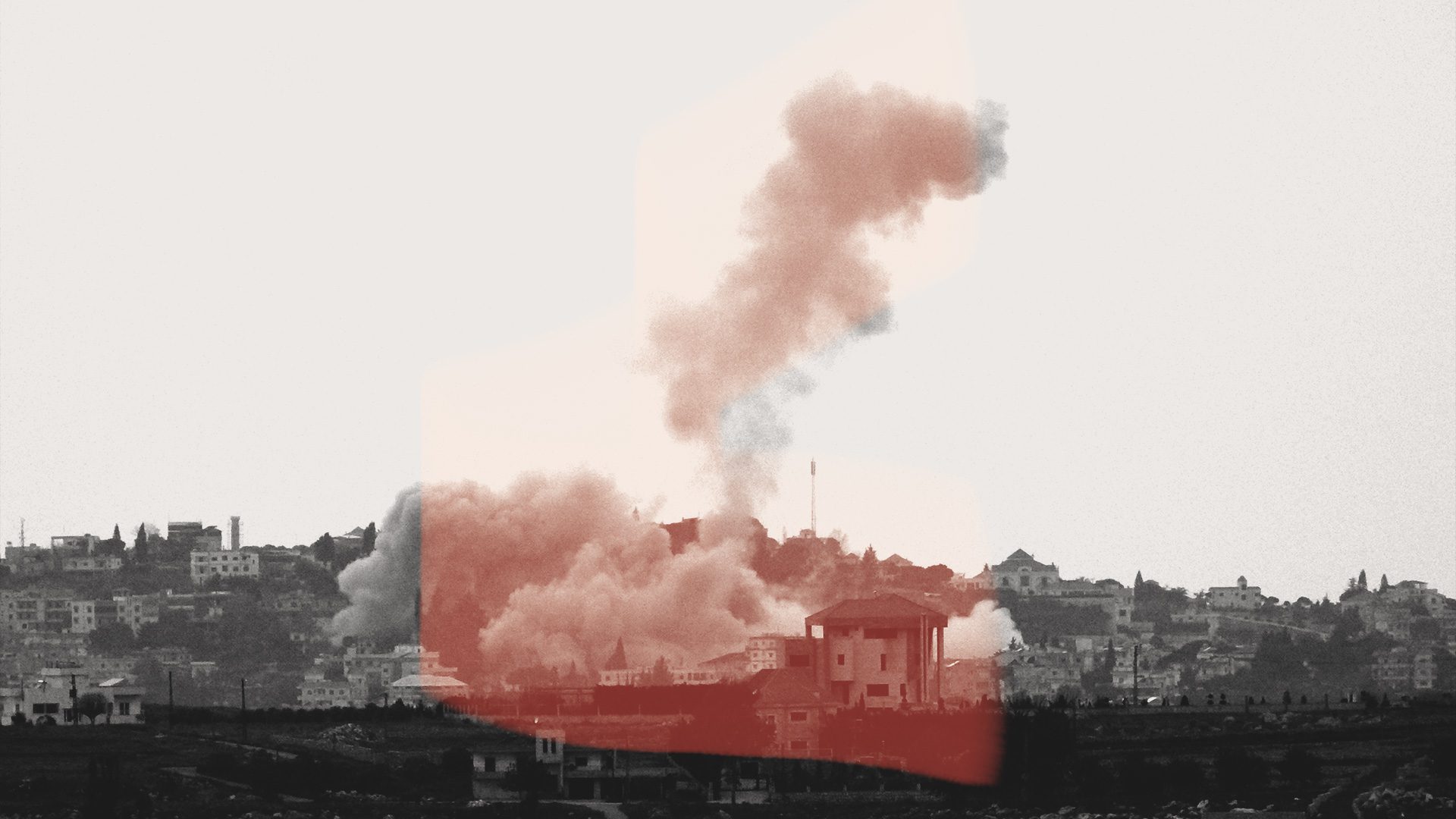
Its involvement in the Iran war gave Israel grounds to intensify its strikes in Lebanon, with consequences more destructive than in 2024.

Evacuation zones and bombings

(fyiteam)

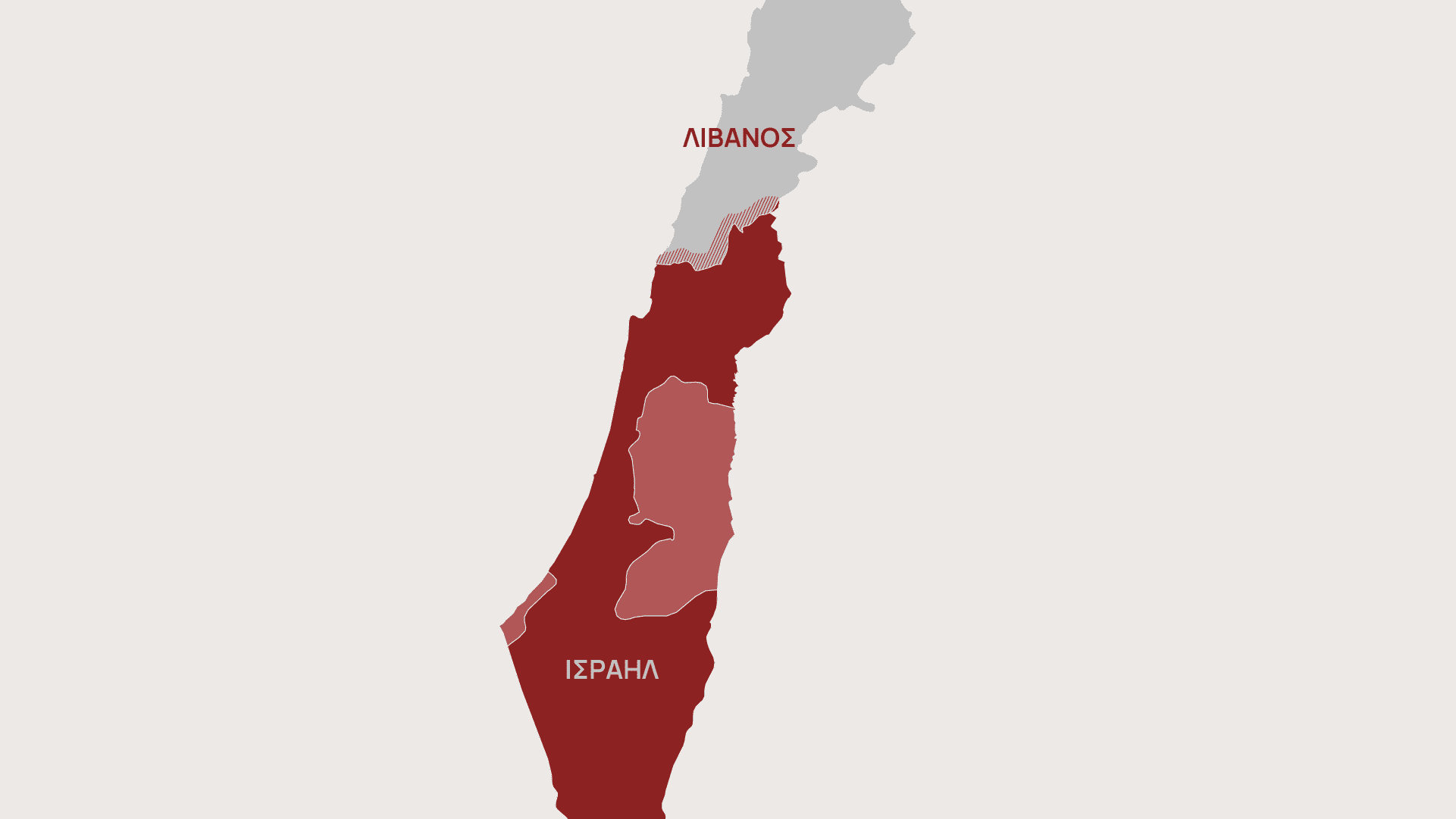
The first evacuation order by the Israeli army concerned a zone 16 km north of the Israel–Lebanon border.

It was then expanded to 24 km and now extends to a radius of 40 km, far exceeding the limits of previous evacuation orders.

In southern Lebanon, entire villages have been flattened, while in Beirut, bombings are not limited only to “areas controlled by Hezbollah” but reach the city center, often without warnings.

The “Gaza-fication” of Lebanon

Israeli officials openly speak of occupying a large part of southern Lebanon, emphasizing that Beirut’s southern suburbs, as well as the southern part of the country, “will soon resemble” Gaza.

Israel also announced that it will destroy all homes in Lebanese villages near the border, while the 600,000 people who left them will not be able to return “until security in northern Israel is ensured.”

The climate in Lebanon

(fyiteam/Reuters)

Even those who previously accused Hezbollah of dragging the country into wars through its actions have changed their stance.

The intensity of Israeli attacks has led the Lebanese population to offer partial to full support to the المقاومة (resistance) and, despite differences, to view Israel’s defeat as the only solution.

“Even those of us who are not with Hezbollah are now with the resistance,” protesters told a Greek delegation that visited Lebanon.

Is history repeating itself?

The last time Israel invaded and occupied large parts of southern Lebanon was in 1982, in an effort to limit the use of Lebanese territory as a base of operations by Palestinian groups.

The Israeli occupation lasted 18 years and remains deeply etched in the collective memory of the Lebanese people.

Hatred toward the occupier contributed to the emergence (in the early 1980s) of an armed organization aimed at resisting Israel.

That was Hezbollah.

Sources

AD(1024x768)