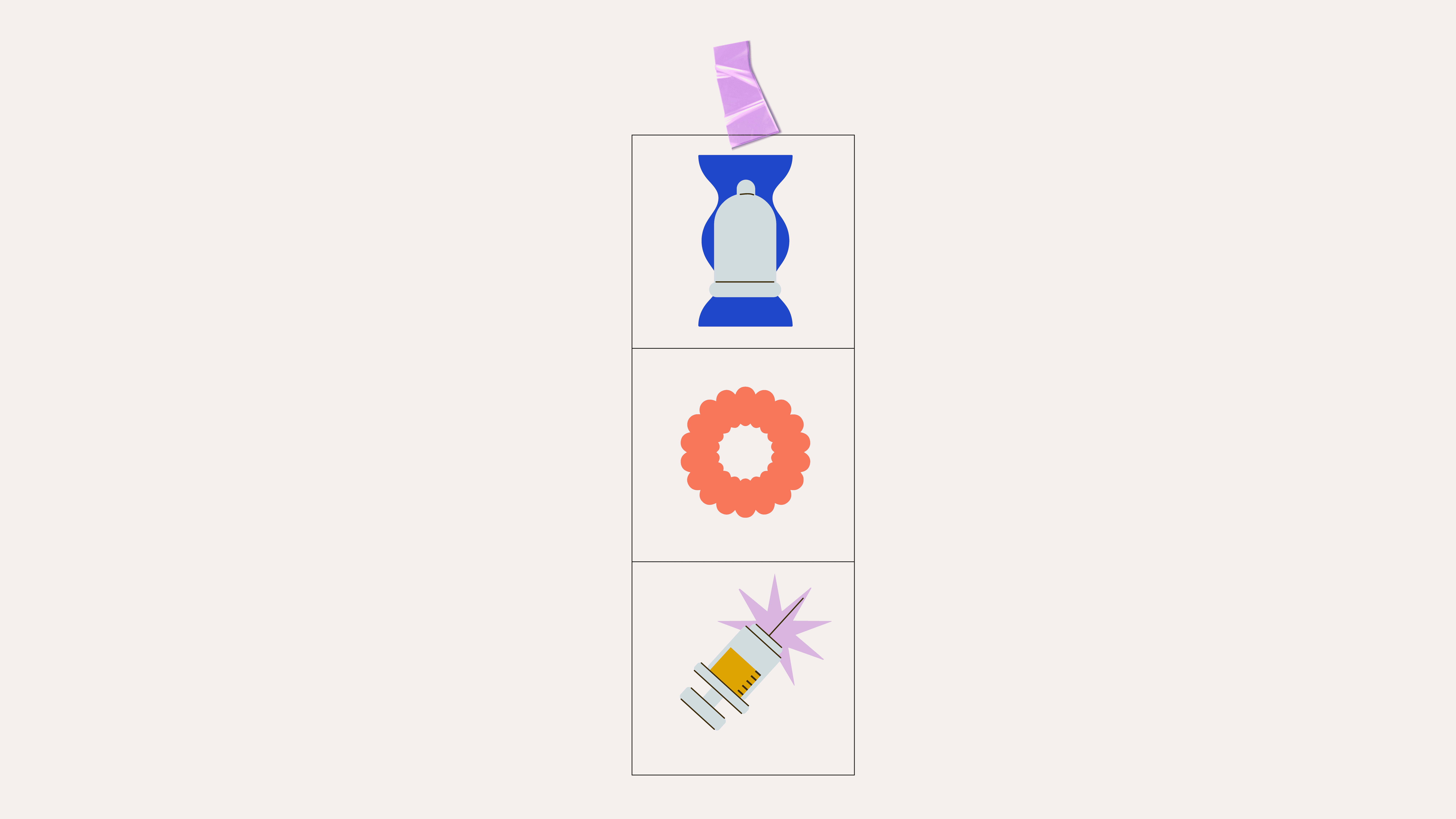
STIs: Don’t worry, go ahead and read on; you won’t catch them from reading

Add your Headline Text Here
@fyinews team

21/07/2024

Copy link
fyi:

• What are STIs?
• How are they transmitted?
• What are the symptoms of STIs?
• What should you do if you have symptoms?
• That awkward phone call
• Why are STIs a global public health issue?
• How can I avoid contracting them?
• STI contact line
• Sources

What does STI stand for?

(fyiteam)

Sexually Transmitted Infections (STIs), which are diseases and infections transmitted through sexual contact, including vaginal, anal, and oral sex.

Syphilis, gonorrhea, trichomoniasis, chlamydia infections (the most common), genital herpes, pubic lice (pediculosis), bacterial vaginosis, infections with the human papillomavirus (HPV), hepatitis A, B, and C, and HIV infection.

How are they transmitted?

(fyiteam)

Depending on the microorganism, they can be transmitted:

• Through bodily fluids (vaginal fluids, semen)
• Through contact with skin lesions
• Through close skin-to-skin or mucous membrane-to-mucous membrane contact.

What are the symptoms of STIs?

(fyiteam)

STIs often present no symptoms. However, some of the most common symptoms are:

• Painful urination
• Pain during intercourse
• Abnormal discharge from the genitals
• Rashes and skin lesions, especially in the genital, anal, or oral areas
• Pain or itching in the genital area, anus, or lower abdomen
• Fever, weakness, joint pain

What should you do if you do have symptoms?

(fyiteam)

First and foremost, DO NOT Google them.

You should definitely see a dermatologist or a specialist in sexually transmitted infections. They will diagnose the condition and recommend further tests such as blood, urine, and vaginal fluid analyses to detect the pathogen.

Most STIs are treatable. Some are treated with antibiotics and antivirals, while those caused by viruses (hepatitis, HPV, HIV) require longer-term treatment.

That awkward phone call

(fyiteam)

Notify the people you’ve had sexual contact with recently.

No, you don’t need to call Mary from prom night senior year unless you’re still in touch.

If making a phone call feels too difficult, you can always just send a text.

Why are STIs a global public health issue?

(fyiteam)

According to the WHO:

• Greece has seen a 120% increase in cases of early syphilis and gonorrhea between 2020 and 2022.
• Every day, one million people contract an STI, with most remaining asymptomatic.

The European Centre for Disease Prevention and Control (ECDC) reports that from 2021 to 2022:

• Gonorrhea cases increased by 48%, Syphilis cases rose by 34%, and Chlamydia cases went up by 16%.

How can I avoid contracting them?

(fyiteam)

If you are sexually active, then:

• Use condoms: during vaginal, anal, or oral sex.
• Get vaccinated: Vaccines for preventing Hepatitis A and B and certain types of HPV are available.

In Greece, since 2022, the HPV vaccination has been included in the National Immunization Program and is recommended for both boys and girls starting at age 9

STI contact line

If you have contracted an STI, there is no need to panic, as all STIs can be treated. Get well soon—and you will.

If you are in Greece, you can call the “A. Syggros” Hospital helpline on 210-72.22.222 for assistance

Sources

WHO

ΕODY [1], [2]

Mortakis Clinic

AD(1024x768)