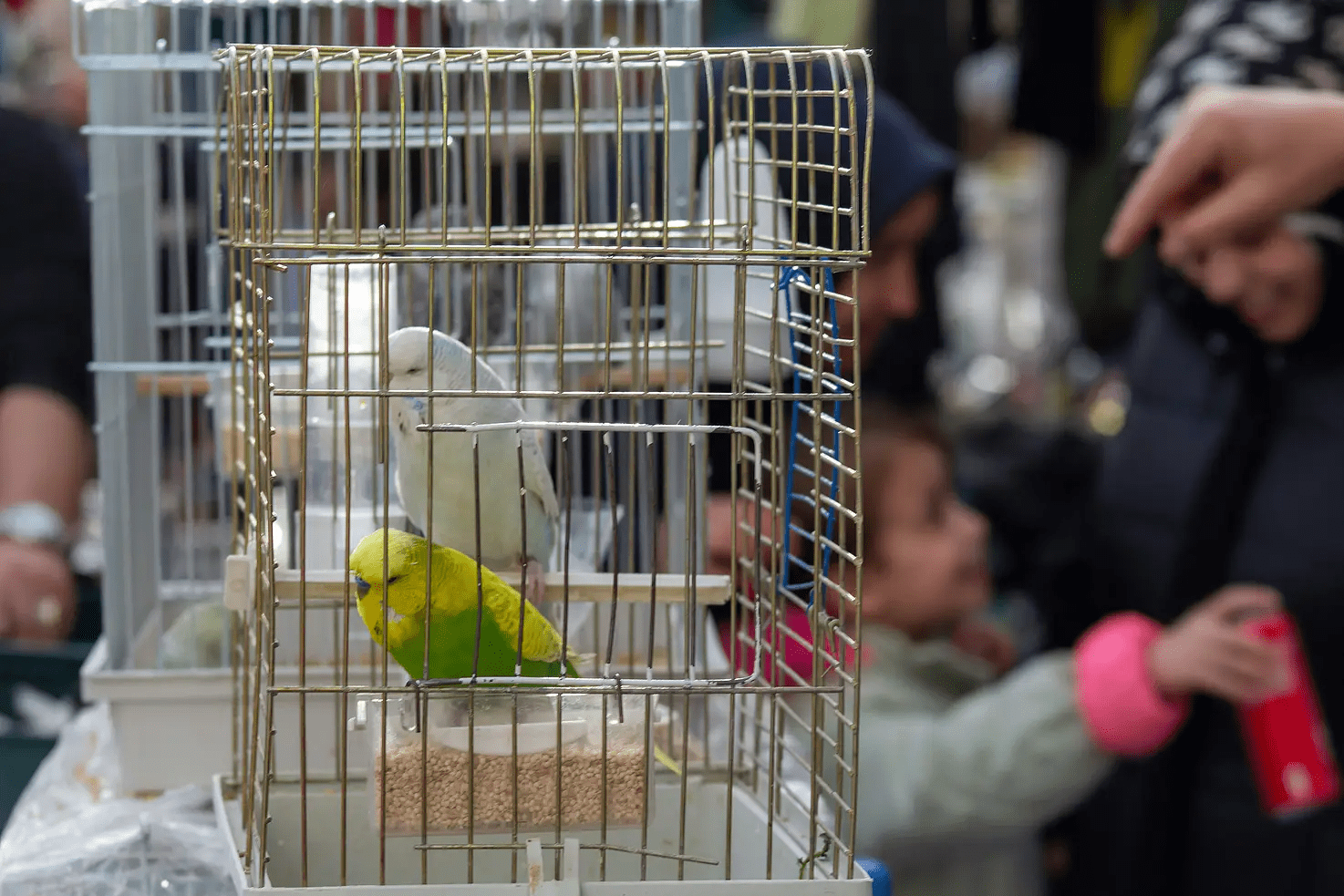
A WWF study documents the existence of illegal wildlife trade (captivity, breeding, sale) in Greece, primarily involving protected birds such as cardinals, chaffinches, and linnets.
It is linked to factors such as the high concentration of bird populations in Greece (especially during migration periods), the relatively easy and cheap trading process, the mistaken perception in the country that wild birds are pets, the lack of government controls in online and physical markets (e.g., at Schisto), and the limited public awareness of the consequences.
Additional factors such as understaffed forest services, lack of data recording, and absence of policy exacerbate the illegal trade of many wildlife species in the country. Butterflies, turtles, snakes, scorpions, and ants of Greek origin have been found on Greek and European online marketplaces.
Illegal wildlife trade is the fourth most profitable activity of organized crime globally, generating over €18 billion per year.
However, wildlife trade does not concern only fauna. Plants are also targeted, such as wild orchids, which are illegally collected for sale in northern Greece and subsequently used for the production of salep.
Wildlife trade undermines the biodiversity of ecosystems by removing species from their habitats, affecting human quality of life and impacting sectors such as agriculture and pharmaceuticals.
Source: WWF Greece


 What is fyi.news?