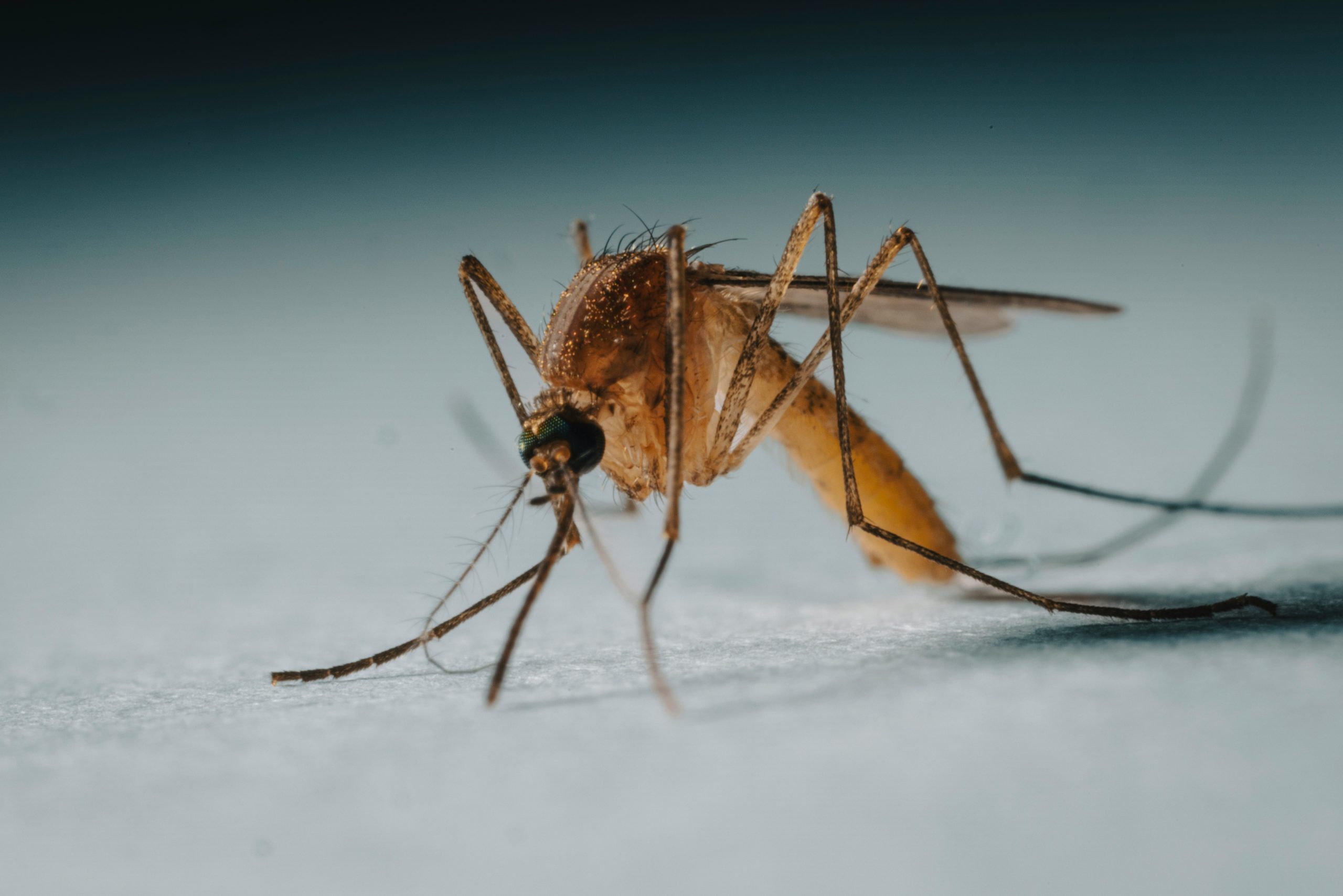
Google has requested permission from U.S. authorities to release up to 32 million sterile male mosquitoes in California and Florida as part of its Debug project, which aims to reduce populations of mosquitoes that transmit serious diseases.
According to an application currently under review by the U.S. Environmental Protection Agency (EPA), the company plans to release up to 16 million mosquitoes annually over a two-year period. A final decision is expected after the public consultation process is completed.
The program focuses on the Aedes aegypti species, which is responsible for spreading diseases such as dengue fever, Zika virus, yellow fever, and chikungunya. The mosquitoes to be released are exclusively male, meaning they do not bite humans or transmit disease.
The method relies on the naturally occurring bacterium Wolbachia. When infected male mosquitoes mate with wild female mosquitoes, the eggs produced do not hatch, leading to a gradual reduction in the mosquito population from one generation to the next. The technique has been used internationally for decades as an alternative to large-scale insecticide spraying.
The method itself is not new and has been in use for decades; Google’s contribution lies in using sensors to determine where and how many mosquitoes should be released.
The company’s innovation is not the biological approach itself, but the technology used to implement it. Through sensors, data analysis, and artificial intelligence systems, Google seeks to calculate more precisely where releases should take place and at what density.
The approach has already been tested in Singapore, where authorities report a significant reduction in both Aedes aegypti populations (80%–90%) and dengue fever cases (70%).
Source: Guardian


 What is fyi.news?