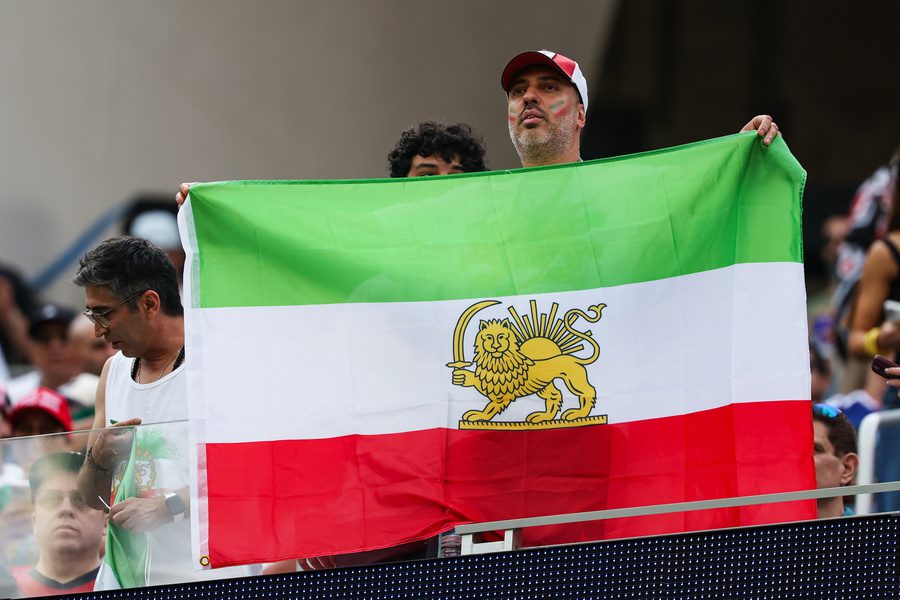
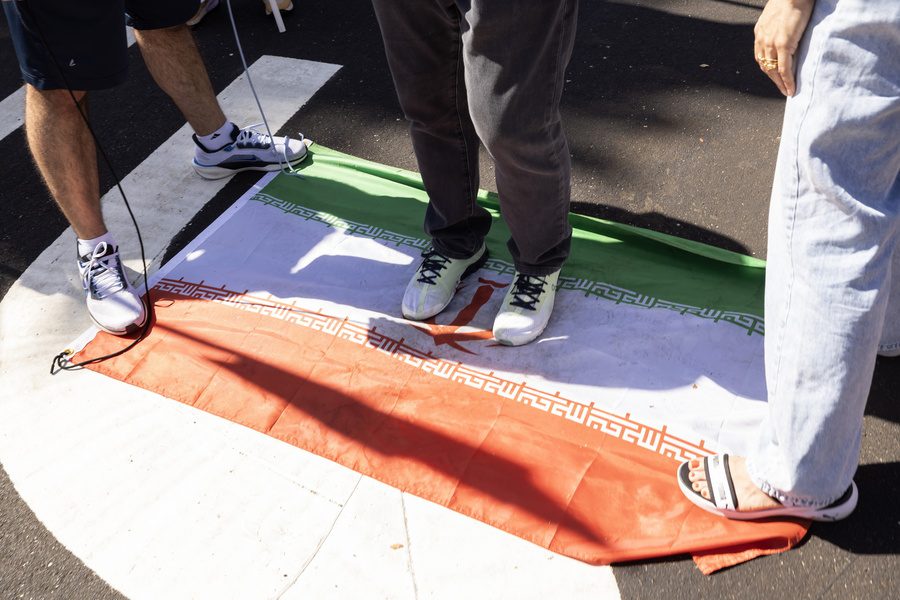
Football and politics have always been closely linked in Iran, regardless of who has ruled the country: the Shah, an American puppet, or the Ayatollahs, whose followers seized the US embassy in Tehran and held American diplomats hostage for 444 days.
Football first arrived in Iran nearly 130 years ago with the British, who controlled oil operations in the country’s south. In 1941, the Iranian national team played its first official match in a FIFA competition. Although wrestling remains Iran’s traditional national sport, football has become the country’s most popular game over the past seven decades, making it an increasingly sensitive political issue.
Even the names of Iran’s football clubs reflect that political history. The capital Tehran’s two biggest teams are good examples. Before the 1979 revolution, the Blues’ official name was Taj, meaning “crown,” and they were supported by the royal court. After the revolution, the club was renamed Esteghlal, meaning “independence.” Their rivals, the Reds, were known as Persepolis, a reference to the 2,500-year history of the Iranian monarchy. After the revolution, when symbols of the monarchy were banned, the team was renamed Pirouzi, meaning “victory.”
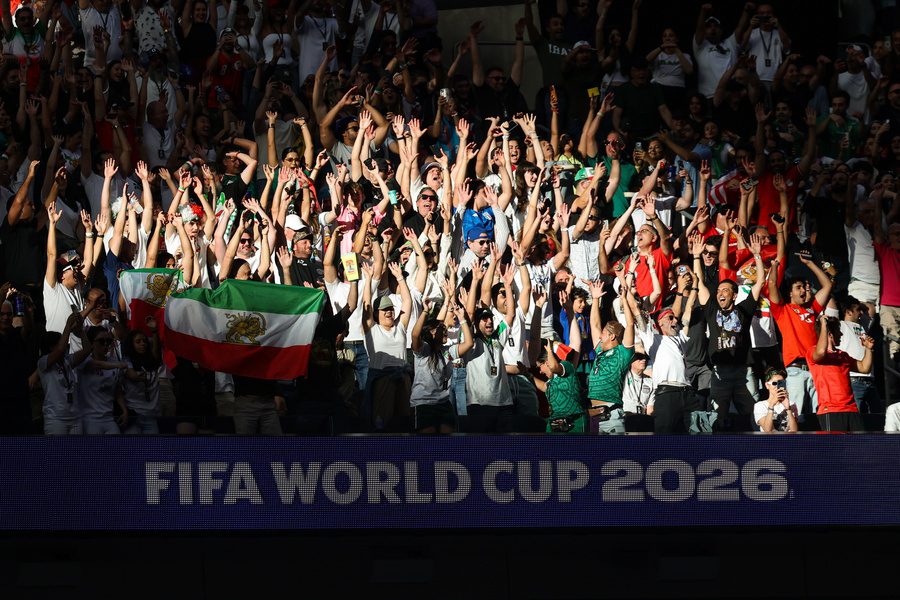
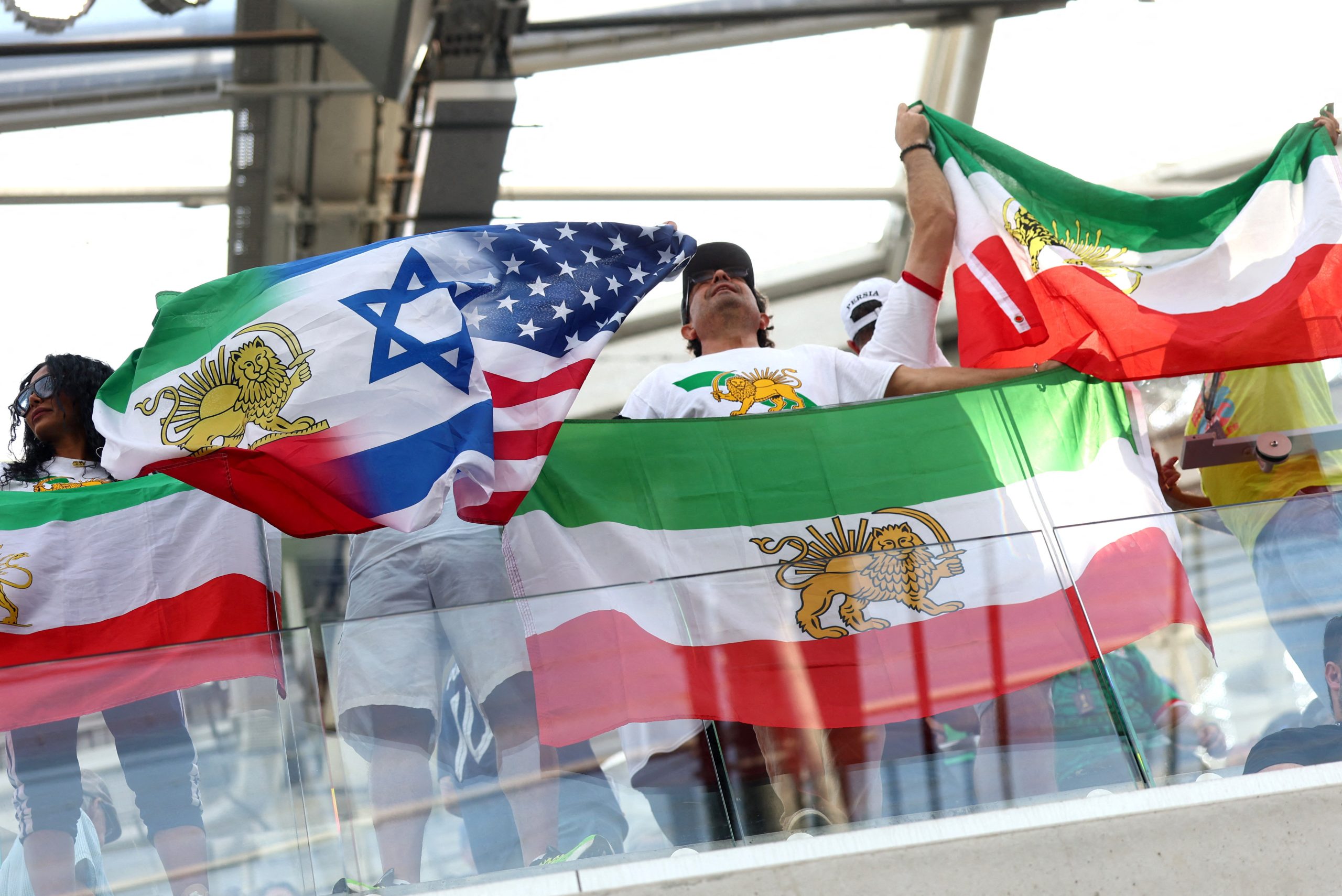
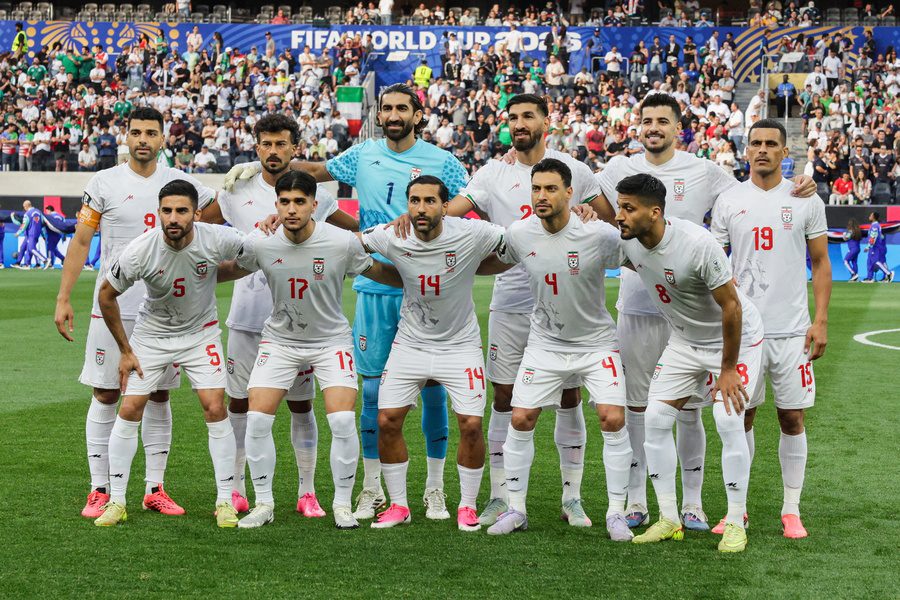
In recent years, however, the connection between football and politics has taken on a new dimension. During the 2026 World Cup, the war that the US and Israel launched against Iran had a major impact on both politics and football. This time, the issue extended beyond Iran’s borders. It was not only the Iranian people and politicians who became involved. Politicians in the US, Canada and Mexico also inflicted heavy pressure on Iran over visas, accommodation and training facilities for their national team.
Here are some of the most significant moments when football and politics collided in Iran.


 What is fyi.news?