(fyiteam)

A brief history of the Prosfygika on Alexandras Avenue

Add your Headline Text Here
@fyinews team

26/06/2026

Copy link
fyi:
  • When were they built?
  • The following years
  • Protected heritage status
  • The first restoration attempts
  • Abandonment, drugs, and life again
  • What do “Anaplasi” and the Region say?
  • What does the community say?
  • Who lives in the Prosfygika now?
  • The hunger strike
  • The City Council resolution and what comes next
  • Sources

When were they built?

(fyiteam)

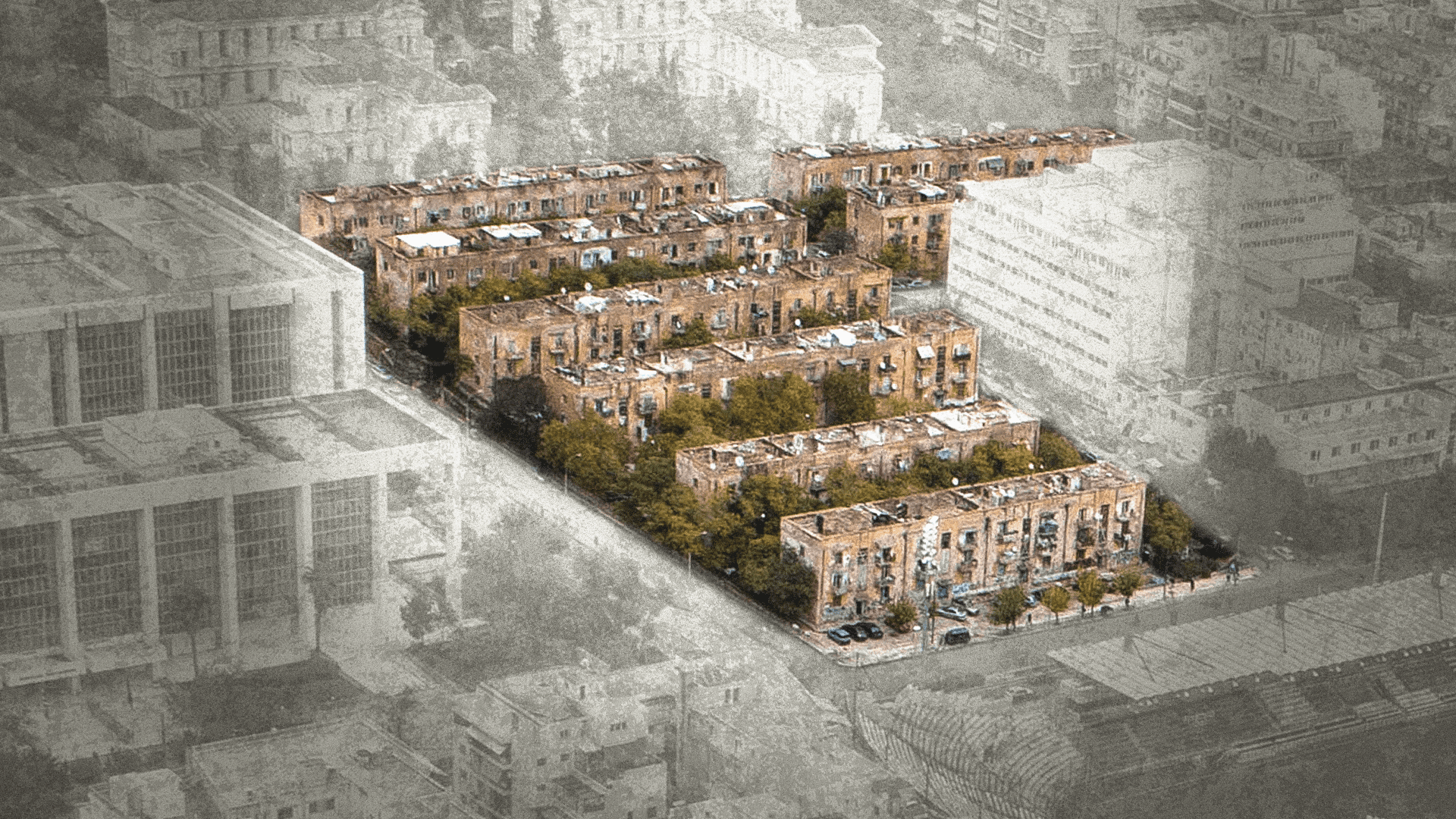
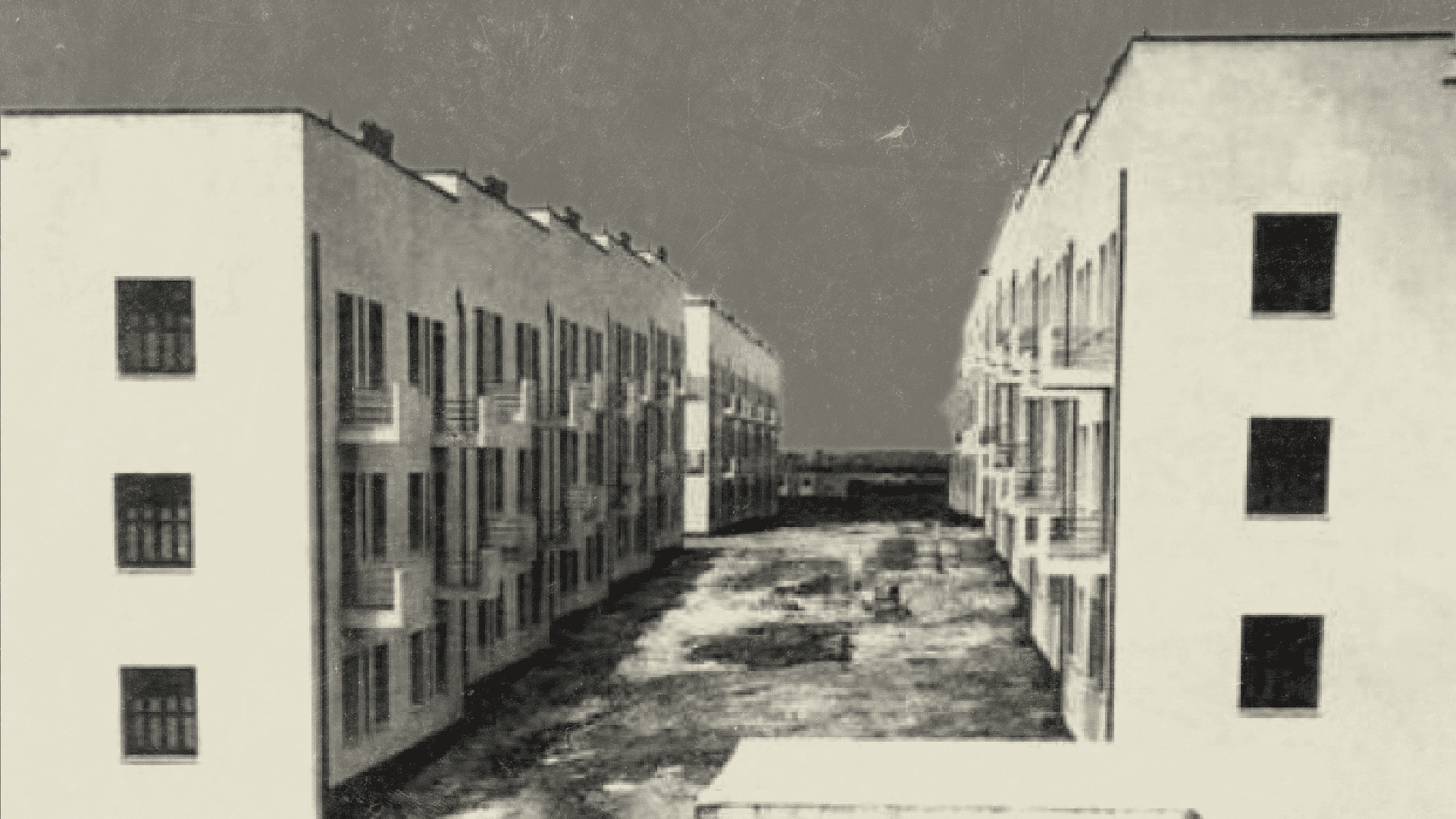
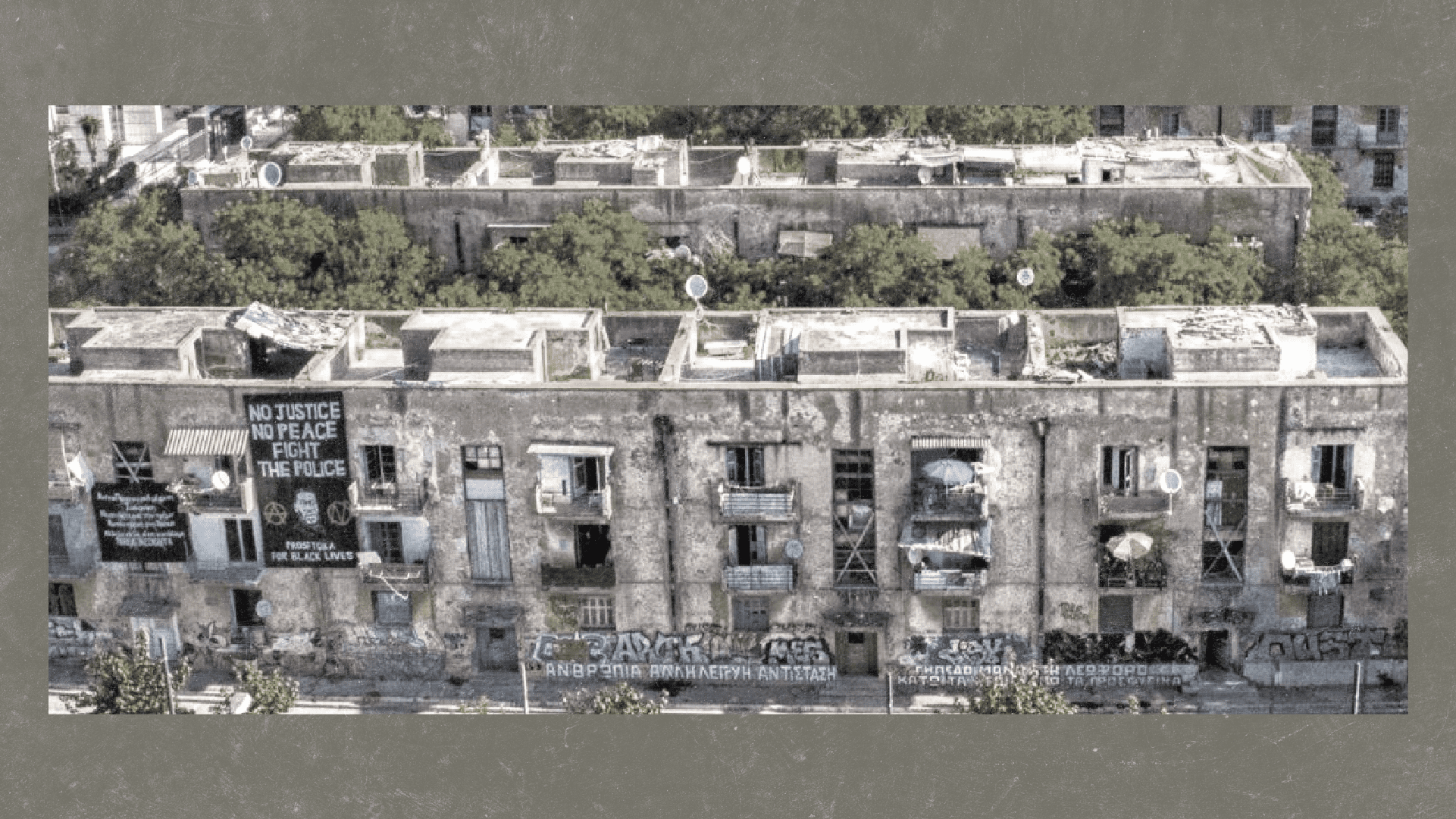
The refugee housing blocks on Alexandras Avenue were built between 1933 and 1936 to house some of the 1.5 million refugees of the Asia Minor Catastrophe.

They are a complex of 8 apartment buildings and 228 apartments, each measuring 50–55 square meters.

They are among the most important architectural works of the 20th century in Greece, built in the Bauhaus style, and were constructed by civil engineer Dimitrios Kyriakos and architect Kimon Laskaris.

The following years

(fyiteam)

The apartments, pioneering for their time, were purchased on favorable terms by families from Asia Minor and Pontus after a lottery.

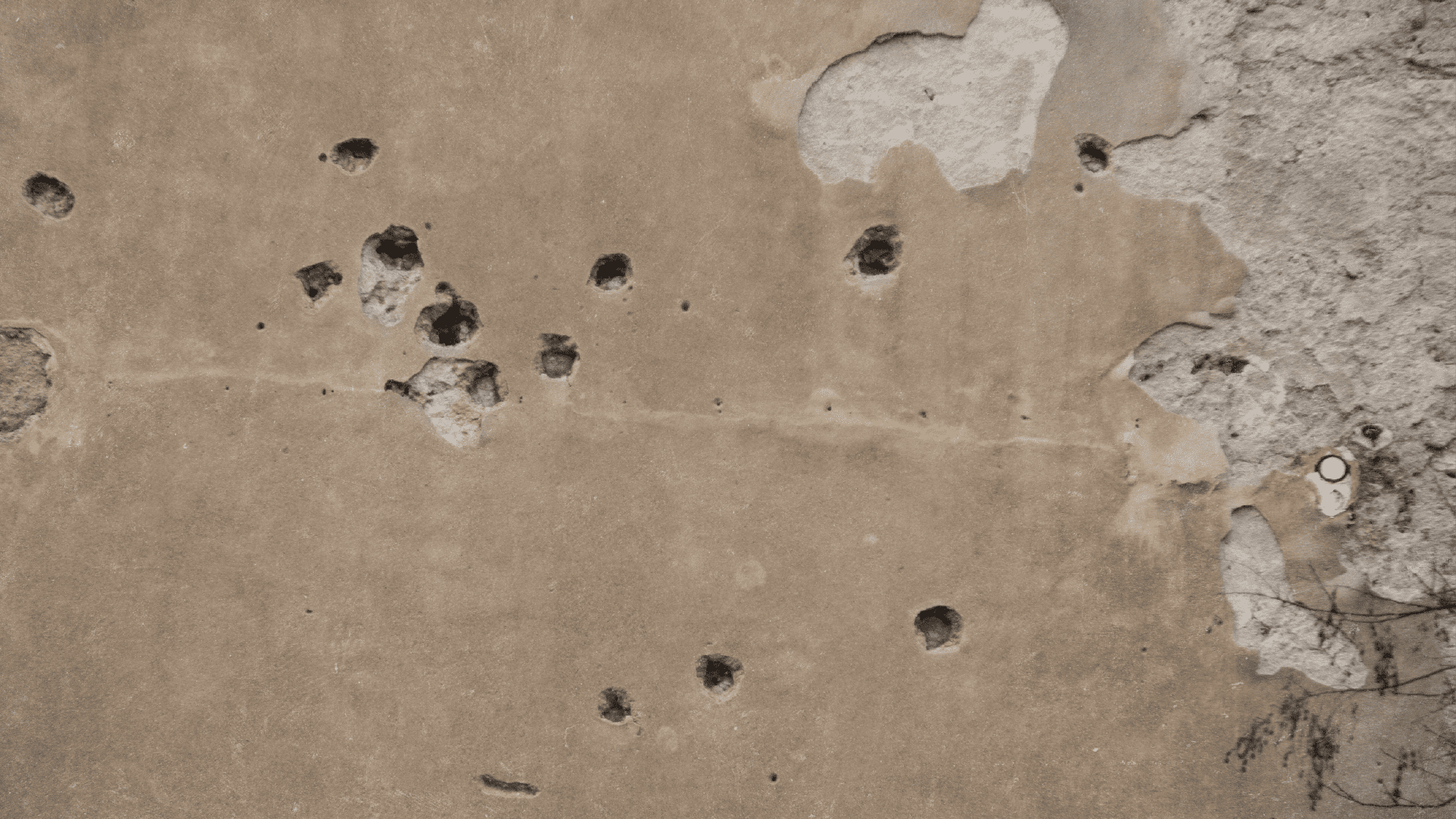
In 1944, during the Dekemvriana*, they became a battlefield between British/government forces and EAM/ELAS, as shown by the bullet marks on the walls.

In the years after World War II, residents began to leave the refugee apartment blocks.

*Armed clashes that took place in Athens from December 1944 to January 1945.

Protected heritage status

(fyiteam)

In the late 1990s, their demolition was announced, but the persistence of 51 of the owners, as well as of academics and experts, led in 2003 to the first 2 apartment blocks being declared protected buildings, followed by the remaining 6 in 2009.

During those years, under the pressure of compulsory expropriation, some owners sold their apartments to the state, while others were eventually expropriated.

In total, 177 of the 228 apartments passed into state ownership and were emptied, while 51 remained with their owners.

The first restoration attempts

(fyiteam)

In 2014, the state transferred the apartments to TAIPED, the Hellenic Republic Asset Development Fund, which in turn handed them over in 2016 to the Region of Attica. In 2018, through “Anaplasi Athinas” (Athens Redevelopment) an attempt began to repair them, but it did not move forward.

The plan was completely abandoned between 2019 and 2023 and was revived by the current regional administration.

Abandonment, drugs, and life again

(fyiteam)

In addition to the owners or tenants of the 51 apartments and people in need of housing — such as homeless people, victims of abuse, and migrants — drug dealers moved in, turning some apartments into production labs.

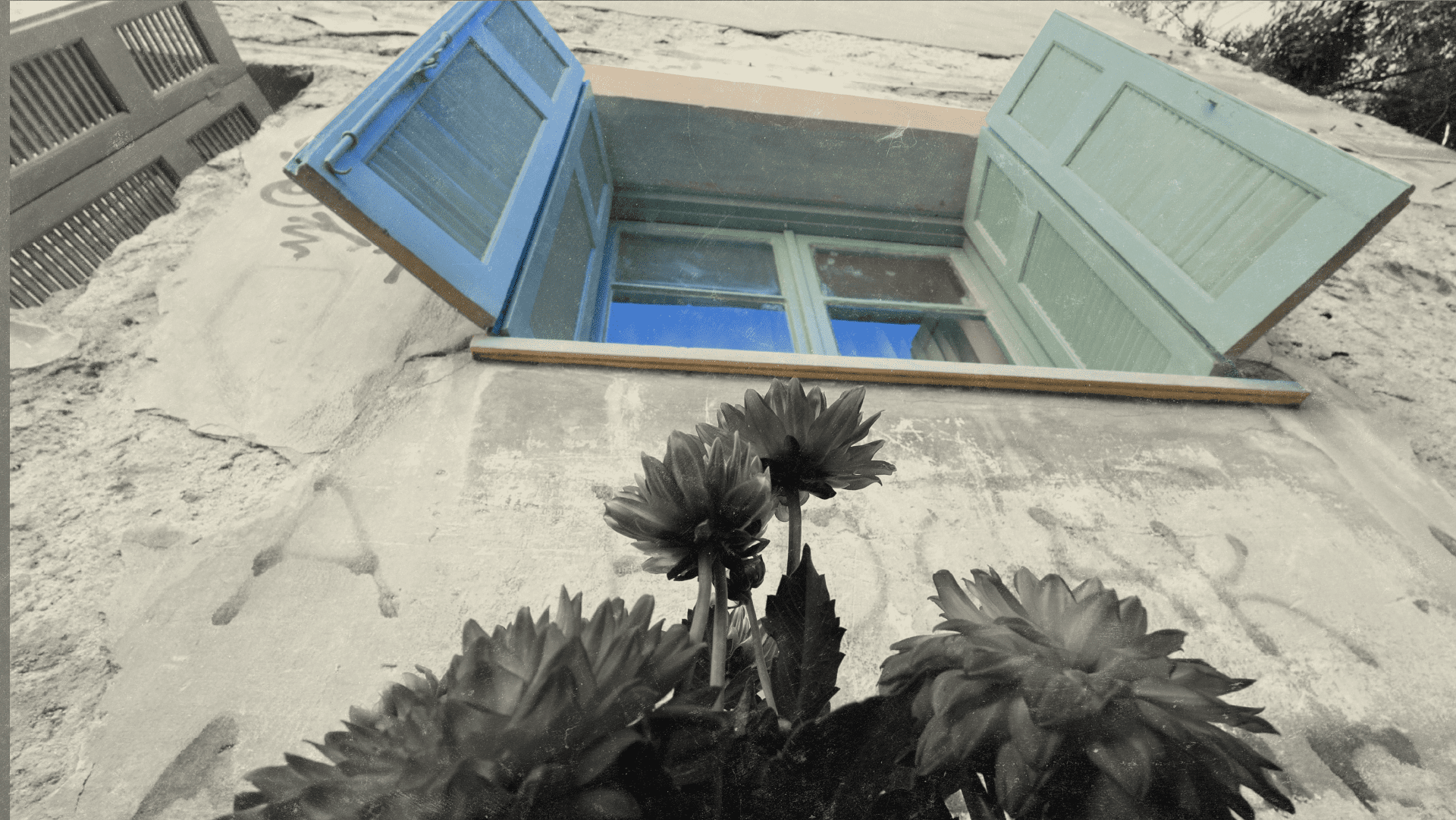
This lasted until 2010, when the Assembly* occupied the 4 apartment blocks, drove out the dealers, and created a neighborhood open to all, based on the principles of “self-organization, collectivity, solidarity, and equality.”

*In 2010, autonomous squatters started the Assembly of Occupied Prosfygika, which evolved into today’s Community of Occupied Prosfygika.

What do “Anaplasi” and the Attica Region say?

(fyiteam)

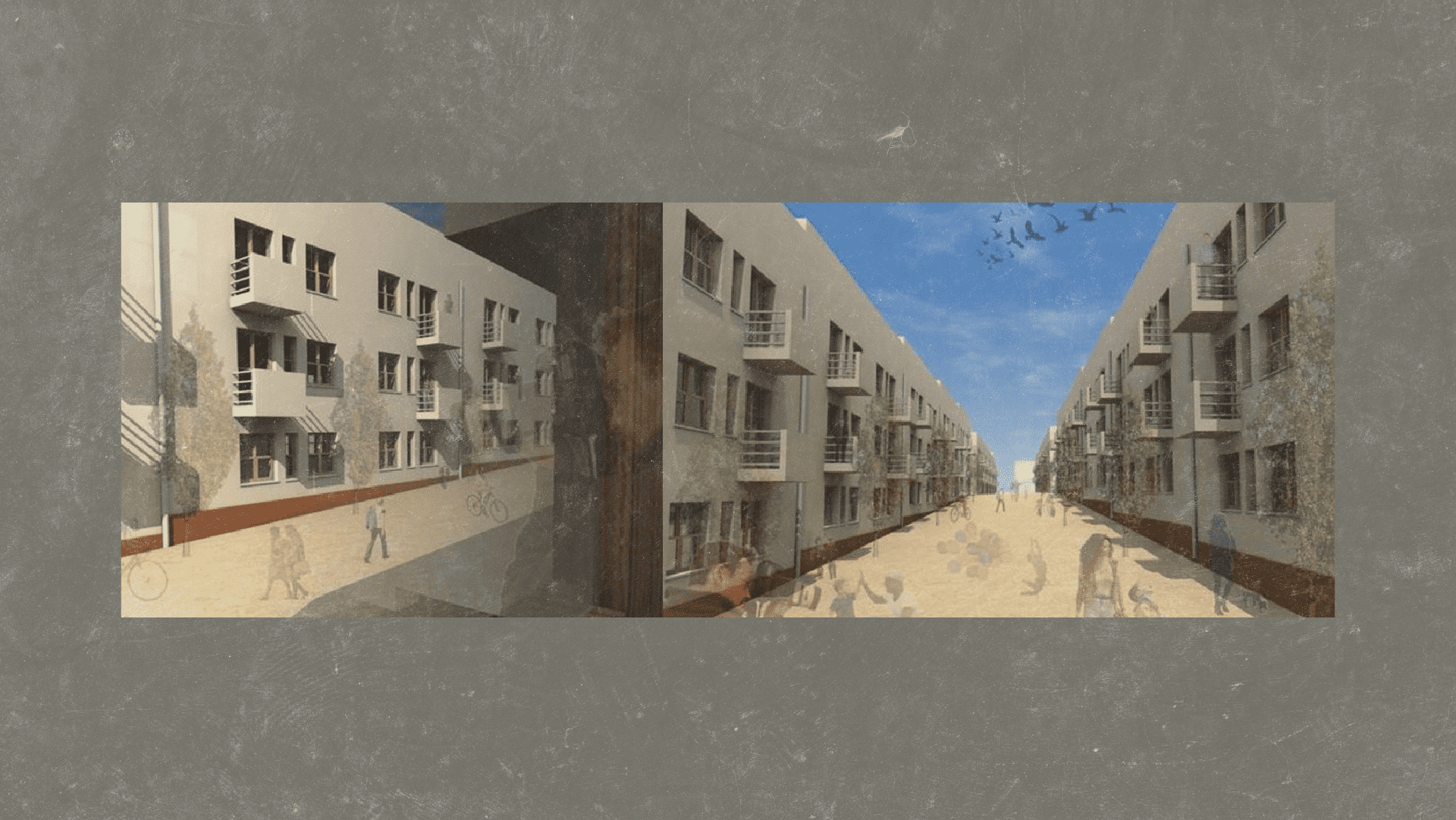
According to “Anaplasi,” the goal is the repair and restoration of all the buildings.

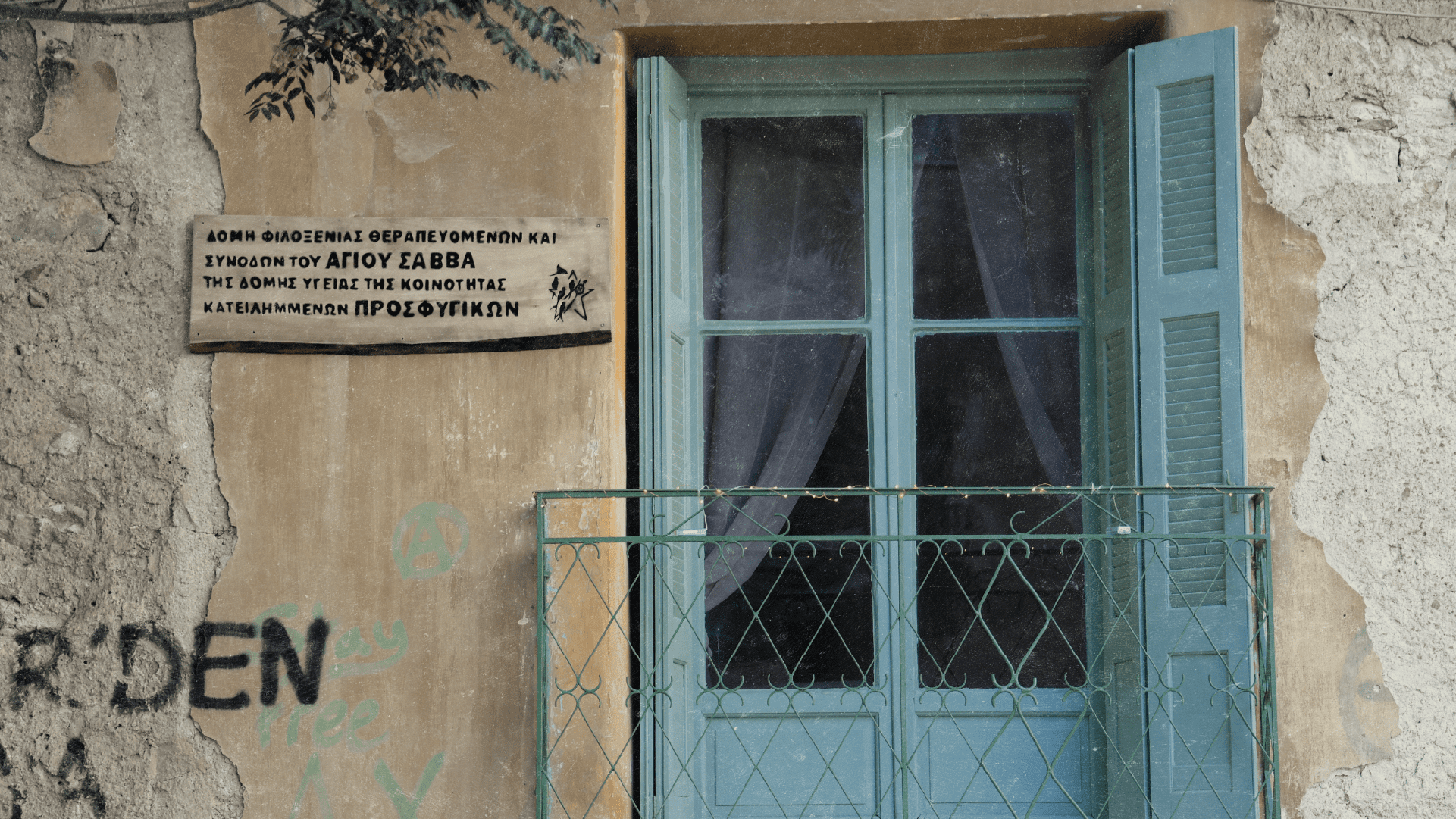
The apartments will be made available for social housing, for rent-subsidy beneficiaries, refugees, top-performing students, doctoral candidates, and others, for companions of patients at Agios Savvas Hospital, and for spaces belonging to a Museum of Asia Minor Memory.

The studies have already been completed and building permits have been issued, while the tender for the project contractor is still pending.

What does the community say?

(fyiteam)

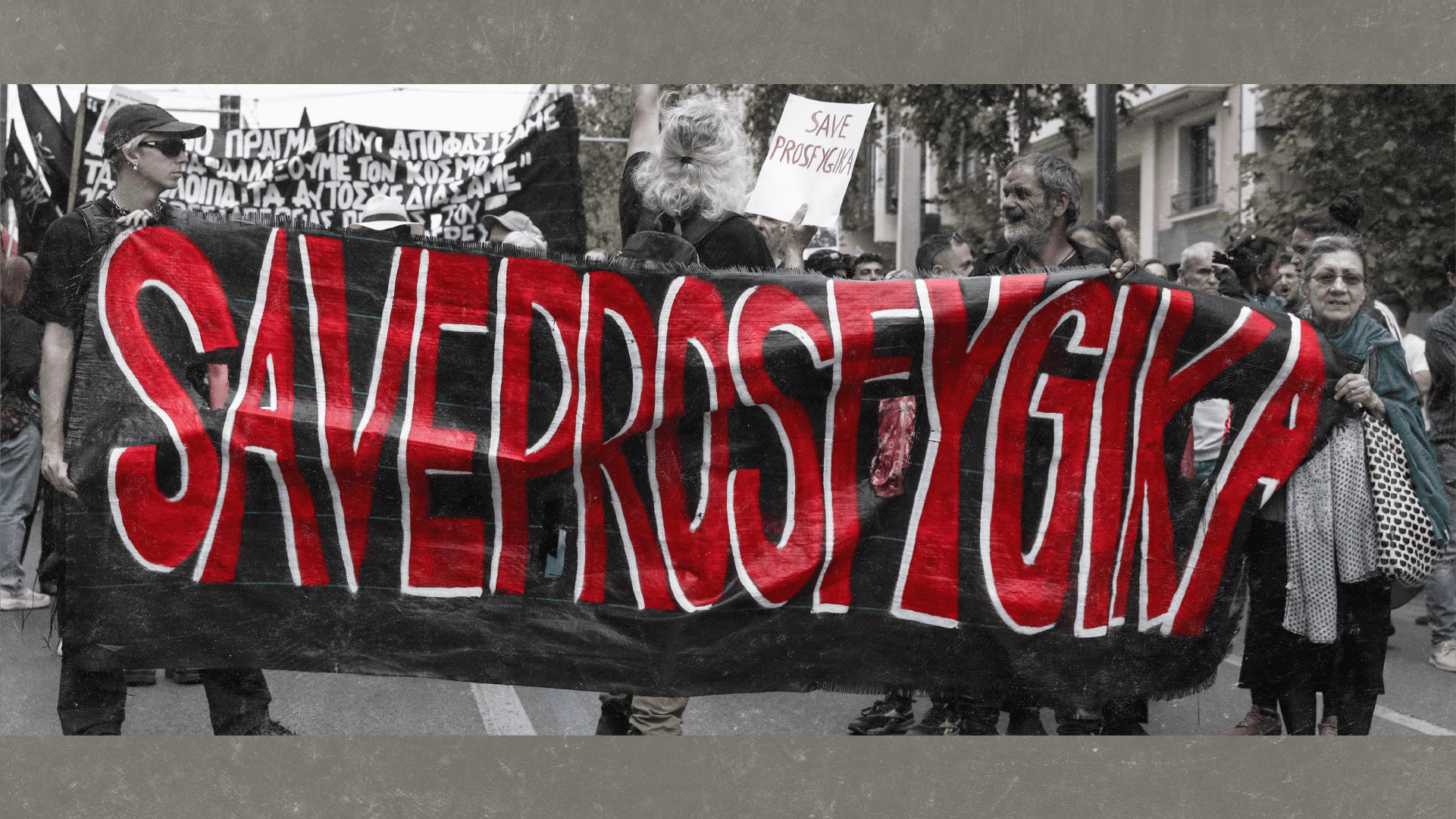
The Prosfygika community speaks of “ambiguities” and “showcase projects” on a “prime plot of land,” which it says aim at their violent displacement, the touristification of the wider area, and an overall increase in the cost of living.

It argues that the Prosfygika are already social housing and that there are already accommodation structures for patients undergoing treatment and their companions, which the community itself has created.

It is asking for the buildings to be granted to the civil nonprofit company that has been established, which could undertake their renovation at its own expense.

Who lives in the Prosfygika now?

(fyiteam)

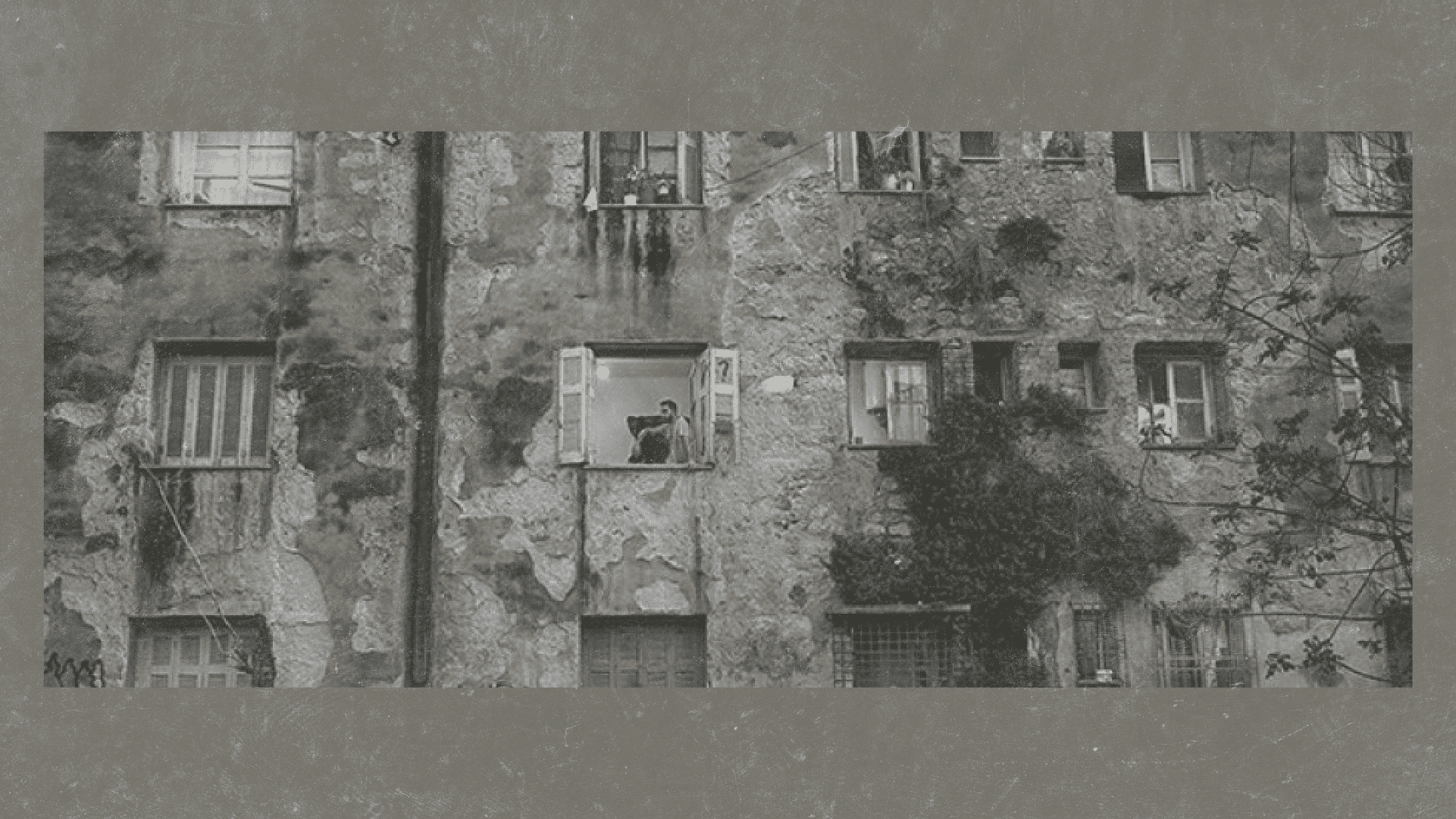
According to the Community, more than 400 people currently live there, both of Greek origin and from 27 different nationalities. Among them are people of many different political ideologies, including anarchists.

For its part, the Region argues that no one can say with certainty who lives there or how many people reside there, and is calling for an official count “through transparent procedures.”

The hunger strike

(fyiteam)

Fearing the immediate evacuation of the Prosfygika following the signing of the contract between the Region and the contractor company, Prosfygika resident Aristotelis Hantzis began a hunger strike on 05.02 with the following demands:

  • Immediate cancellation of the contract.
  • All residents to remain in the Prosfygika.
  • Guarantees that the restoration of the Prosfygika will be carried out by the civil nonprofit company and not by the state.


On 01.05, Suzon Doppagne, also a resident of the Prosfygika, joined the hunger strike.

The City Council resolution and what comes next

(fyiteam)

On 24.06, a resolution by the Municipality of Athens called on the Region to “halt implementation of the contract” and on the Prosfygika community to suspend the hunger strikes.

The community accepted the call, and so the 2 residents ended their hunger strike.

Although the Region has not taken an official position, the Community says that “the basic demands […] were largely met,” but that “the struggle is not over; it will continue.”

Sources

AD(1024x768)