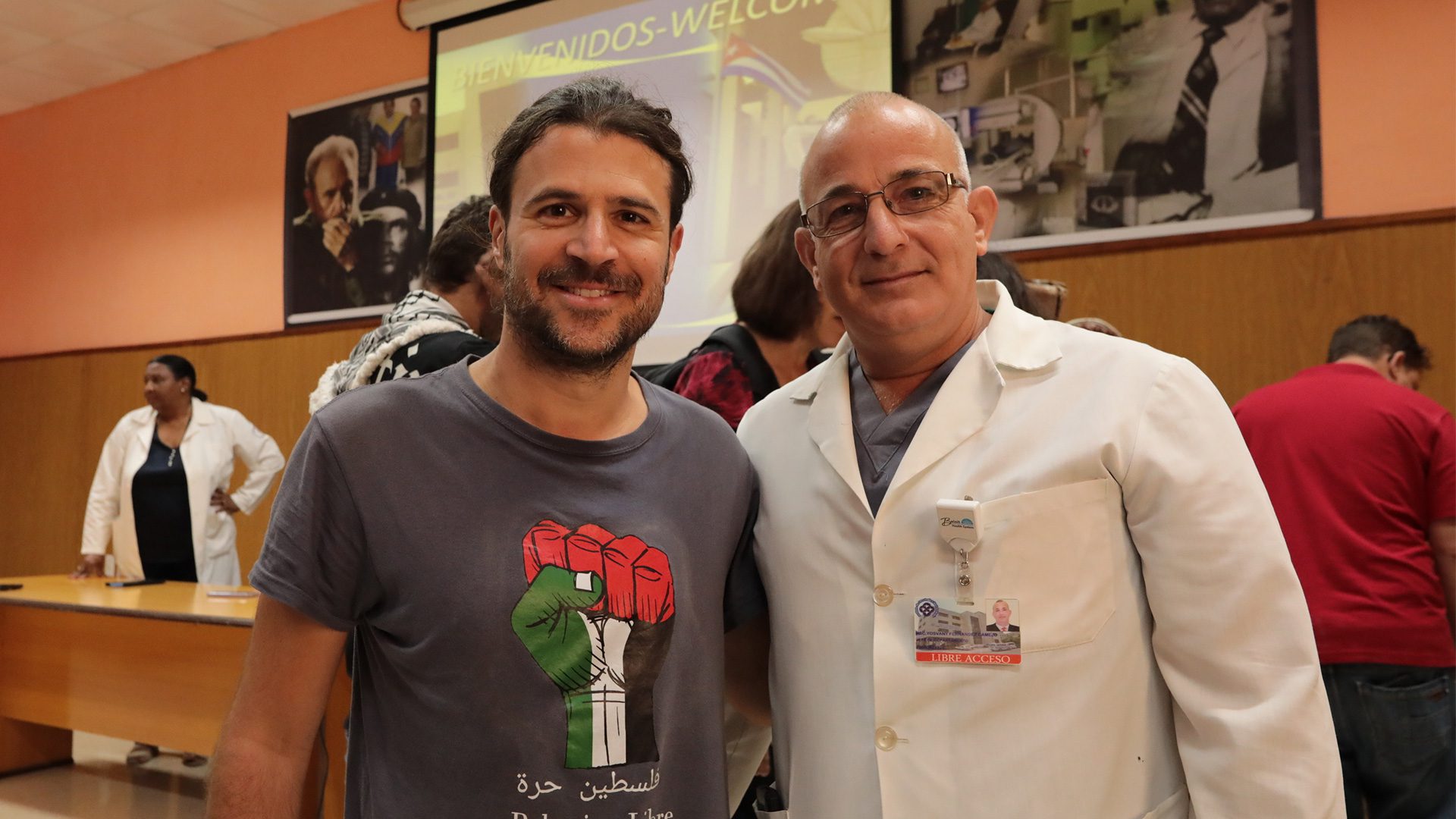
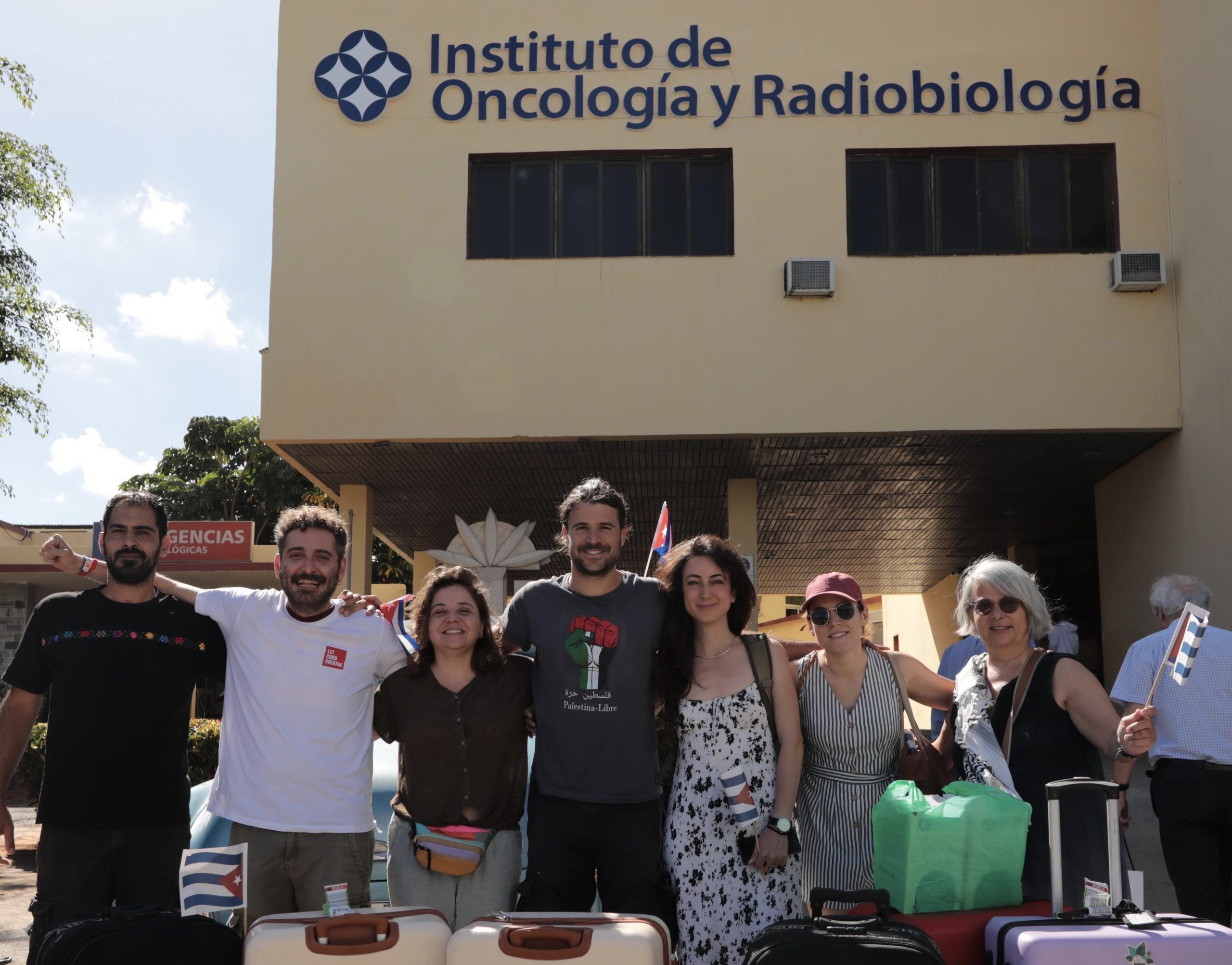
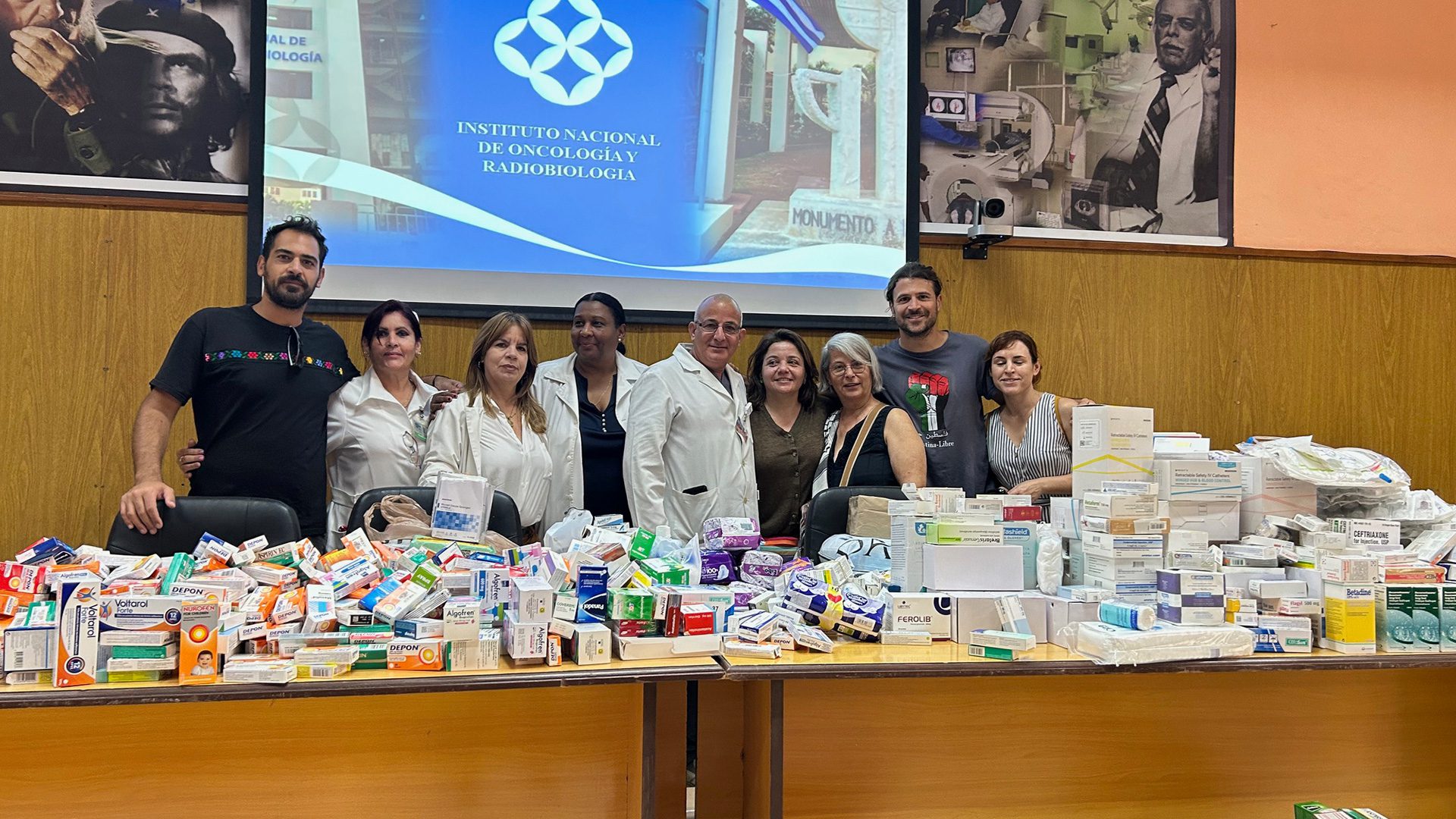
On the day the medical supplies were delivered to Havana’s Oncology Hospital, the Greek delegation spoke directly with doctors, who described a grim situation.
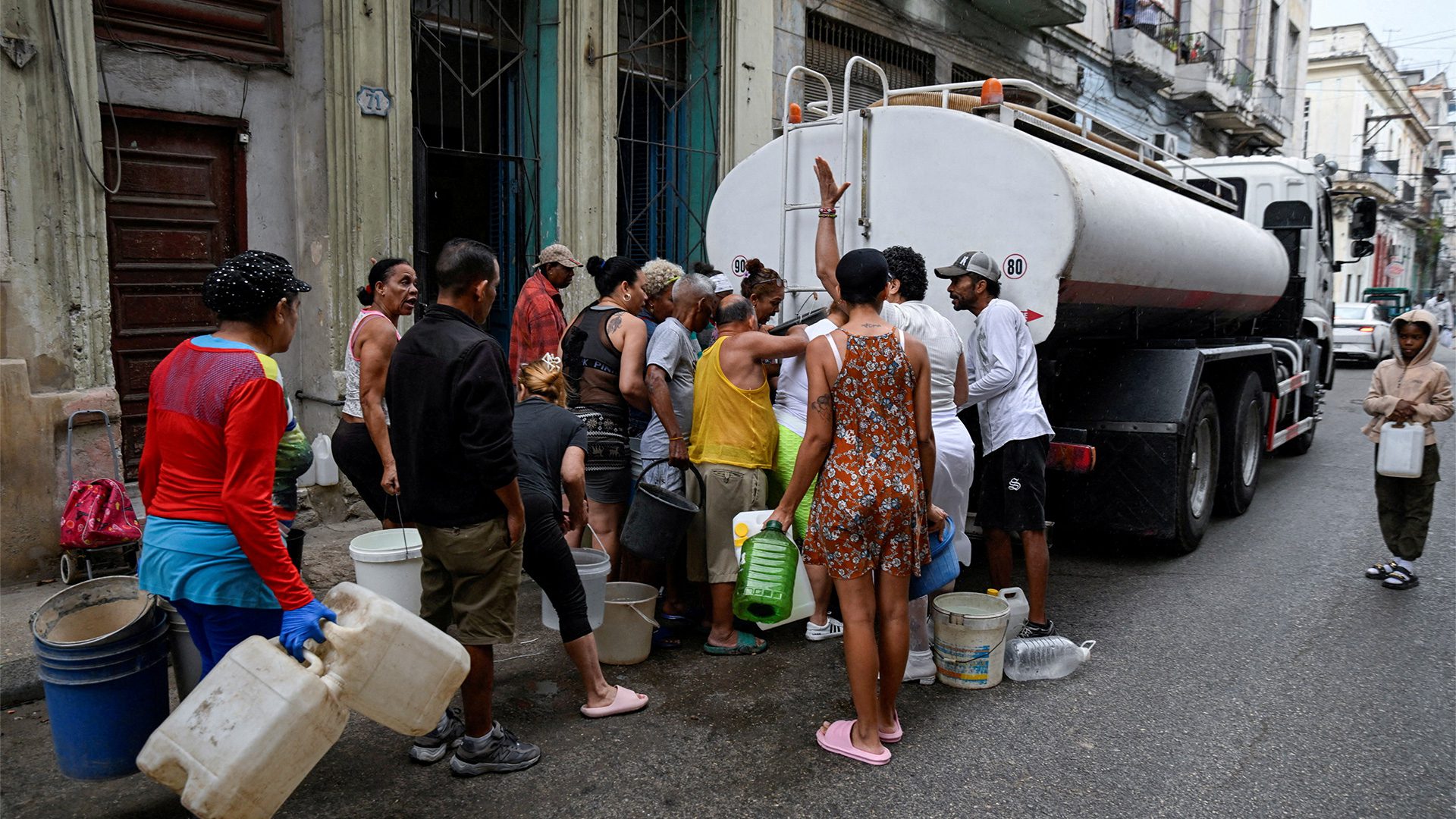
The blockade is dramatically hindering access to essential medicines and medical equipment. Drugs that require refrigeration cannot be properly stored, while treatments for serious illnesses are being interrupted or delayed.
Scheduled surgeries have dropped from 1.2 million annually to around 700,000. Cancer patients are facing disruptions to their treatments, while patients who depend on stable electrical support, such as those with kidney disease, are in an especially difficult position.
According to data from the Cuban government, the total fuel embargo has delayed the vaccination of more than 30,000 children.
The hospital’s director, Dr. Yosvani Fernandez Camejo, identified the lack of spare parts for medical equipment as the most serious issue.
“If something breaks, we can’t simply order it as is done in Europe. It’s much more complicated, and often it has to arrive in travelers’ suitcases,” he said.
“It is truly infuriating to see a country that has developed four vaccines for COVID and one vaccine for lung cancer struggle to find basic supplies for an X-ray,” says I. Apostolopoulos.
Cuba has one of the most developed public healthcare systems and one of the highest doctor-to-population ratios in the world (9 doctors per 1,000 inhabitants), roughly three times that of the United States.
Despite the 60-year embargo imposed by the U.S., Cuba has managed not only to maintain its own national healthcare system at a high level, but also to organize tens of thousands of medical missions around the world, saving millions of lives.
Its doctors have been present in every corner of the globe: from West Africa during the Ebola outbreak, to Italy during the COVID pandemic, and from the Haiti earthquake in January 2010 to the Chile earthquake three months later.
“The country that exports death wants to destroy the country that exports life,” comments I. Apostolopoulos, paraphrasing the words of Fidel Castro.


 What is fyi.news?