(fyiteam)

“Three days without knowing if we were alive”: Global Sumud Flotilla member speaks to fyi.news

Add your Headline Text Here
@fyinews team

27/05/2026

Copy link
fyi:
  1. Phaedra Vokali, a member of the Global Sumud Flotilla who has returned to Greece, describes to Anastasis Koutsogiannis what she experienced following the interception of the solidarity flotilla bound for Gaza.
  2. She speaks of beatings, humiliation, prolonged detention, and a “floating torture center,” while videos of the detention conditions have sparked international reactions, including from some of Israel’s closest allies.

By Anastasis Koutsogiannis

As the majority of participants in the Gaza-bound solidarity flotillas, the Global Sumud Flotilla and the Freedom Flotilla Coalition, have now returned to their home countries, allegations of violent treatment by Israeli authorities continue to mount.

Activists report beatings, the use of electric shocks, and even incidents of sexual abuse.

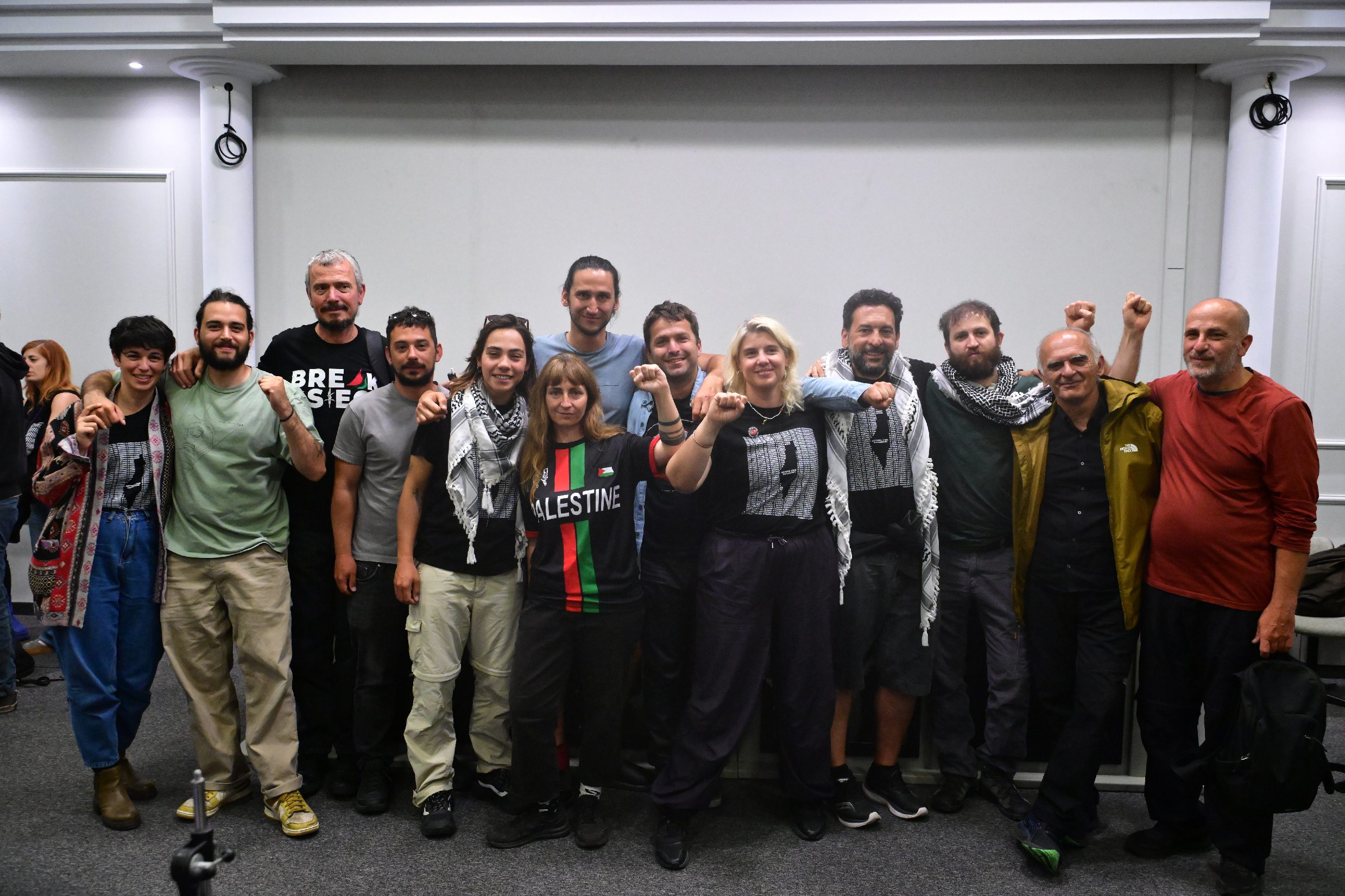
Among the 19 Greek activists who returned to Greece last Friday is Phaedra Vokali, who describes a “floating torture center,” accusing not only the Israeli authorities of mistreatment but also the Greek and Cypriot governments of failing to protect them.

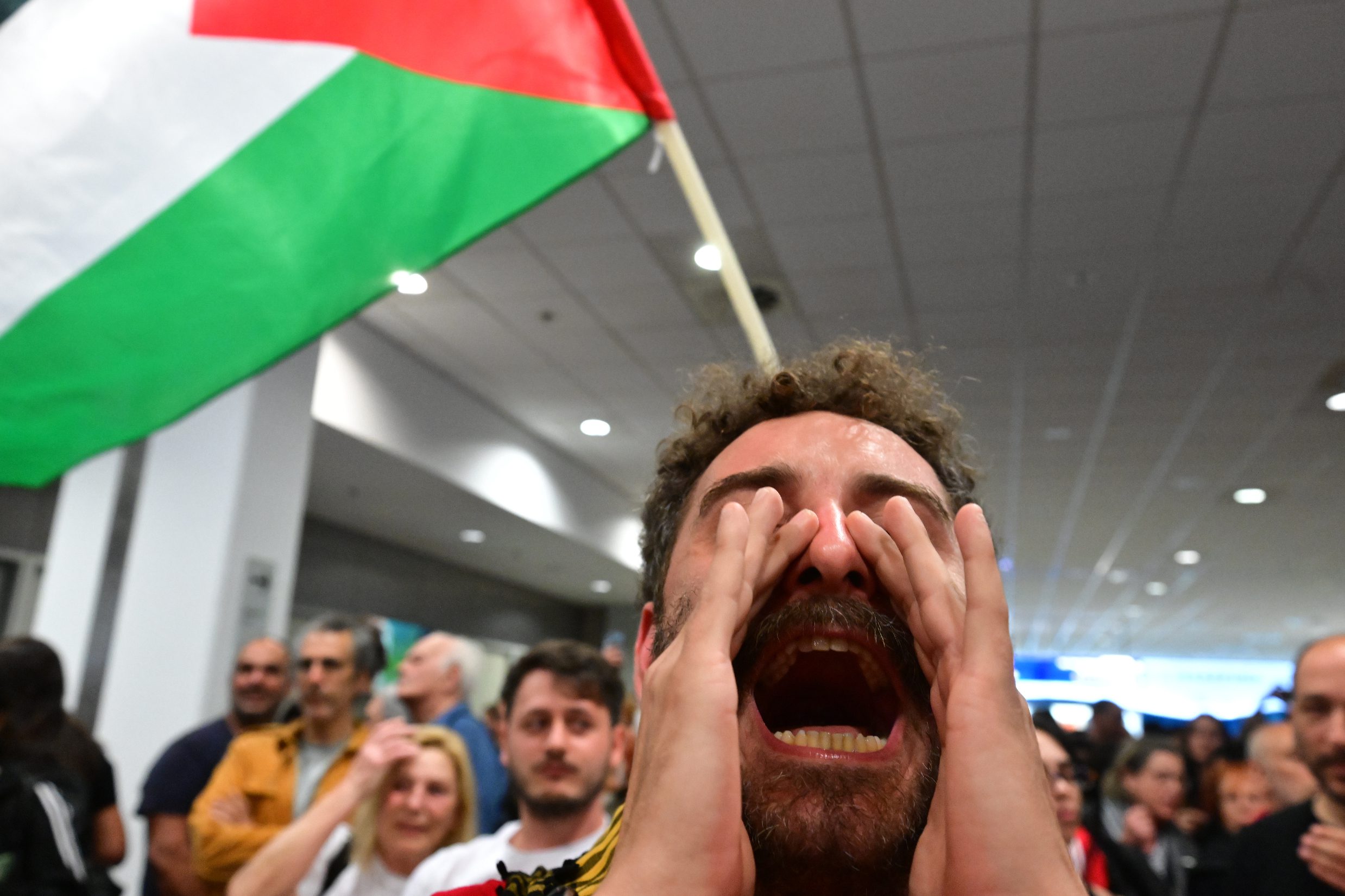
“We saw the inflatable boats coming straight at us”

(EUROKINISSI)

The Israeli raid took place within Cyprus’s Search and Rescue Zone and lasted nearly 30 hours. Phaedra recalls the moment Israeli vessels approached theirs:

“We saw these huge military inflatable boats heading straight toward us. They were all fully equipped, dressed in black, carrying weapons, helmets, and night-vision goggles.”

Crew members were ordered to raise their hands and move to the front of the vessel, despite the fact that any movement at that moment could have endangered their lives.

“After forcing us to jump from our ships onto the inflatables, they placed us on the floor of the boats with our heads down. Their gun barrels were pointed directly at us.”

The activists were then transferred to a warship, where, according to her, the most violent phase of the operation began.

“The moment we stepped onto the ship, they forced us to kneel. Each of us had a personal officer assigned to us. They kept wrenching our arms behind our backs for no reason.”

She says her glasses were broken and that she witnessed another crew member—possibly Arab—being severely beaten.

“Screams coming from inside the containers”

(EUROKINISSI)

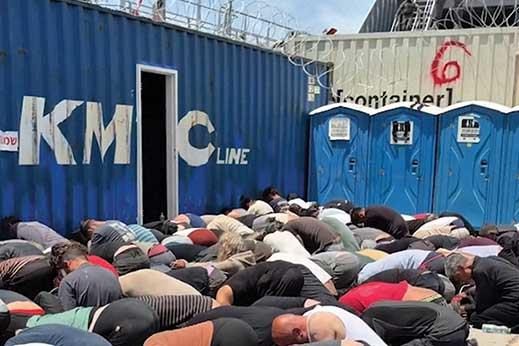
According to her testimony, what followed were repeated humiliating body searches, confiscation of personal belongings and even medication, and transfer to dark containers.

“They hit me on the head, pulled me by the hair and the neck, kicked me in the back, and some of them spat on me. I could hear screams coming from inside the containers. I saw people who had been badly beaten while the Israelis laughed, mocked us, and sang.”

Phaedra says she had decided not to resist, believing that doing so might spare her from further violence.

Other crew members, however, suffered serious injuries.

“Giorgos Tsiris has five broken ribs, a fractured vertebra, a broken nose, and a lung that was nearly punctured.”

Allegations of violent treatment are not limited to Greek testimonies. International media outlets and human rights organizations have documented dozens of reports of beatings, humiliation, and the use of tasers and rubber bullets during the activists’ detention.

The human rights organization Adalah described the incidents as “systematic violations” and “widespread physical and psychological abuse,” while activists from several countries reported cases of sexual abuse.

Israeli authorities, for their part, deny all allegations, calling them “false and baseless.”

Prison, handcuffs, and the journey home

(Φωτοφραφία: Screenshot)

After being transferred to Israel, those arrested were taken to prisons approximately two and a half hours from the port of Ashdod, having already endured stress positions and lengthy interrogations.

“We were handcuffed hand and foot. They made us kneel, stand up, sit down—almost sadistically.”

She describes suffocating conditions, low temperatures, constant humiliation, and sleep deprivation.

Eventually, the members of the Greek delegation were deported via Istanbul, where, she says, the response from Greek authorities was deeply disappointing.

“We were told that the Greek government might be able to put us on a bus to Thessaloniki and then ‘we’ll see what happens from there.’”

The delegation sent a letter to the Greek Ministry of Foreign Affairs requesting meaningful assistance and the safe return of injured participants.

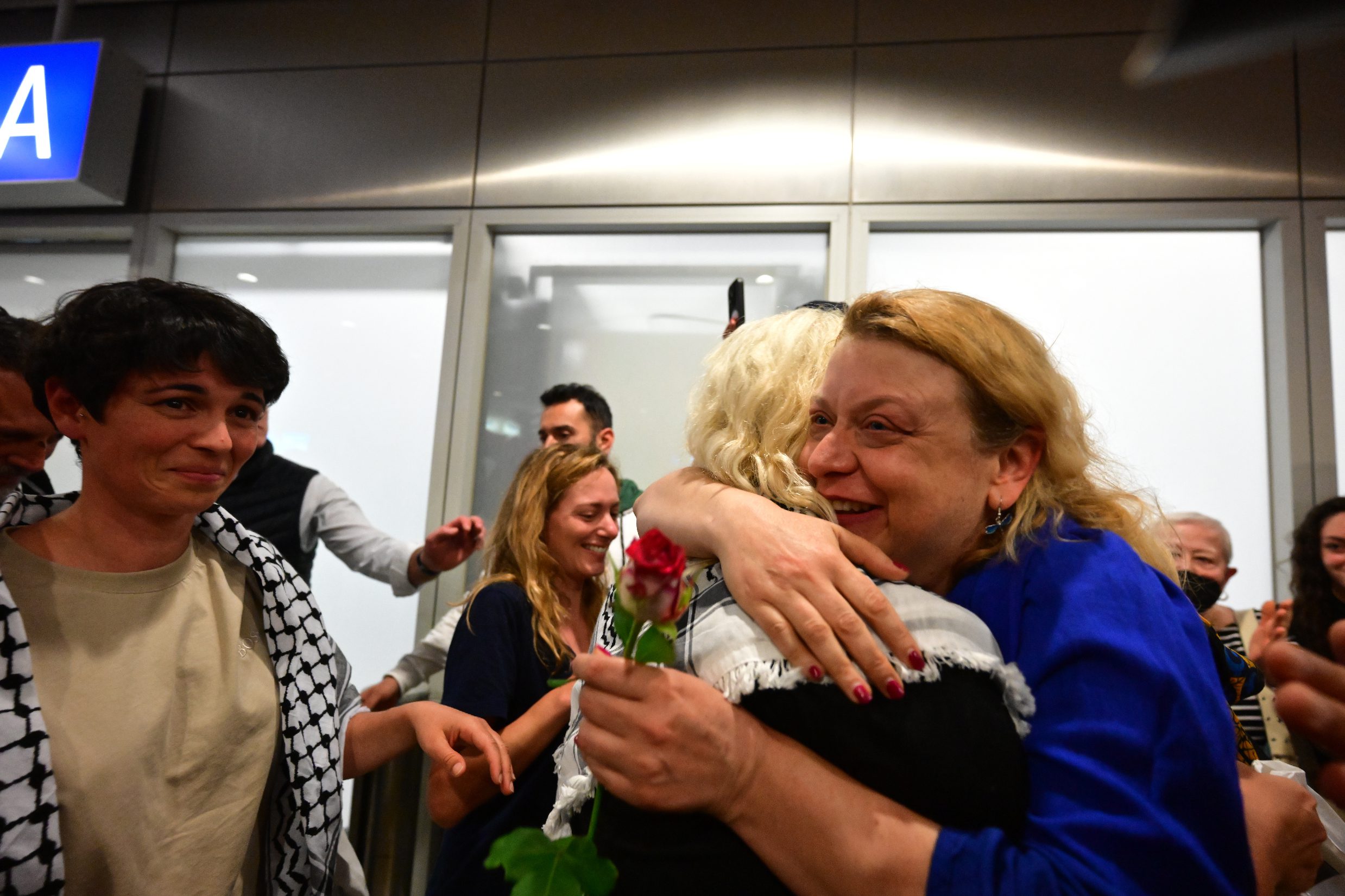
Ultimately, the 19 members of the mission returned by air from Istanbul to Athens International Airport on Friday. Two ambulances were waiting at the airport to receive the injured activists, one of whom remains hospitalized.

“I do not regret it by even a fraction”

(EUROKINISSI)

Despite everything she describes, Phaedra Vokali says she does not regret participating in the Freedom Flotilla “by even a fraction.”

“I would do exactly the same thing again. We must continue fighting to break the illegal blockade so that these people can regain their freedom and take back their lives.”

She also considers the Greek and Cypriot governments partly responsible, arguing that they knew the interceptions took place in areas under their jurisdiction.

“We cannot imagine that Israel operates so far beyond its territorial waters without coordination with Cyprus and Greece.”

Although the Greek Ministry of Foreign Affairs stated that it was in contact with the Greek Embassy in Tel Aviv and would provide assistance to the Greek citizens involved in the mission, the activists themselves consider that support inadequate.

“Three full days passed without our relatives knowing whether we were alive or dead,” says Phaedra. “When we finally arrived, we saw how much they had aged from the anxiety.”

AD(1024x768)