So, we learned the term femicide, understood it, assimilated it, discussed it on televised and non-televised panels, and shared it on our social media posts many times.
Excellent, good for us, and so what?
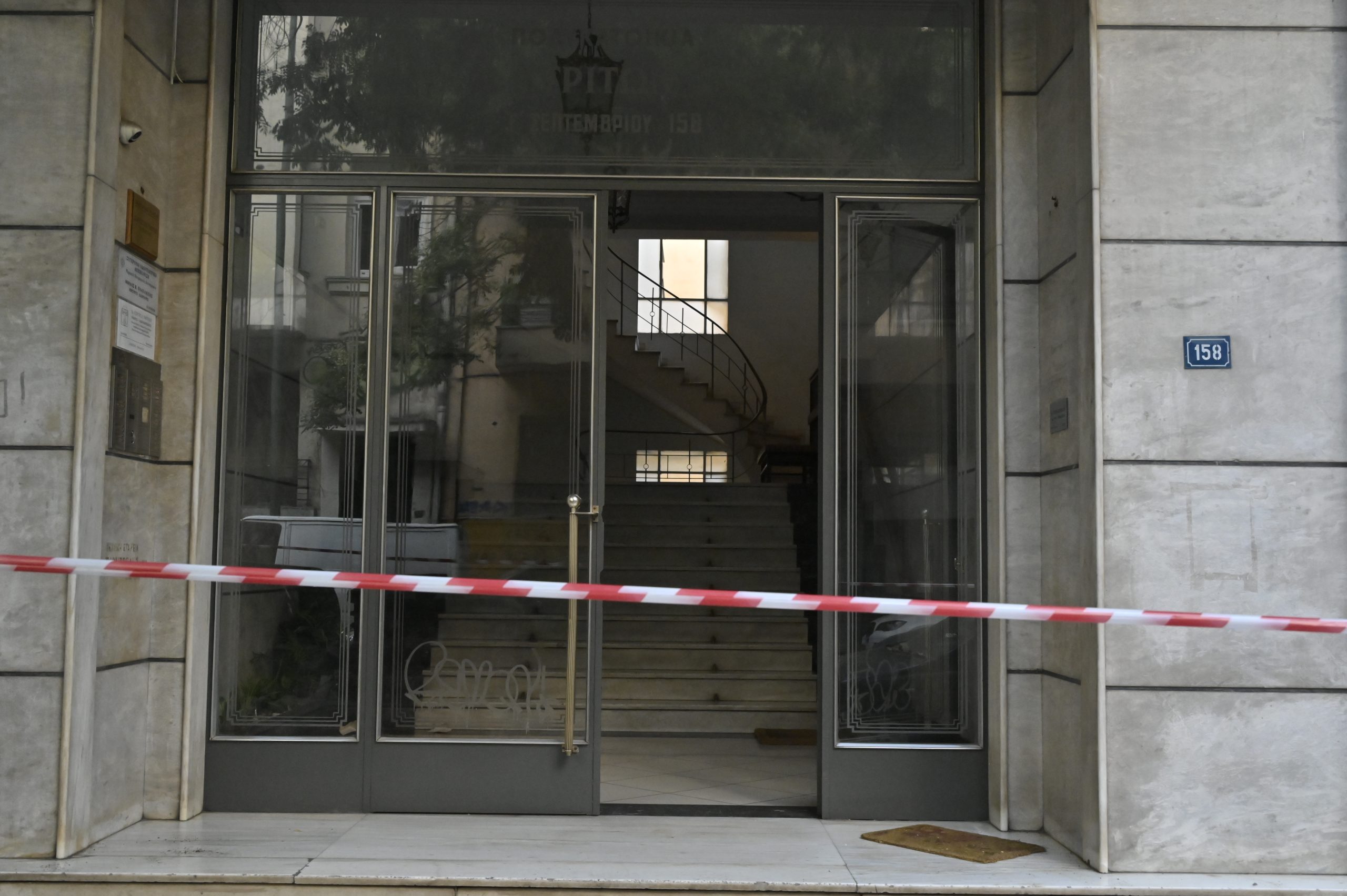
We persist in these efforts until we wake up to the news of yet another femicide, this time occurring literally inside the police station itself, as tragically happened last night in Agioi Anargyroi. The victim, who had correctly assessed the risk, was on the phone to the police emergency hotline when the incident took place.
When we urge a woman to seek help from the police, when she fears she may become the next victim, failure is not an option. It simply cannot be.
We failed to heed the warning signs of the femicide in Salamina last December when a 43-year-old woman, severely beaten, sought refuge at the Police Department to file a complaint, only to be advised to download a panic button on her mobile phone—a task she didn’t have time to complete before her partner eventually killed her. This tragic incident highlighted glaring gaps in knowledge, skills, and collaboration among the authorities.
Because when we urge a woman to seek help from the police when she fears she might be “next” on the list of femicides, when we assure her that the state, with its duty to protect her life above all else, will provide attention and care, failure is not an option.
Let’s admit that we have failed. Despite our best intentions, the plans we implemented do not function as intended in practice, and we lack the trained personnel to execute them.
I keep reading about the 73 Domestic Violence Services, the 18 Domestic Violence Offices, the new accommodation structures for victims, and the campaigns featuring SOS lines at the metro stations.
Not all efforts made by public and private entities to inform and prevent femicides are nullified, but THEY ARE INADEQUATE. The message is clear: we must acknowledge that we have failed. Despite being designed correctly, these measures must function more effectively in practice, and we need suitably trained staff to implement them.
In yesterday’s femicide, as in many cases, the victim had previously filed complaints against her perpetrator for gender-based violence, while others had sought help from authorities after experiencing violence in the past. Is anyone analyzing this data to ensure timely intervention?
Since 2015, the streets of Argentina have regularly been filled with thousands of protesters peacefully advocating for prevention measures. Here, we merely fill social media timelines.
By the end of February 2024, Greece had already witnessed five femicides, as reported by the Mediterranean Institute of Investigative Journalism. The institute, which conducts in-depth studies on gender-based violence, has observed a rise in all forms of violence against women in the country.
No, we are not exactly on par with Argentina, where, since the beginning of the year, the number of femicides has reached 61. However, since 2015 and the establishment of the “Ni Una Menos” (Not One [Woman] Less) movement, the streets there are filled with thousands of protesters every week, peacefully demanding better preventative measures. In Greece, all that’s filled with thousands (of opinions) is our social media timelines.
But then again, what can we do, you ask?
We can educate ourselves thoroughly about the phenomenon, focusing not only on the gruesome details of the murders but also on the research and proposals put forth by reputable organizations and centers dedicated to addressing gender violence. Let’s begin by understanding what issues to protest about and what demands to make, starting with online platforms and then taking to the streets.


 What is fyi.news?